Introduction
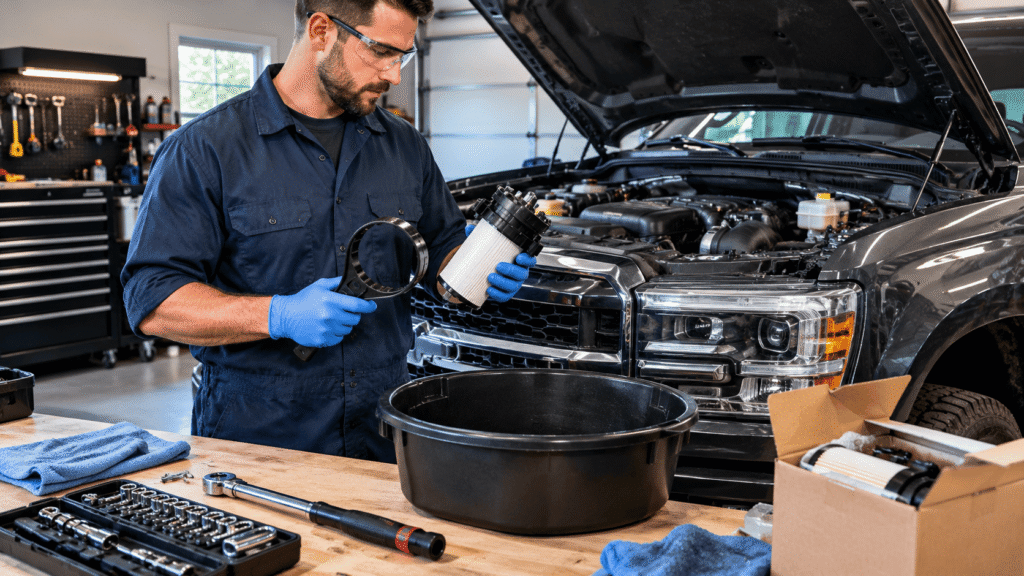
You pop the hood, find a filter housing that looks nothing like the one in the video, and realize your socket set will not fit. Sound familiar? Changing a diesel truck’s fuel filter is generally a simple task, but the wrong equipment can damage the filter housing, wear down the cap’s edges, or turn a quick maintenance job into a lengthy repair.
This guide covers both parts of the process, helping you complete the job from start to finish. First, you’ll find a clear, step-by-step walkthrough. Then, we’ll cover a short list of useful tools and replacement parts, including their pros and cons. If you also need help choosing the right filtration system, check out our guide to diesel fuel water separators for additional information on separating water from diesel fuel.
Warning: Every diesel truck is a little different. Your owner’s manual and service manual always come first. If this guide and your manual disagree, follow the manual.
Quick Picks
- Best filter kit to replace parts: Product 1, the Fleece Performance filter kit (confirm fitment first).
- Best for Ford 6.0L and 7.3L Power Stroke: Product 5, the 6760 filter wrench.
- Best for Davco-style housings on semis: Product 3, the 6″ and 8″ collar wrench set.
- Best multi-size wrench set: Product 4, the 4-piece Lanties set.
- Best for bulk tank and transfer pump filtering: Product 2, the DICMIC 496 assembly. It is not a swap-in for your truck’s onboard filter.
| Image | Product | Detail | Price |
|---|---|---|---|
 | Fleece Performance FPE Fuel Filter Kit |
| Check Price on Amazon |
 | DICMIC 496 Fuel Tank Filter Assembly |
| Check Price on Amazon |
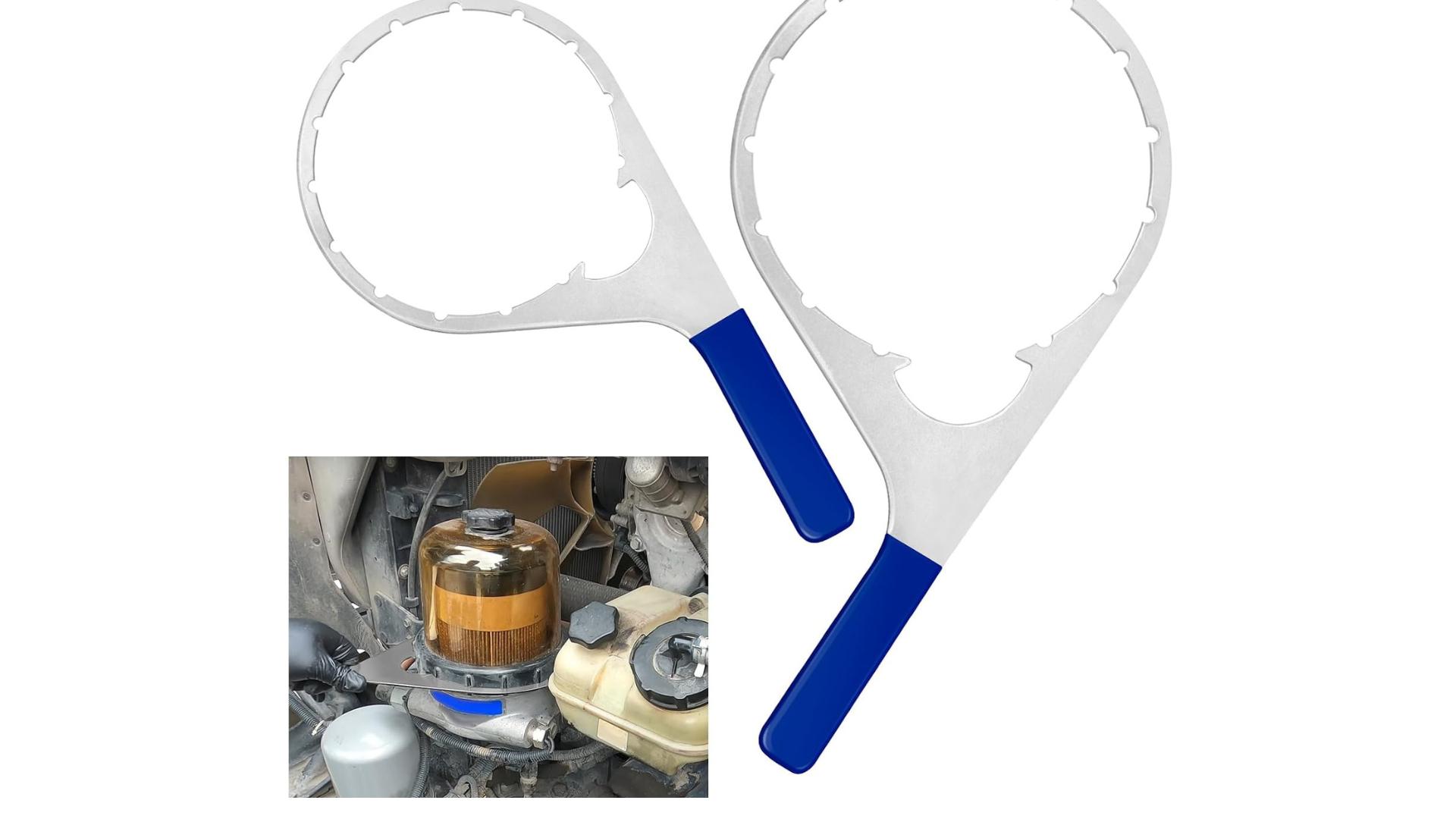 | ERETOW 6″ and 8″ Davco Collar Wrench |
| Check Price on Amazon |
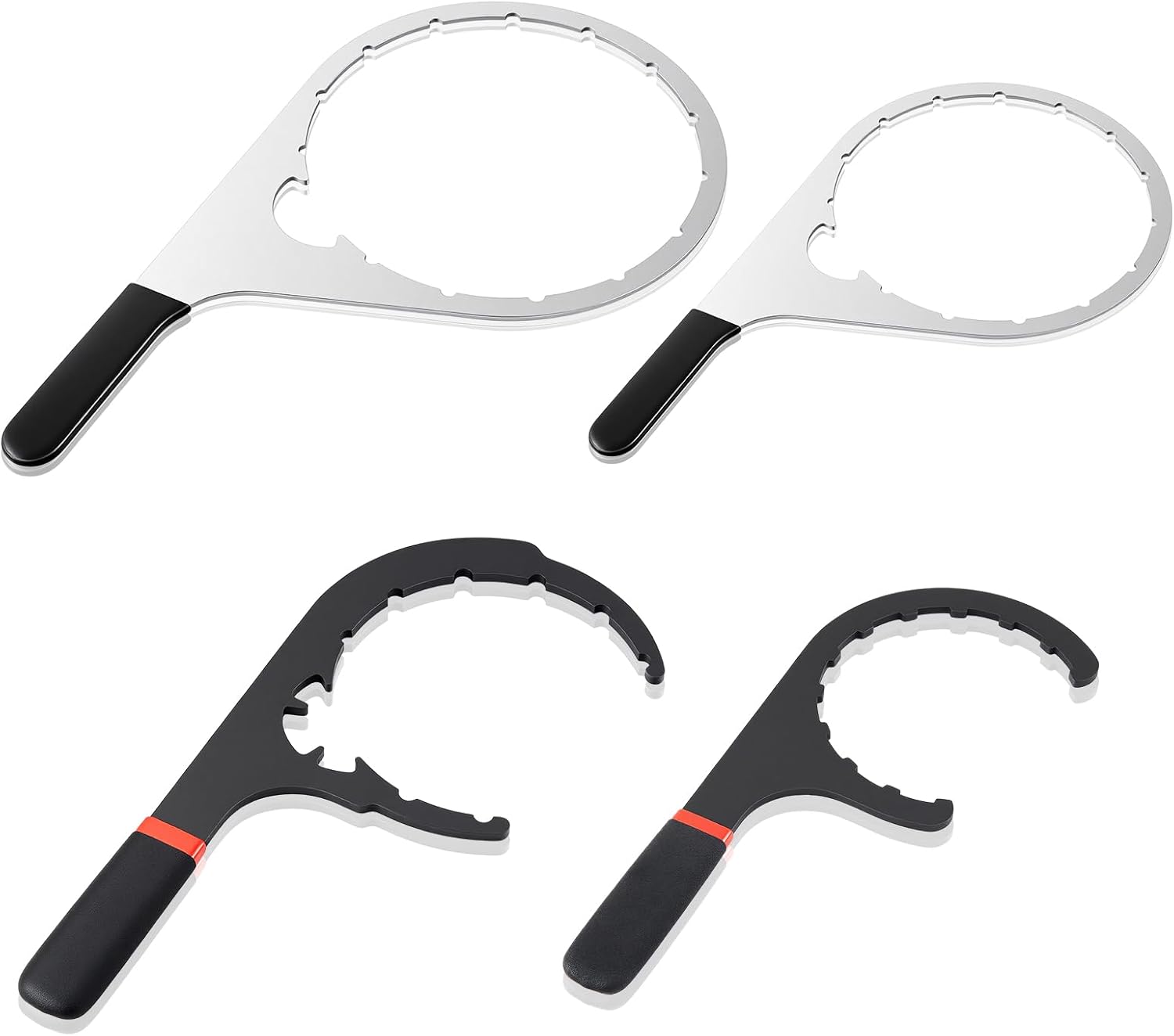 | Lanties 4-Piece Fuel Filter Wrench Set |
| Check Price on Amazon |
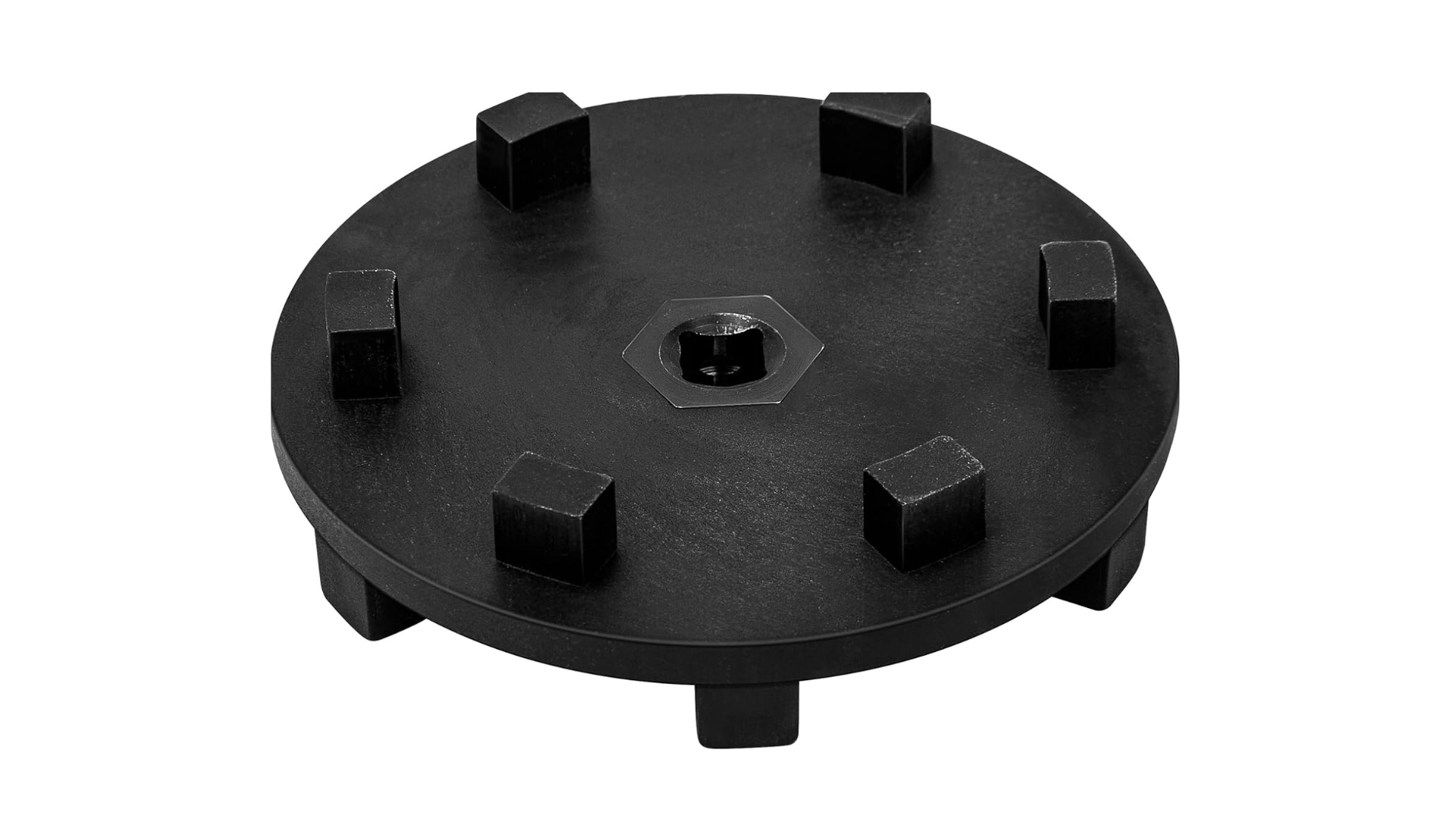 | ERETOW 6760 Filter Wrench (3/8″ drive) |
| Check Price on Amazon |
How We Choose These Products
Our team did not physically test these products.
Is this conversation helpful so far? This article is built from research: each Amazon listing’s specs, stated compatibility, materials, and the common themes in customer feedback.
We looked at four things. First, does the product solve a real step in a diesel fuel filter change? Second, is the fitment clearly stated? Third, is the build quality described in a way that makes sense for the job? Fourth, what are the honest drawbacks? Prices and ratings change often, so we left them out. Check the listing for the latest details.
What a Diesel Fuel Filter Does (and Why It Needs Changing)
A fuel filter catches dirt, rust, and other debris before it reaches your pump and injectors. On a diesel, it also helps separate water from the fuel. Water and grit are hard on high-pressure injection parts, and those parts are expensive.
Many diesel trucks use two filters. A primary filter sits between the tank and the lift pump, often along the frame rail. A secondary filter sits closer to the engine and gives the fuel a final clean. Some trucks combine these into one housing. Your manual will show you which setup you have.
Today’s ultra-low sulfur diesel is cleaner on paper, as explained in the EPA’s diesel fuel standards overview. Tanks, station storage, and condensation can still put water and grit into your fuel. A fresh filter is cheap protection. The U.S. Department of Energy’s diesel vehicle page is a handy read if you want the bigger picture on how these engines work.
When Should You Change It?
Start with your manual. Intervals vary by engine and by how you drive. Many diesel trucks fall somewhere in the 10,000 to 20,000-mile range, and towing, dusty roads, or questionable fuel can shorten that. Add it to your diesel truck maintenance schedule so it does not slip.
Replace it earlier than scheduled if you observe any of the following signs:
Hard starting or long cranking
Power loss when towing or climbing hills
Rough idle, surging, or stalling
A “water in fuel” warning light
Black smoke or a check engine light
Not sure what you are seeing? Our guide to the signs of a bad diesel fuel filter walks through each symptom.
Tools and Supplies You Need
- The correct replacement filter, with new O-rings and seals
- A drain pan and shop rags
- Safety glasses and fuel-resistant gloves
- Socket set, ratchet, and a torque wrench
- A filter or cap wrench that matches your housing (see our picks below)
- Use fresh, clean diesel to prime the filter before installation, provided the filter design permits it.
- A fire extinguisher nearby
Want a full rundown on wrenches? See our list of the best fuel filter wrenches.
How to Change Fuel Filter on Diesel Truck: Step-by-Step
This is a general walkthrough. Housings differ, so match each step to your manual.
Safety first: Work outside or in a well-ventilated space. Keep sparks, flames, and cigarettes far away. Wear eye protection and gloves. The OSHA page on personal protective equipment explains why the right gear matters. Good mechanic gloves also keep diesel off your skin.
Step 1: Park, cool down, and prep
Make sure the vehicle is parked on a flat surface, engage the parking brake, and turn off the engine before starting work. Let it cool. If your manual says to disconnect the battery, do that now. If you need to get under the truck, lift it only with a proper jack and support it on jack stands. This guide to safely jacking up a vehicle covers the basics, and a set of quality jack stands is worth the money.
Step 2: Find your filters
Look for the primary filter along the frame rail and the secondary filter in the engine bay. Check whether you have a spin-on canister, a cartridge element inside a housing, or a collar-style water separator. The type decides which wrench you need.
Step 3: Set up the drain pan and drain the housing
Put a pan under the filter. Many housings have a drain plug or valve. Open it and let the fuel and water drain out. A wide fluid drain pan keeps this step clean.
Step 4: Loosen the cap or collar
Use the right wrench for your housing. A wrong-size tool is the fastest way to crack a plastic cap or chew up a collar. If it feels stuck, stop and check that you are turning the right way and using the right tool.
Step 5: Remove the old filter
Lift the cap slowly with the old element still inside. Hold it for a moment so the fuel can drain back. Put the used filter into a drain pan or seal it inside a bag for safe disposal.
Step 6: Clean and swap the O-ring
Wipe the cap and the sealing surface on the housing. Remove the old O-ring with a plastic pick. Seat the new one fully in the groove, all the way around. A badly seated O-ring is one of the most common causes of a leak.
Step 7: Install the new filter
Drop in the new element or spin on the new canister. For spin-on types, lightly coat the gasket with clean fuel first. Hand-tighten, then finish to the torque your manual lists. Do not guess. Over-tightening and under-tightening both cause leaks, and over-tightening can crack a cap.
Step 8: Prime and bleed the system
Air trapped in the fuel lines may prevent the engine from starting properly. Use your truck’s hand primer or the ignition-on cycle your manual describes. This guide explains the basic process of priming a diesel fuel system and removing trapped air. For a deeper look, read how to prime a diesel fuel system.
Step 9: Start the Engine and Inspect for Leaks
Start the engine and let it idle. Look closely at every cap, drain, and fitting. If you see wet spots, shut the engine off and fix the leak before driving.
Step 10: Safely Discard the Used Fuel Filter
Used filters and fuel should not go in the trash or down a drain. Check the EPA’s household hazardous waste guidance, and use Earth911’s recycling search to find a nearby drop-off. Many auto parts stores also accept used oil and filters, but call ahead.
Pro tip: Take a phone photo of the housing before you take it apart. It makes reassembly easier, especially if your truck has a heater element or a water-in-fuel sensor to move to the new filter.
Detailed Reviews: Tools and Parts Worth Considering
Be careful with fitment. These products fit different housings and trucks. Read the compatibility notes in each listing before you buy.
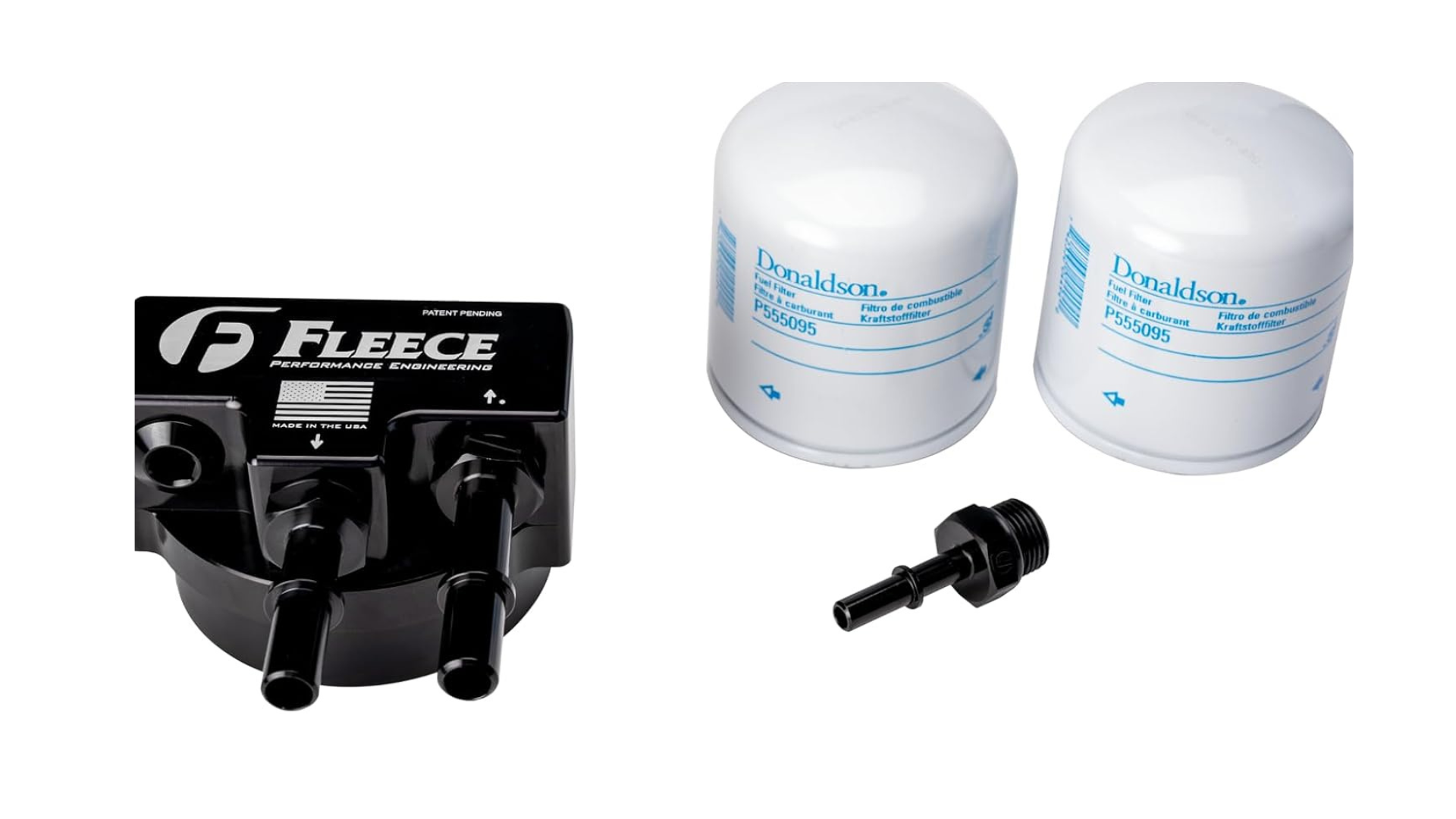
1. Fleece Performance FPE-FMC-UHFA-1123 FPE Fuel Filter Kits
This is the only actual filter kit in our list. If your goal is fresh filtering parts in one box, this is the closest match to the “replace the filter” part of the job. It comes from Fleece Performance Engineering, a brand known in the diesel truck community, and the listing calls it a replacement part.
Fleece Performance FPE-FMC-UHFA-1123 FPE Fuel Filter Kits
- 1. Heavy-Duty Billet Aluminum Cap – Built with durable anodized billet aluminum for improved strength and reliability.
- 2. Direct Factory Replacement – Designed to fit the original under-hood fuel filter location on compatible Ford trucks.
- 4. Replaceable Donaldson Fuel Filter – Uses a serviceable spin-on filter for straightforward routine maintenance.
- 5. Extra Replacement Filter Included – Comes with an additional Donaldson fuel filter for future servicing.
Why You’ll Like It:
Kit format keeps the parts you need together.
Listed as a replacement-grade part
Brand focused on diesel trucks.
Pros
- One purchase covers the main filter parts.
- Good fit for owners who want a ready-to-go kit
- Comes from a diesel-focused company
- Lets you pair it with a wrench from this list
Cons
- Fitment is specific, so you must confirm it matches your truck’s year and engine.
- It is not a tool, so you still need a wrench, drain pan, and gloves.
Best for: Owners whose truck matches the kit’s listed fitment and who want one box of filter parts.
What buyers commonly appreciate: Many buyers mention that the kit format is convenient and that the brand is trusted in the diesel community.
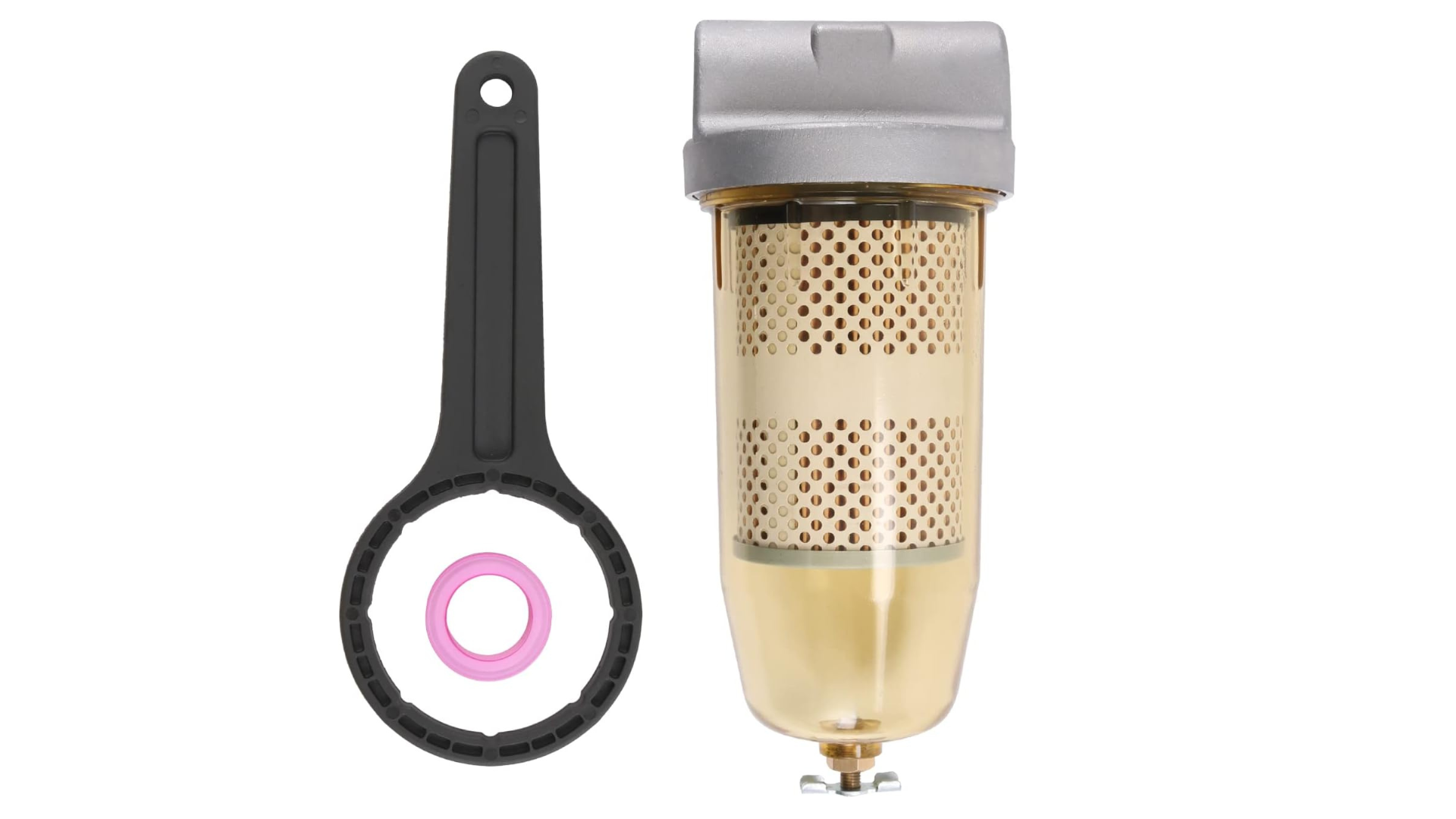
2.496 Fuel Tank Filter Kit with Wrench – 30 Micron
Here is a product people often mix up. This is a filter for a fuel tank or transfer pump setup, not a replacement for the filter on your truck’s engine. If you fill from a farm tank or shop tank, though, it protects the fuel before it ever reaches your truck.
496 Fuel Tank Filter Kit with Wrench – 30 Micron
- 30-Micron Filtration
- 25 GPM Flow Rate
- 150 PSI Pressure Rating
- Water Separation for Gasoline and Diesel
- Includes Filter Wrench and 1-Inch NPT Top Cap
Why You’ll Like It:
Catches rust, sand, dirt, and water at the source
Clear bowl shows fuel flow, and a drain valve removes water.
Handles diesel, gasoline, and fuel up to 20% biodiesel, per the listing. The U.S. Department of Energy’s biodiesel blends page explains what blend labels mean.
Pros
- 30-micron filtration, per the listing
- 1″ NPT top cap fittings
- Rated for up to 25 GPM max flow and 150 PSI
- Clear bowl makes it easy to spot slow flow.
Cons
- The listing notes gravity flow is only about 5 GPM
- You need plumbing and fittings to install it properly.
Best for: Farms, shops, and anyone who stores and pumps their own diesel.
What buyers commonly appreciate: Many buyers mention that the clear bowl is useful for spotting water and that the setup is straightforward once fittings are in place.traightforward once fittings are in place.
3. 6-Inch and 8-Inch Collar and Vent Cap Wrench for DAVCO Fuel-Water Separators
6-Inch and 8-Inch Collar and Vent Cap Wrench for DAVCO Fuel-Water Separators
- 6-Inch and 8-Inch Wrench Sizes
- Designed for DAVCO Fuel-Water Separators
- Fits Compatible Vent Caps
- Helps Remove and Install Retaining Rings
- Suitable for Filter Cartridge Maintenance
For trucks equipped with a DAVCO-style fuel-water separator, a standard socket usually isn’t suitable for the job. This two-piece set from ERETOW grips the collar and vent cap so you can break them loose without hammering on them. It is aimed at semi-trucks and heavy-duty diesels.
Why You’ll Like It:
Two sizes in one set
Rubber-coated handles for a better grip.
Listed for Detroit DD13, DD15, and DD16, plus Cummins and Navistar engines
Pros
- 6″ and 8″ sizes cover common Davco collars and caps
- Galvanized iron resists rust, per the listing.
- Non-slip handle reduces hand fatigue.
- Simple clamp-and-turn operation
Cons
- Check your collar diameter before ordering.
- Designed for Davco-style housings, so it will not help with every pickup’s setup.
Best for: Semi and heavy-duty owners with Davco Fuel Pro or similar separators.
What buyers commonly appreciate: Many buyers mention that it makes a stuck collar much easier to remove and that the grip feels solid.
4. 4 Pcs Fuel Filter Wrench 4.6” & 5” & 6” & 8” Black
4 Pcs Fuel Filter Wrench 4.6” & 5” & 6” & 8” Black
- Set of 4 Fuel Filter Wrenches
- Four Sizes: 4.6″, 5″, 6″, and 8″
- Durable Black Finish
- Designed for Fuel Filter Maintenance
- Multiple Sizes for Different Applications
Not sure which size you need? This Lanties set covers four. It is a smart pick if you work on more than one truck, or if you want to avoid a second trip to the parts store after you open the hood.
Why You’ll Like It:
Four sizes cover many housings.
Steel build for stubborn parts
Rubberized grip for control in tight spaces
Pros
- One set instead of buying wrenches one by one
- Its plated surface helps protect against rust and corrosion.
- Good value if you use several sizes
Cons
- Claw-style tools can scratch or mar housings if over-forced
- Check that your housing diameter matches one of the sizes.
Best for: Home mechanics with more than one diesel, or anyone who wants a backup when sizes are uncertain.
What buyers commonly appreciate: Many buyers mention that having several sizes saves guesswork and that the grips are comfortable.
5. Fuel Filter Removal Wrench for Ford 6.0L and 7.3L Power Stroke Diesel Engines
Fuel Filter Removal Wrench for Ford 6.0L and 7.3L Power Stroke Diesel Engines
- Compatible with Ford 6.0L and 7.3L Power Stroke Engines
- Designed for Fuel Filter Removal
- Helps Simplify Filter Replacement
- Suitable for Diesel Engine Maintenance
- Built for Compatible Ford Fuel Filter Housings
Power Stroke owners know this pain. The fuel filter cap is plastic and easy to crack, and a bad socket makes it worse. This ERETOW wrench uses a six-lug design made for those caps and fits a standard 3/8″ drive ratchet.
Why You’ll Like It:
Built for Ford 6.0L and 7.3L Power Stroke caps, and International and Navistar engines.
Reversible design gives two sizes in one tool.
Compact enough for tight engine bays
Pros
- Designed to reduce the risk of cracked or over-tightened caps
- Lightweight and easy to store
- Smooth nylon surface helps avoid rounding the cap’s edges.
Cons
- Nylon is not meant for cheater bars or heavy force.
- Only one tool in the box
Best for: Ford Power Stroke owners with a 6.0L or 7.3L.
What buyers commonly appreciate: Many buyers mention that it fits well and makes cap removal easier than using a regular socket.
Buyer’s Guide: What to Look For
Match the tool to the housing.
This is the biggest decision. Spin-on canisters usually take a strap or cup wrench. Cap-style housings often need a socket or cap wrench. Collar-style separators like Davco units need a collar wrench. Look at your housing first, then shop.
Check your engine and year.
A wrench for a 7.3L Power Stroke is not a wrench for a Cummins. Read each listing’s compatibility notes. When in doubt, measure the cap or collar.
Think about filter quality.
Look for the correct micron rating, good water separation, and new seals in the box. Whether you pick OEM or aftermarket, make sure it matches your engine’s specs. For official parts and service information, you can check Cummins’ official site if you run a Cummins engine, or your own brand’s manual.
Common mistakes to avoid
Using a gasoline filter on a diesel
Reusing an old O-ring
Over-tightening the cap and cracking it
Skipping the prime and bleed step
Buying a bulk-tank filter when you needed an engine filter
Forcing a wrench that does not fit
Budget vs. premium
You do not need a pricey tool for a once-a-year job. A single, correct-fit wrench is usually enough. A multi-size set costs more but pays off if you work on several trucks. Rather than paying extra for unnecessary accessories, invest in a reliable fuel filter and a high-quality torque wrench.
Tip: If a fresh filter clogs quickly, the problem may be bad fuel or a tired pump. Dirty tank fuel is a common cause. A failing diesel lift pump can also cause starving symptoms that look like a clogged filter.
Safety and maintenance tips
Never work near flames, sparks, or hot exhaust parts.
Keep a fire extinguisher within reach.
Drain water from the separator on a regular schedule, not only when a light comes on.
Write the date and mileage on the new filter with a marker.
Think about a quality diesel fuel additive if you deal with water or cold weather, but do not use it as a replacement for filter changes.
Who Should Buy Which Product?
- Ford 6.0L or 7.3L Power Stroke owner: Product 5.
- Semi or heavy-duty truck with a Davco separator: Product 3.
- Owner of several diesels or unsure of the size: Product 4.
- Someone who wants a filter kit in one box: Product 1, after confirming fitment.
- Farm or shop with a bulk diesel tank: Product 2.
Frequently Asked Questions
How frequently should a diesel truck’s fuel filter be replaced?
Follow your owner’s manual. Many diesels fall in the 10,000 to 20,000-mile range, and heavy towing or poor fuel can shorten that.
Do I need to prime the system after changing the filter?
Yes. Air in the lines can cause hard starting or stalling. Use your truck’s primer or the method in your manual.
What happens if I never change it?
A clogged filter can cause power loss, rough running, and hard starts. Dirt and water that get past a worn filter can damage injectors and the fuel pump.
Can I change a diesel fuel filter myself?
Many owners can, with basic tools, patience, and the manual. If your truck has a complicated system or you feel unsure, a shop is a fair choice.
Do I need special tools?
Often, yes. Collar-style and cap-style housings usually need a matching wrench. The right tool helps prevent cracked caps and damaged housings.
How do I know if my diesel fuel filter is clogged?
Watch for hard starts, weak power under load, rough idle, stalling, and a water-in-fuel warning.
Should I drain water from the filter?
Yes. Draining water on a regular schedule helps protect the injection system, especially in humid weather.
Final Verdict
Knowing how to change a fuel filter on diesel truck engines saves you money and protects parts that are costly to replace. The job goes best when you follow your manual, use the right wrench, replace the O-rings, and prime the system.
For most people, the right wrench is the smart purchase. Choose Product 5 for Power Stroke trucks, Product 3 for Davco housings, or Product 4 if you want sizing backup. Consider Product 1 if it is compatible with your truck, while Product 2 is a better choice for filtering fuel from large storage tanks.