
Introduction
Ever notice your car making unusual noises or running rough after an oil change? These could be warning signs of engine oil too thin. Ignoring these thin or low-viscosity oil symptoms can silently reduce engine protection, increase wear, and lead to costly damage over time.
This guide will help you spot the early warning signs of thin engine oil, understand the common causes, and take practical steps to fix or prevent the problem. You’ll learn about noises, low oil pressure, overheating, and other key engine oil too thin symptoms, along with expert tips on choosing the right oil and maintaining proper lubrication for long-term engine health.
Table of Contents
What Does It Mean When Engine Oil Is Too Thin?
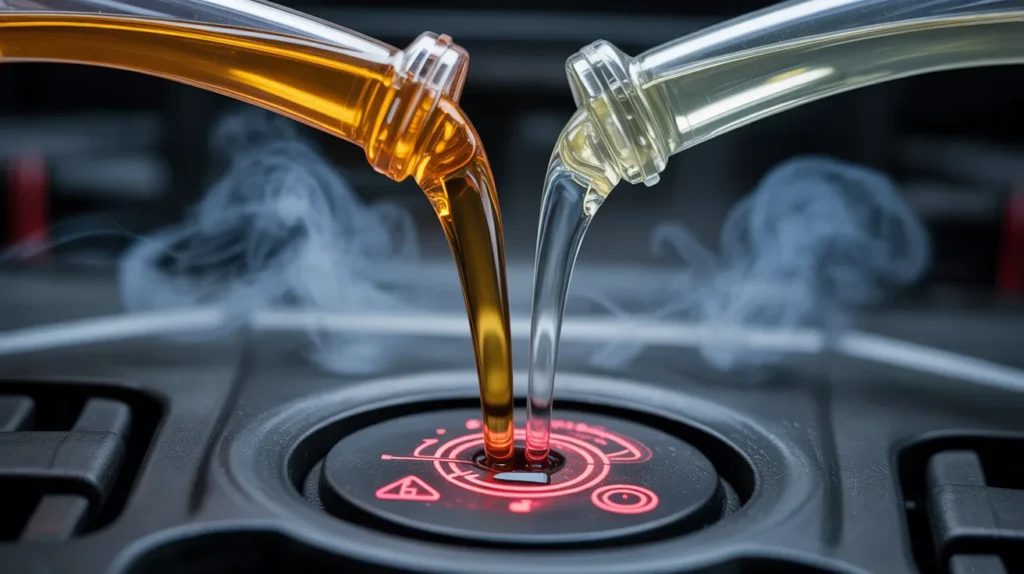
Engine oil too thin ka matlab hota hai ke oil ki viscosity kam ho gayi hai. Simply put, “oil viscosity explained” ka matlab hai oil ki thickness ya resistance to flow. Engine lubrication system oil ko itna thin hona chahiye ke wo easily circulate kare, lekin itna thick bhi ho ke moving parts ke darmiyan protective film bana sake.
Thin vs. Thick Engine Oil
Low viscosity oil fast circulate karta hai aur cold start me helpful hota hai. Lekin zyada thin oil high heat me proper protection nahi deta. Agar hum oil weight 5W-30 vs 10W-40: compare karein, to 5W-30 relatively thin hota hai jab ke 10W-40 operating temperature par zyada thick protection provide karta hai. Har engine ke liye correct balance zaroori hota hai.
Effect of High Temperature on Oil
High temperature naturally thins oil. Jab oil excessively thin ho jaye, to metal parts ke darmiyan oil film kamzor ho jati hai. Isse friction, engine noise, aur wear increase ho sakta hai.
Problems Caused by Using the Wrong Oil Grade
Agar aap galat oil grade use karte hain, to oil pressure drop ho sakta hai aur lubrication weak ho sakti hai. Engine oil too thin condition me engine parts proper protect nahi hote, jo long-term damage ka sabab ban sakta hai. Is liye hamesha manufacturer recommended viscosity follow karein.
Using the correct oil ensures smooth performance, proper cooling, and long engine life.
Engine Oil Too Thin Symptoms (Main Section – Important)
Engine Knocking or Ticking Noise
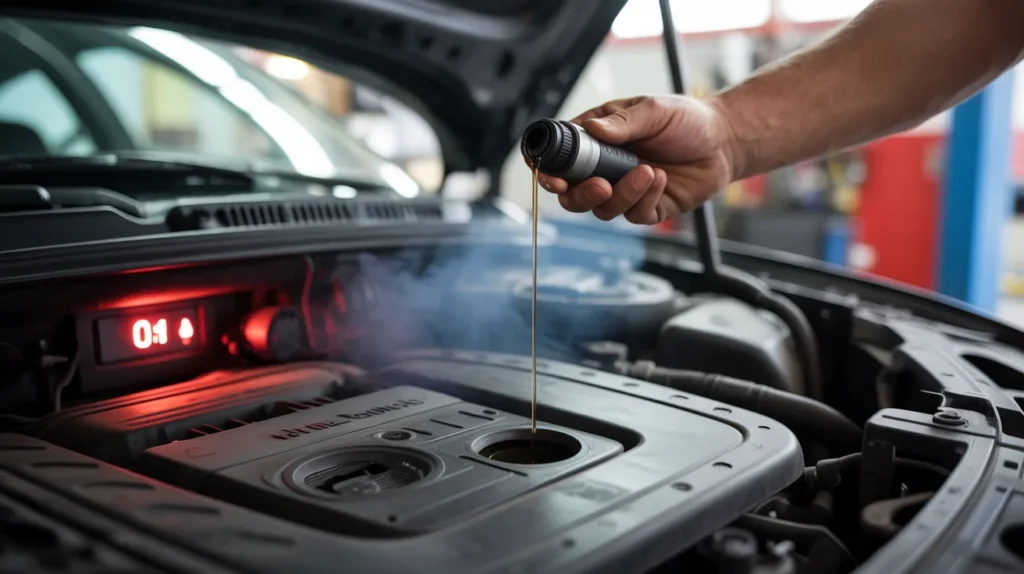
Jab engine oil too thin ho jata hai, to moving parts ke darmiyan proper oil film nahi banti. Is wajah se metal-to-metal contact barhta hai aur knocking ya ticking noise sunai dene lagti hai—ye signs of thin engine oil me se sab se pehla warning signal hota hai.
Low Oil Pressure Warning Light
Low-viscosity oil easily flows, karta hai, lekin kabhi kabhi required pressure maintain nahi kar pata. Result? Dashboard par oil pressure light on ho sakti hai. The symptoms of low viscosity oil are a serious indicator that should not be ignored.
Overheating Engine
Engine oil lubrication ke sath cooling me bhi madad karta hai. Agar oil zyada thin ho jaye to heat dissipation kam ho jata hai. Is engine temperature normal or se zyada barh sakta hai, especially in garam weather?
Burning Oil Smell
Low-viscosity oil seals se leak hone ka zyada chance rakhta hai. Agar oil garam engine parts par lage, to burning smell aa sakti hai. Ye clear bad engine oil symptoms me count hota hai.
Increased Engine Wear
Time ke sath thin oil protective layer maintain nahi kar pata. Iske engine components fast wear hone lagte hain. Kuch drivers notice karte hain ke engine running rough after oil change, jo wrong viscosity ki wajah se hota hai.
Engine oil that is too thin—symptoms ko jaldi pehchan lena—engine damage se bachata hai. Hamesha manufacturer-recommended oil grade use karein taake proper lubrication aur long engine life maintain rahe.
What Causes Engine Oil to Become Too Thin?
Wrong Oil Grade
Agar aap manufacturer-recommended viscosity follow nahi karte, to engine oil expected protection provide nahi karta. Bohat zyada light oil use karne se oil film weak ho jati hai aur engine oil too thin ho jata hai, aur a condition create ho sakti hai. Ye wrong oil viscosity problems jaise low pressure aur engine noise ka sabab ban sakta hai.
Oil Dilution (Fuel Mixing)
Oil dilution tab hoti hai jab fuel engine oil mein mix ho jata hai aur uski thickness kam kar deta hai. Short trips, faulty injectors, ya excessive idling iski common wajahain hain. Common oil dilution symptoms include fuel smell, oil level ka barhna, and lubrication performance ka kam hona.
Engine Overheating
Excess heat oil ki viscosity ko rapidly reduce karta hai. Jab engine overheat karta hai, to oil apni designed thickness maintain nahi kar pata. Isse friction increase hota hai aur long-term engine wear ka risk barh jata hai.
Cheap or Low-Quality Oil
Low-quality oil heat aur stress me jaldi break down ho jata hai. Iska viscosity stability weak hoti hai, jis se oil zyada thin ho sakta hai. Synthetic vs conventional oil ka difference samajhna important hai kyun ke synthetic oil high temperature me better stability provide karta hai.
Engine oil ka too thin hona aksar wrong oil selection, contamination, overheating, ya poor-quality products ki wajah se hota hai. Root cause ko fix karna hi engine protection ka best tareeqa hai.
Is Thin Engine Oil Bad for Your Car?
Metal-to-Metal Contact
Jab thin engine oil proper oil film thickness maintain nahi kar pata, to moving parts ke darmiyan direct contact ho sakta hai. Ye metal-to-metal contact friction aur heat ko barha deta hai. Result? Engine protection compromise ho jata hai aur wear speed up ho jati hai.
Reduced Lubrication
Thin oil easily circulate karta hai, lekin cushioning effect kam ho jata hai. High load ya high temperature me ye situation lubrication failure tak lead kar sakti hai. Proper lubrication ke bina engine smooth operate nahi karta aur efficiency drop ho sakti hai.
Long-Term Engine Damage
Agar continuously thin oil use kiya jaye, to internal components dheere dheere damage hone lagte hain. Bearings wear ho sakte hain, cylinder walls scratch ho sakti hain, aur compression reduce ho sakta hai. Strong engine wear prevention ke liye correct viscosity zaroori hai.
Impact on Turbo Engines
Turbo engines high speed aur extreme heat par kaam karte hain. Inhein stable lubrication aur cooling ki zarurat hoti hai. Thin oil turbo bearings ko adequate protection nahi de pata, jis se overheating aur premature failure ka risk barh jata hai.
Thin engine oil is bad for your car, ho sakta hai agar wo engine requirements se zyada low viscosity ho. Long-term engine health and durability ke liye correct oil grade choose karna essential hai.
How to Fix Engine Oil That Is Too Thin
Use the Correct Oil Grade
Switch to the manufacturer-recommended viscosity. Oil that’s too light cannot provide proper engine protection. Always check your manual for the best oil viscosity for your car—this helps you understand how to choose engine oil correctly for your engine.
Change the Oil and Filter
Old, degraded, or contaminated oil can become too thin. Performing a complete oil and filter change restores proper lubrication. Stick to the recommended oil change interval to prevent viscosity breakdown and maintain engine health.
Check for Fuel Dilution
Fuel mixing can thin engine oil quickly. Common signs include a fuel smell, rising oil level, or engine running rough. Fixing injector or combustion issues helps prevent repeated thinning and protects internal components.
Get a Professional Inspection
If thin oil persists, have a mechanic inspect your engine. Issues like overheating, worn components, or internal damage may be present. Early diagnosis can prevent costly repairs and ensure long-term engine reliability.
Fixing thin engine oil keeps your engine properly lubricated, protects moving parts, and prolongs its lifespan. Regular maintenance, correct oil selection, and addressing underlying issues are key to engine durability.
Conclusion
Recognizing the symptoms of engine oil that is too thin is essential for keeping your car safe and performing well. Signs like engine knocking, low oil pressure, overheating, burning smells, and increased wear indicate reduced lubrication and compromised engine protection. Common causes include using the wrong oil grade, fuel dilution, overheating, or low-quality oil, all of which can accelerate engine wear and cause long-term damage. To avoid these issues, always use the correct oil viscosity, follow the recommended oil change interval, and address mechanical problems promptly. Proactive maintenance keeps your engine properly lubricated, running smoothly, and lasting longer.
FAQs
1. What does it mean when my engine oil is too thin?
Engine oil is too thin when its viscosity is lower than recommended, reducing its ability to lubricate and protect engine components. This can lead to increased friction, overheating, and faster engine wear.
2. What are the common symptoms of thin engine oil?
Signs of thin engine oil include engine knocking or ticking noises, low oil pressure, overheating, burning oil smell, and rough engine operation. Recognizing these early helps prevent serious damage.
3. Can using the wrong oil cause engine oil to become too thin?
Yes. Using oil with lower viscosity than recommended thins the protective oil film, increasing engine wear and the risk of lubrication failure. Always check the manufacturer’s recommended oil grade.
4. How does thin engine oil affect my engine?
Thin oil reduces lubrication, allows metal-to-metal contact, and accelerates engine wear. Over time, this can cause long-term damage to bearings, pistons, and other critical components.
5. How can I prevent my engine oil from becoming too thin?
Use the correct oil grade for your vehicle, follow the recommended oil change interval, and monitor for fuel leaks or overheating. Regular maintenance ensures proper oil viscosity and protects your engine.
Looking for the best oil to keep your Ford diesel engine running smoothly? This guide breaks down the top options, explains oil viscosity, and helps you choose the right oil for optimal engine protection. If you want to maintain performance and prevent engine wear, check out this article!
Want to improve your Chevy Silverado’s performance and fuel efficiency? This article highlights the best spark plugs for your truck, explains compatibility, and shows which plugs deliver smooth starts and reliable power. If you want your Silverado running its best, this guide is a must-read!

