
Introduction
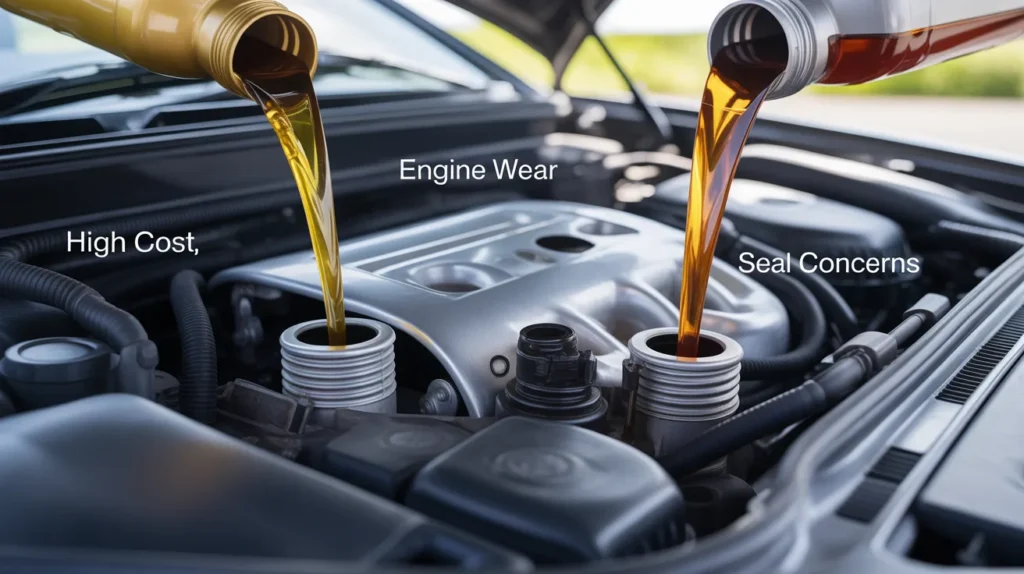
Are you wondering if switching to synthetic oil is really worth it—or if it could cause more problems than it solves? Many drivers face this exact dilemma when deciding between conventional and synthetic options. In this guide, we’ll explore the disadvantages of synthetic oil and help you understand when it may not be necessary for your vehicle.
Choosing the right engine oil can be confusing, especially with claims about longer oil change intervals, superior engine protection, and higher costs. Some key issues—like compatibility with older engines, potential leaks, or the higher synthetic oil cost—are often overlooked by drivers.
This article breaks down the main drawbacks, including possible seal concerns, high-mileage engine considerations, and situations where conventional oil might be the smarter, more practical choice. You’ll also get expert tips, real-world advice, and simple comparisons to help you decide the best oil for your car, driving habits, and budget.
By the end, you’ll have a clear understanding of the limitations of synthetic oil and be able to make an informed choice that keeps your engine healthy without unnecessary expense.
Table of Contents
Higher Cost Compared to Conventional Oil
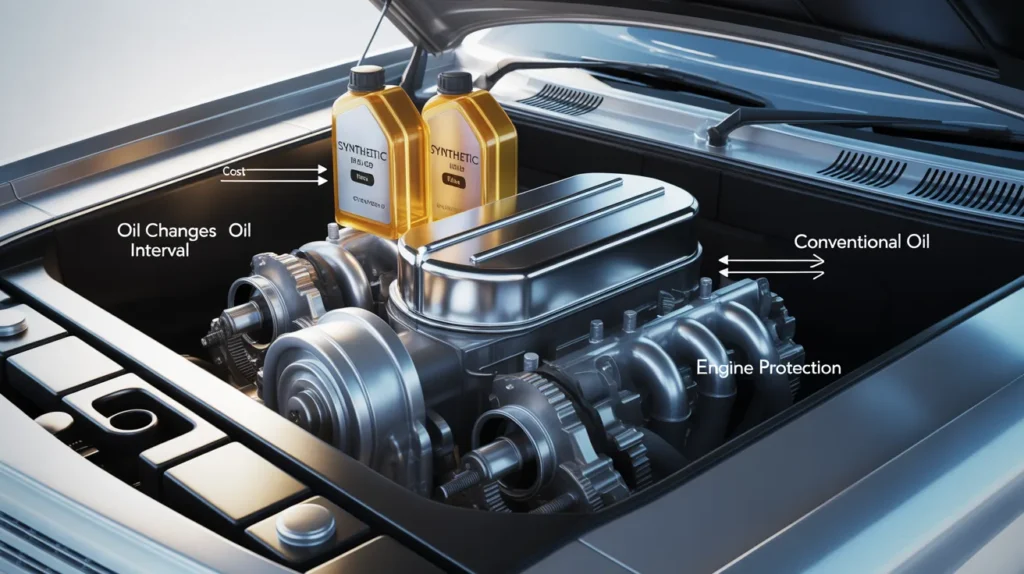
One of the biggest disadvantages of synthetic oil is its noticeably higher cost at the time of service. When comparing the synthetic vs conventional oil price, the difference can feel significant—especially during routine oil changes. The full synthetic oil price difference can sometimes double what you’d pay for conventional oil, depending on the vehicle and oil capacity.
The reason is simple. Synthetic oil is chemically engineered for superior engine lubrication, better resistance to heat, and longer-lasting performance. Many premium oil brands also include advanced additive packages to improve cleanliness and reduce wear. While these upgrades improve protection, they also explain why many drivers view it as expensive engine oil.
Does the higher price provide long-term benefits?
In theory, yes. A longer oil change interval can help reduce overall maintenance costs. If you drive long highway miles regularly, synthetic oil may require fewer changes per year, which balances out the higher upfront price.
But real-world driving isn’t always ideal. Short trips, city traffic, and extreme temperatures can reduce oil life. If you’re still changing oil frequently due to your driving habits, the cost advantage becomes less convincing.
When the Higher Price Doesn’t Make Sense
So, is synthetic oil worth the money for every driver? Not always. If your owner’s manual doesn’t require it, your vehicle is older, or you drive low annual mileage, conventional oil may provide adequate protection at a lower overall cost.
In those cases, paying extra may not deliver enough practical return—especially when other potential drawbacks are considered.
Not Always Necessary for Older Engines
Why Older Engines May Not Benefit
Many older vehicles were originally engineered to run on conventional oil, and in many cases, they continue to perform reliably with it. Switching to synthetic oil in old engines doesn’t automatically improve performance—especially if the engine has already adapted to a specific oil viscosity over years of use.
Older engines often have more internal engine wear and slightly looser tolerances. Synthetic oil flows more efficiently, which is generally a benefit, but in some aging engines, it may not provide a noticeable advantage over a well-formulated conventional or high-mileage oil.
The Synthetic Oil Leaks Myth Explained
There’s a long-standing synthetic oil leak, suggesting that synthetic oil can damage older engines. Modern formulas do not harm engines directly. However, the real issue lies in worn engine seals and aging gaskets.
Synthetic oil is more refined and can clean sludge deposits that may have been temporarily sealing small cracks. If seals are already brittle, switching oils may reveal leaks that were previously hidden—not because synthetic oil caused damage, but because it exposed existing weaknesses.
High-Mileage Engine Considerations
High-mileage engine oil problems, such as increased oil consumption and reduced oil pressure,e are common in aging vehicles. Using a thinner oil viscosity than recommended can sometimes make these issues more noticeable.
For older cars that do not require synthetic oil, a high-mileage formula designed to condition engine seals may be a more practical solution. In many cases, synthetic oil works fine—but it isn’t always necessary or cost-effective for every aging engine, especially when other disadvantages are considered.
Possible Additive Compatibility Issues
Differences in Additive Chemistry
Synthetic oil additives are typically more refined and chemically stable than those found in conventional oils. The oil formulation often includes stronger detergent additives, dispersants, and friction modifiers designed to keep the lubrication system cleaner for longer periods.
For most modern engines, this is a clear advantage. However, in engines with heavy deposit buildup, the stronger cleaning properties can gradually dissolve accumulated residue. While this improves cleanliness, it can sometimes expose weak seals or previously masked wear. The issue isn’t harmful motor oil chemistry—it’s how the engine’s current condition reacts to it.
Mixing Synthetic and Conventional Oil
Many drivers worry about mixing synthetic and regular oil. In reality, most modern oils are compatible, and occasional mixing won’t damage the engine. However, repeatedly combining different brands or switching formulations frequently can slightly alter the additive balance.
These minor oil compatibility problems rarely cause immediate failure, but consistency helps maintain stable performance inside the lubrication system. Sticking to one oil type and viscosity reduces unpredictable changes in additive interaction.
Sludge Cleaning and Engine Flushing Concerns
When switching to synthetic oil, gradual engine sludge removal may occur because of stronger cleaning agents. This is usually beneficial. Problems arise only if an engine has excessive sludge buildup and cleaning happens too aggressively.
Routine oil changes are generally safer than sudden engine flushing procedures, which can disturb protective layers. In most cases, compatibility concerns are situational—not inherent flaws—especially in poorly maintained older engines.
Understanding these chemical differences helps drivers make informed decisions before assuming synthetic oil is always the safest option.
Potential Seal Shrinkage & Leakage Concerns
Modern vs. Early Synthetic Oil Formulations
Modern synthetic oils are much safer than the early versions that caused concern. Today’s formulas are engineered to work with most rubber seals and gaskets, maintaining stable oil pressure across temperatures. Advanced detergent and additive packages clean and lubricate effectively without causing the seal shrinkage problems cited in older guides.
Why Early Synthetic Oils Caused Leaks
Early synthetic oils sometimes included aggressive detergents and thinner base stocks. In engines with older or brittle rubber seals, this occasionally led to minor shrinkage and visible oil leakage after switching. The real cause wasn’t the oil itself—it was worn seals, aging gaskets, and prolonged exposure to heat and contaminants. Understanding this distinction helps separate fact from the common synthetic oil myths.
When Leaks Actually Happen
In modern engines, synthetic oil seal problems are uncommon. Most leaks reported after switching relate to pre-existing issues: degraded gasket condition, hardened seals, or slightly increased flow due to oil viscosity. Routine maintenance and proper oil pressure usually prevent problems. Switching to synthetic in a well-maintained engine rarely triggers leaks, and any seepage is typically a sign of existing wear rather than the oil itself.
By knowing the difference between myth and reality, drivers can make informed choices about synthetic oil while considering other factors that affect older or high-mileage engines.
Overkill for Mild Driving Conditions
City Driving vs. Extreme Conditions
For many daily drivers, synthetic oil isn’t always necessary. Most synthetics are engineered for extreme heat, high RPMs, and heavy loads—conditions rarely experienced in stop-and-go traffic or during short trips around town. In city commuting, your engine temperature stays moderate, so the advanced properties of synthetic oil often go unused.
When Conventional Oil Works Fine
If your car isn’t towing, racing, or operating in very hot or cold climates, conventional oil usually provides sufficient protection. The conventional vs synthetic oil difference becomes less relevant under mild driving conditions. For routine errands, commuting, and low-mileage driving, conventional oil maintains proper engine lubrication and keeps wear under control without the extra cost of synthetic.
Manufacturer Recommendations and Driving Habits
Most automakers specify acceptable oils for normal driving, and many daily drivers fall within that category. Checking your owner’s manual can help determine whether synthetic oil for normal driving is required. Cars that see mostly city streets, occasional highway trips, and moderate seasonal temperatures rarely benefit enough from synthetic to justify the expense. Your daily driver oil type can often remain conventional without compromising engine health, especially if you maintain regular oil change intervals.
For drivers focused on practical, budget-friendly maintenance, understanding when synthetic oil is actually needed helps weigh the benefits against the cost before moving into broader considerations about maintenance strategies.
Conclusion
The disadvantages of synthetic oil show that while it offers excellent engine lubrication and longer oil change intervals, it isn’t always the best choice for every car or driver. Synthetic oil is designed for more demanding conditions, not necessarily for daily commuting or older, high-mileage engines.
For city driving, short trips, and stop-and-go traffic, conventional oil often provides sufficient protection at a lower cost. Paying extra for synthetic oil in these situations may not deliver significant practical benefits.
Before choosing oil, always check your vehicle’s manufacturer recommendations, engine type, and oil change interval. Understanding your driving habits and conditions helps you decide whether synthetic oil is necessary or if conventional oil will keep your engine running smoothly and efficiently.
Ultimately, synthetic oil isn’t harmful—it’s simply tailored for extreme conditions or high-performance engines. For most drivers, sticking with conventional or high-mileage oil is a practical, cost-effective, and reliable choice that keeps the engine healthy without unnecessary expense.
FAQs
1. What are the main disadvantages of synthetic oil?
Synthetic oil can be more expensive, may offer limited benefits for older or high-mileage engines, and sometimes reveals pre-existing oil leaks or engine wear that conventional oil might mask.
2. Can synthetic oil cause leaks in my engine?
Modern synthetic oils rarely cause leaks. Most oil leakage after switching occurs due to worn rubber seals or gasket condition in aging engines, not the oil itself.
3. Is synthetic oil necessary for daily driving?
For typical daily driving, conventional oil often provides sufficient engine protection, especially during short trips, city driving, or moderate engine temperatures.
4. Should I use synthetic oil in high-mileage engines?
Synthetic oil can be used, but older engines with high oil consumption or worn components may not see major benefits. High-mileage-specific oils are often a better fit for these vehicles.
5. Why is synthetic oil more expensive?
Synthetic oil cost is higher because of advanced additives, better engine oil type chemistry, and longer-lasting performance. These features are designed for extreme conditions but may be overkill for normal driving.
Looking for the best spark plugs for your Ford Ranger? Check out this guide to find top picks, expert tips, and how to improve engine performance.
Curious if spark plugs affect your car’s acceleration? This article explains how spark plugs impact performance and what to check for smoother driving.

