

Introduction
If your car making noise after oil change, you’re not alone. Many car owners notice louder or unusual engine sounds right after service, which can be confusing and worrying. Fresh oil is supposed to make your engine run smoother, not noisier, leaving people wondering what went wrong.
The tricky part is figuring out whether the noise is harmless or a sign of a real issue—like the wrong oil type, low oil pressure, or a poorly installed filter. In this guide, you’ll learn the most common causes, simple fixes you can try at home, mistakes to avoid, and when it’s time to see a mechanic—so you can protect your engine and drive with confidence.
Table of Contents
Why Is My Car Making Noise After an Oil Change?
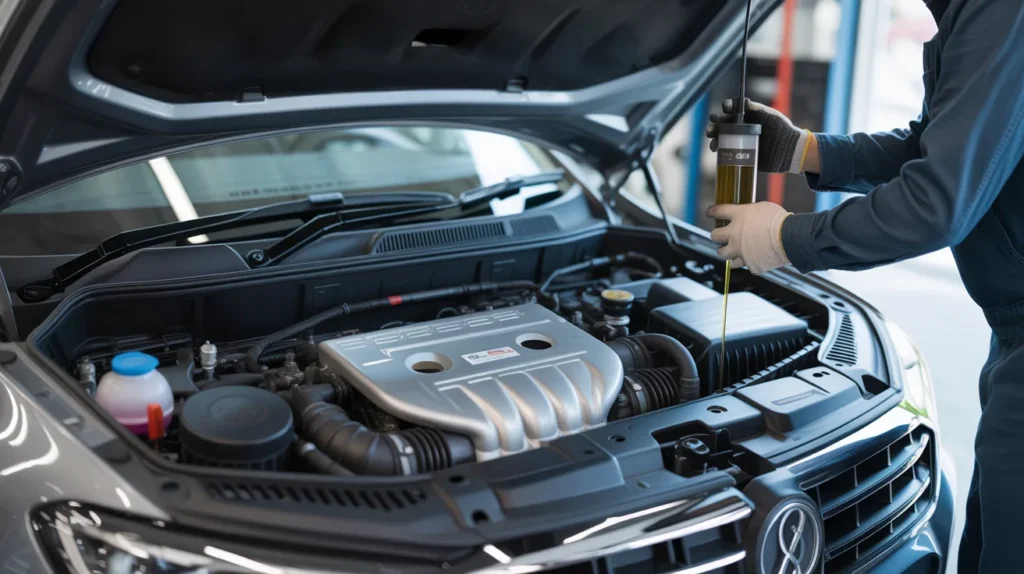
Hearing new engine noise right after an oil change is usually a warning sign and shouldn’t be ignored. Fresh engine oil is designed to reduce friction and help the engine run smoothly. If unusual sounds start appearing after a service, it often means something during the oil change wasn’t done correctly, or the oil isn’t compatible with your engine.
Wrong oil viscosity being used:
Using oil that is too thick or too thin can prevent proper circulation inside the engine. This oil viscosity mismatch may lead to ticking, knocking, or rough running sounds. These are common wrong engine oil symptoms, especially when starting the engine in cold conditions.
Low oil level or overfilled engine oil:
When the oil level is too low, engine components don’t receive enough lubrication, which can create low oil pressure noise. On the other hand, overfilling can cause the oil to foam, reducing its ability to protect moving parts. Both situations can quickly lead to engine lubrication problems.
Improper or loose oil filter installation:
If the oil filter is not installed correctly or becomes loose, it can reduce oil pressure or restrict oil flow. Oil filter loose symptoms often include ticking sounds, rattling, or delayed oil pressure after startup.
Oil pressure problems after service:
Poor oil pressure may cause tapping or clattering noises inside the engine. This can happen if oil passages are blocked, the filter is faulty, or the wrong oil type was used.
Air trapped in the lubrication system:
During some oil changes, small air pockets can form in the system. These bubbles can temporarily interrupt oil flow and create noise until the oil fully circulates.
The good news is that most of these issues are easy to fix if diagnosed early, helping prevent costly engine damage later.
Types of Noises After Oil Change & What They Mean
Not all engine noises sound the same, and the type of sound you hear after an oil change can give important clues about what’s happening inside the engine. Paying attention to these sounds is often the first step in accurate engine sound diagnosis.
Ticking or Clicking Noise
A light ticking sound, especially during startup, usually happens when oil takes a moment to reach the valve train. This is a common reason for engine ticking after an oil change. Sometimes, lifter noise after an oil change occurs if the fresh oil hasn’t fully circulated yet or if the oil type doesn’t match the engine’s requirements.
Knocking or Pinging Sound
A deeper knocking noise is usually more serious. Knocking noise after oil service can occur when the oil is too thin or doesn’t provide enough protection for internal components. If ignored, this sound may also indicate early signs of engine bearing wear, particularly if it becomes louder during acceleration.
Grinding Noise
Grinding sounds should never be ignored. They often suggest that oil is not circulating properly due to a blockage or an incorrectly installed filter. Oil filter installation problems can restrict lubrication, causing metal components to rub against each other.
Loud Engine Noise
If the entire engine suddenly sounds louder than usual, it often means oil is not reaching critical parts effectively. A car engine making a loud noise may indicate increased friction and faster internal wear.
Identifying these noises early makes it much easier to fix the problem and helps protect the engine from serious long-term damage.
How to Diagnose Oil Change Noise Issues (Step-by-Step)
Strange noises after an oil change can be concerning, but identifying the cause early can help prevent costly engine repairs. The good news is that several engine oil inspection steps are simple and safe to perform at home before visiting a mechanic.
Check the Oil Level
Start by parking your car on level ground and allowing the engine to cool down. Remove the dipstick, wipe it clean, reinsert it fully, and then check the oil level. This is the safest method for checking the engine oil level correctly. Low oil can increase friction and create noise, while overfilled oil may cause foaming and reduce proper lubrication.
Inspect the Oil Filter
Locate the oil filter under the vehicle or inside the engine bay and check if it is securely installed. A loose or improperly fitted filter can restrict oil flow or create leaks, which may lead to unusual engine sounds after an oil change.
Look for Oil Leaks
Examine the ground beneath your vehicle for fresh oil spots and inspect areas around the oil pan, drain plug, and filter. Common oil leak symptoms include dark stains, burning oil smells, or visible residue around engine parts.
Monitor the Oil Pressure Warning Light
Never ignore the oil pressure warning light if it appears on your dashboard. It is one of the most important indicators when checking oil pressure problems. Low oil pressure means essential engine components may not be receiving proper lubrication.
Verify the Correct Oil Specification
Always confirm that the oil used matches your vehicle manufacturer’s recommended viscosity and type. Using the wrong oil can disrupt circulation and cause persistent engine noise.
Performing these basic checks can often help detect minor problems early. However, if the noise continues or becomes louder, having the engine inspected by a professional mechanic is the safest option to prevent serious damage.
How to Fix Car Noise After an Oil Change
Hearing engine noise after an oil change can be stressful, but in most cases, it’s fixable. When the issue is caught early, oil change troubleshooting is usually simple and doesn’t require major repairs. Here’s how car owners can address the most common causes.
Correct Oil Refill
Start by confirming the engine has the correct oil type and proper level. Oil that’s too thin, too thick, or filled incorrectly can cause tapping, ticking, or rough sounds. Using the manufacturer-recommended viscosity helps oil flow smoothly and cushions engine parts, often eliminating noise almost immediately.
Oil Filter Replacement
A damaged, low-quality, or improperly installed oil filter can restrict oil flow and create unusual engine sounds. Replacing the filter ensures steady oil circulation and pressure. In most cases, oil filter replacement cost is fairly low, usually just the price of a standard service rather than a major expense.
Engine Flush
If the engine has sludge or dirty oil buildup, an engine flush may help. This process clears out old deposits that block oil passages. One of the key engine flush benefits is restoring proper oil flow, which can reduce noise caused by poor lubrication.
Removing Air Bubbles from the Lubrication System
Air trapped in the oil system can interrupt circulation. Letting the engine idle for a few minutes and then driving gently often helps oil fully circulate and push air pockets out naturally.
When Professional Mechanic Inspection Is Necessary
If the noise continues, gets louder, or warning lights appear, it’s time for expert help. Persistent sounds may point to deeper issues that need proper engine noise repair solutions.
Taking quick action not only prevents expensive engine damage but also helps your car run smoother and quieter for the long haul.
How to Prevent Engine Noise After Future Oil Changes
Preventing engine noise is always easier than fixing it later. With a few smart habits and proper care, you can avoid most post–oil change issues and keep your engine running smoothly.
Use Manufacturer-Recommended Oil
Always stick to the oil type and viscosity listed in your owner’s manual. The right oil flows correctly and protects moving parts. A reliable best engine oil selection guide is your car’s own manufacturer specs.
Follow Oil Change Intervals
Delaying oil changes allows dirt and sludge to build up. Fresh oil at the right time keeps internal parts lubricated and quiet. This is one of the most important oil change maintenance tips.
Use High-Quality Oil Filters
Cheap filters may restrict oil flow or fail early. A quality filter ensures clean oil circulates properly, supporting long-term engine protection and smoother performance.
Choose Certified Mechanics or Trusted Service Centers
Experienced technicians are less likely to make mistakes like overfilling oil or installing filters incorrectly. This is a key part of smart car service best practices.
Test Drive After Oil Change
A short drive helps oil circulate through the engine and removes any trapped air. It also lets you catch unusual sounds early.
Making these steps part of your regular engine maintenance checklist helps extend engine life, improve performance, and keep unwanted noises away for good.
Conclusion
A car making noise after an oil change can be alarming, but it’s usually caused by simple issues like using the wrong oil, having too little or too much oil, or a poorly installed filter. These problems are common and often easy to fix when identified early.
Listening to your engine, checking oil levels, and using the correct oil and filter can prevent most noise-related issues. If the sound persists or warning lights appear, having a professional mechanic inspect the car is the safest approach.
Following regular maintenance and timely checks helps keep your engine running smoothly, quietly, and reliably.
FAQs: Car Making Noise After Oil Change
1. Is it normal for a car to make noise after an oil change?
A brief noise at startup can be normal, but ongoing or loud sounds usually indicate an issue that should be checked promptly.
2. How long does engine ticking last after an oil change?
Light ticking often disappears within a few minutes of driving. If it continues, it may be caused by oil flow problems or using the wrong oil type.
3. Can using the wrong oil cause engine knocking?
Yes. Incorrect oil viscosity or type can reduce engine protection, potentially causing knocking sounds, especially during acceleration.
4. What should I do if my car sounds louder after an oil change?
Start by checking the oil level and dashboard warning lights. If the noise persists, have a professional mechanic inspect the engine.
5. Can low oil pressure damage the engine?
Absolutely. Low oil pressure can quickly lead to serious engine damage and should be addressed immediately to prevent costly repairs.
If you want your car to start smoothly and protect your engine in freezing temperatures, this guide is a must-read. Learn which engine oils perform best in cold weather, how to choose the right viscosity, and tips to prevent winter engine wear.
Struggling with your car burning oil too quickly? This article shows the top engine oil additives that can help reduce oil consumption, protect your engine, and improve performance. Check it out to find effective solutions before your next oil change.

