
Introduction
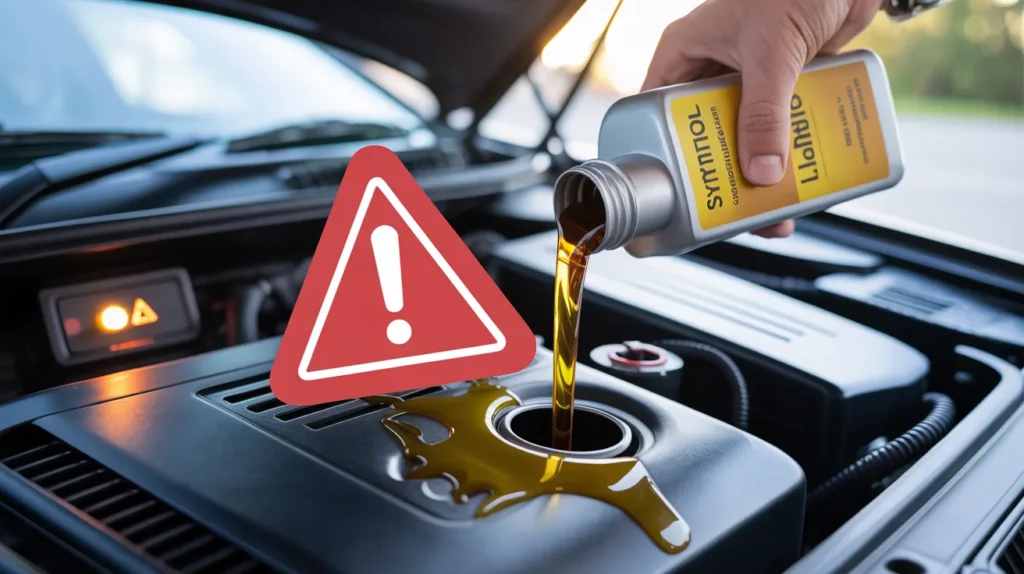
Have you ever realized that you might have used the wrong oil in car synthetic and wondered if your engine is at risk? Many car owners face this exact dilemma—picking the wrong synthetic oil can lead to poor performance, unusual noises, and even long-term engine damage if not addressed quickly.
Choosing the right oil isn’t always simple. With so many grades, viscosities, and manufacturer specifications, it’s easy to make a mistake—especially if you’re new to car maintenance or relying on quick oil changes at a workshop.
This guide is designed to help you understand the risks, recognize the symptoms of wrong engine oil, and take practical steps to fix it. Inside, you’ll find expert tips, step-by-step correction advice, and prevention strategies to keep your engine safe and running smoothly.
Table of Contents
What Happens If You Put the Wrong Synthetic Oil in Your Car?
Using the correct engine oil is important for smooth performance and engine protection. If you use the wrong oil in a synthetic car, the engine may still run, but internal problems can slowly develop.
Engine Lubrication Problems
Engine oil creates a protective layer between moving parts. The wrong synthetic oil can reduce proper lubrication, causing metal parts to rub together. This process increases friction and can lead to faster engine wear.
Increased Engine Heat and Overheating Risk
Synthetic oil helps control engine temperature. If the oil grade is incorrect, it may not handle heat properly. This can increase overheating risk and reduce oil effectiveness during long drives or heavy engine loads.
Performance and Fuel Efficiency Issues
Using the wrong engine oil can affect oil flow and pressure. This may cause rough performance, engine noise, and reduced fuel efficiency because the engine works harder than normal.
Long-Term Engine Damage Risks
If incorrect oil stays in the engine for too long, it can cause sludge buildup, seal damage, and internal wear. Replacing it with the correct synthetic oil early usually prevents serious engine damage.
Signs You Used the Wrong Synthetic Oil
Using the correct engine oil keeps your vehicle running smoothly and protects internal engine components. However, when the wrong synthetic oil is used, the engine usually starts showing warning signs. Recognizing these early symptoms of wrong engine oil can help prevent expensive repairs and long-term mechanical damage.
Engine Knocking or Unusual Noise
One of the earliest warning signs is an unusual engine sound. If you notice ticking, knocking, or louder engine noise after an oil change, it often means the oil is not lubricating moving parts properly. Poor lubrication increases friction between metal components, which can lead to faster wear. If the noise continues or becomes louder, it may indicate serious internal stress on the engine.
Smoke or Burning Smell
A burning smell or light smoke from the engine area can indicate overheated oil or oil touching hot engine surfaces. This usually happens when the oil cannot handle high temperatures or breaks down too quickly. If the burning smell remains after driving for a short time, it is a strong sign that the oil is not compatible with your engine.
Poor Engine Performance
Drivers often notice reduced power or rough engine operation when the wrong oil is used. A car running rough after an oil change may occur because incorrect oil affects proper oil flow and engine balance. The engine may feel sluggish, vibrate more than usual, or consume more fuel due to increased internal friction.
Oil Leakage or Oil Pressure Warning Light
Leaks or dashboard alerts are serious oil pressure warning signs that should never be ignored. Incorrect oil thickness can affect pressure levels and may damage engine seals. Low oil pressure reduces lubrication, which can quickly lead to severe engine damage if the issue is not fixed promptly.
If you notice any of these warning signs, replacing the oil with the manufacturer-recommended specification as soon as possible usually restores proper lubrication and helps prevent long-term engine problems.
Difference Between Correct vs. Wrong Synthetic Oil
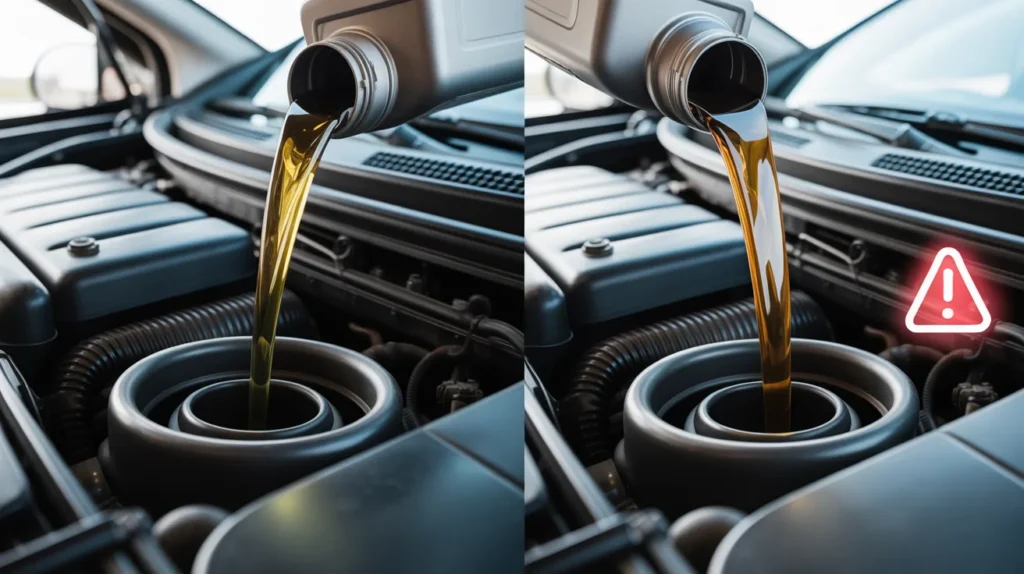
Using the right engine oil is essential because not all oils perform the same. The correct synthetic oil ensures smooth engine operation, proper lubrication, and long-term protection, while the wrong oil can reduce performance and gradually harm your engine.
Oil Viscosity Explanation
Oil viscosity determines how thick or thin the oil is under hot and cold conditions. Choosing the correct oil viscosity vs. the wrong viscosity affects how efficiently oil flows through the engine. Too thin oil may fail to protect engine parts under heat, while too thick oil may struggle to circulate during startup. This highlights the oil grade’s importance—the right grade ensures consistent lubrication in all driving conditions.
Engine Design and Oil Compatibility
Modern engines are built with precise tolerances and technologies that depend on proper oil flow. While many drivers focus on synthetic vs conventional oil differences, compatibility with the engine design is more critical. Even premium synthetic oil can cause problems if it doesn’t match the engine’s pressure or flow requirements.
Manufacturer Oil Specifications: Importance
Following the manufacturer’s oil recommendation is vital. Your vehicle’s manual specifies the correct oil to support engine cooling, fuel efficiency, and emission systems. Using oil that doesn’t meet these specs may not damage the engine immediately but can lead to faster wear and reduced efficiency over time.
Performance and Engine Protection Comparison
With the correct oil, your engine runs smoother, quieter, and more efficiently. Using the wrong oil increases friction, raises engine temperature, and can reduce fuel economy. Over time, these effects shorten engine lifespan and increase maintenance costs.
In short, the right oil complements your engine’s design, while the wrong oil gradually works against it. Choosing the correct synthetic oil is one of the easiest ways to protect your vehicle and avoid future problems.
Can Wrong Synthetic Oil Damage Your Engine Permanently?
Using the wrong synthetic oil once may not destroy your engine immediately, but driving too long with it can cause serious problems. Engines rely on proper lubrication and cooling, so engine damage from wrong oil becomes more likely the longer the issue continues. Many drivers wonder, ” Can wrong oil ruin engine performance permanently, and the answer is yes, if ignored.
Short-Term vs. Long-Term Damage
In the short term, you may notice unusual engine noise, rough driving, or reduced fuel efficiency. Over time, the long-term effects of wrong engine oil include faster wear, overheating, and decreased engine life. Small lubrication problems can gradually turn into costly internal damage if not addressed promptly.
Turbocharged Engines Par Effect
Turbo engines are particularly sensitive to oil quality. The wrong synthetic oil may overheat or fail to protect fast-spinning turbo components. This can reduce engine power, produce smoke, or even lead to turbo failure, making engine protection critical for high-performance vehicles.
Engine Wear and Sludge Buildup
Using incorrect oil increases oil contamination risks, leading to sludge and deposits in the engine. Sludge blocks oil passages, traps heat, and accelerates internal wear, which can eventually cause severe engine damage. Regular checks and correct oil selection help prevent these problems.
Warranty Issues
Using oil that doesn’t meet the manufacturer’s oil recommendation may void warranty coverage. If engine components fail, repairs might not be covered, leaving the owner with high costs. Following the specifications ensures both engine safety and warranty protection.
In short, a single mistake can often be corrected quickly, but ignoring it can shorten engine life. Replacing the wrong oil with the correct synthetic grade as soon as possible is the safest way to protect your engine.
What To Do If You Put the Wrong Synthetic Oil in Your Car
Using the wrong synthetic oil isn’t usually catastrophic, but acting quickly can prevent engine wear, overheating, or long-term damage. Here’s a clear guide on what to do after a wrong oil change to protect your engine.
Situation Assessment Kaise Karein
Start by identifying which oil was used and compare it with your car’s manual. If the grade or specification is significantly different, plan to replace it soon. Pay attention to unusual engine noise, warning lights, or rough performance. These signs indicate how urgent the correction needs to be.
Oil Flush Kab Zaroori Hota Hai
In most cases, draining the incorrect oil and refilling with the correct grade is enough. If the wrong oil has been in the engine too long or caused rough operation, flushing the engine oil can help remove residues. This is one of the simplest oil change correction steps to restore proper lubrication.
Mechanic Visit Kab Karni Chahiye
If your engine is overheating, making unusual sounds, or showing alerts, see a mechanic promptly. A professional can check oil pressure, inspect for early internal damage, and ensure the engine is safe. Early inspection is often the best way to know how to fix wrong engine oil issues before they become serious.
Prevention Tips for Future Oil Changes
To avoid repeating the mistake, always note your car’s exact oil specification and confirm it before any service. Keeping a photo of the manual’s oil page on your phone can prevent confusion. Regular checks and proper labeling make future oil changes foolproof.
In short: Identify the wrong oil, replace it quickly, monitor your engine, and prevent future mistakes. Acting early usually turns a minor error into an easy fix.
Conclusion
Using the wrong oil in a synthetic car can cause problems ranging from minor engine noise to serious long-term damage. Recognizing warning signs early and acting quickly—like replacing or flushing the oil—helps prevent the long-term effects of the wrong engine oil. Following your manufacturer’s oil recommendations and staying proactive with maintenance ensures smooth engine performance, better fuel efficiency, and reliable operation. Taking these steps keeps your engine well-protected, efficient, and durable for years.
FAQs About Using Wrong Oil in Car Synthetic
Q1: What happens if I use the wrong synthetic oil?
A: Using the wrong oil in a car’s synthetic can reduce lubrication, increase engine temperature, and cause friction. If corrected quickly, one mistake is usually harmless, but prolonged use can lead to serious engine damage from the wrong oil.
Q2: How can I tell if my engine is affected?
A: Watch for rough performance, unusual engine noise, smoke, or warning lights. These are early signs of long-term effects of the wrong engine oil and indicate it’s time to act.
Q3: What should I do after using the wrong oil?
A: Follow proper oil change correction steps: drain the wrong oil, refill with the correct grade, and inspect for leaks. An engine flush by a professional may be needed in some cases.
Q4: Can one wrong oil change permanently damage my engine?
A: A single mistake rarely causes permanent harm if corrected quickly. Repeated use of the wrong oil increases friction, heat stress, and long-term wear.
Q5: How can I prevent using the wrong oil again?
A: Always check your manual for the exact oil grade before service. Keeping a photo or note of the specification helps prevent mistakes and ensures proper engine protection.
Best Engine Oil for BMW 3 Series
Looking for the perfect engine oil for your BMW 3 Series? This guide covers the best oil types, grades, and expert tips to keep your engine running smoothly.
Best Engine Oil for Petrol Cars
Want to keep your petrol car’s engine efficient and long-lasting? Check this article for top oil recommendations, compatible grades, and practical maintenance tips.

