
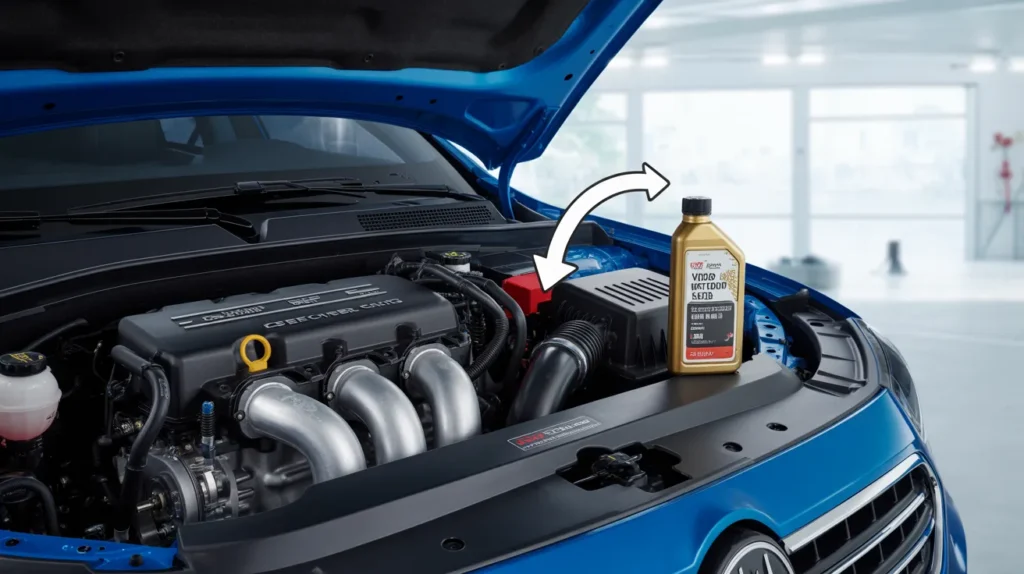
Introduction
Are you confused about what engine oil does my car need and worried about picking the wrong one? Choosing the right engine oil can feel overwhelming with so many grades, types, and recommendations to consider. Using the wrong oil can reduce engine protection, lower fuel efficiency, and even cause long-term damage.
This simple guide will help you understand everything you need to know. You’ll learn how to choose the correct engine oil for your vehicle, the differences between synthetic and conventional oils, and what oil grades like 0W-20 or 5W-30 really mean. We’ll also cover oil change intervals and expert tips to keep your engine running smoothly. By the end, you’ll feel confident selecting the recommended engine oil without any guesswork.
Table of Contents
What Engine Oil Does My Car Need?
What engine oil does my car need? It depends on your engine type, model year, and the manufacturer’s recommendations. To choose the right engine oil for your vehicle, always check the owner’s manual for the specified viscosity and oil standard. Using the recommended engine oil for your car ensures proper lubrication and better fuel efficiency, and helps prevent engine wear and long-term damage.

Finding the right engine oil is simple when you follow a few practical steps. If you’re unsure what engine oil does my car need, start with information made specifically for your vehicle.
First, check the owner’s manual. It clearly lists the correct engine oil for your car, including the recommended viscosity and required oil standards. This is the most reliable source and is written for everyday car owners.
Next, look under the hood. Many vehicles display oil information on the oil cap or nearby labels, which can help confirm the recommended oil for your vehicle if the manual isn’t available.
Finally, use online lookup tools from manufacturers or oil brands. By entering your car’s make, model, and year, you can easily find the right engine oil without guesswork or confusion.
Understanding Engine Oil Grades (0W-20, 5W-30, 10W-40)
Engine oil grades may look confusing at first, but they are easy to understand. If you’re wondering what engine oil my car needs, knowing the basics of engine oil grades can make the choice much easier.
The number before the “W” shows how easily the oil flows in cold weather, while the “W” stands for winter. A lower number means better cold-start protection. The second number shows how thick the oil remains when the engine is hot, which relates to oil viscosity or engine oil viscosity.
A 0W-20 oil is very thin and commonly recommended for newer engines to improve fuel efficiency. 5W-30 is slightly thicker and works well for many modern vehicles. 10W-40 is thicker and often used in older engines or in warmer climates.
Synthetic vs Conventional Engine Oil
Synthetic and conventional engine oil are the two main types used in cars. If you’re wondering what engine oil your car needs, understanding the difference can make choosing much easier.
]Synthetic engine oil is designed to handle high and low temperatures better. It provides stronger engine protection, lasts longer, and improves performance, though it usually costs more. Conventional engine oil is more affordable and works well for older cars, but it requires more frequent changes.
For most modern vehicles, synthetic engine oil is commonly recommended as the best oil type for your car, offering better long-term protection and fuel efficiency.
What Happens If You Use the Wrong Engine Oil?
Using the wrong engine oil can cause several problems that affect your car’s performance and lifespan. If you ignore what engine oil my car needs, you may experience unwanted consequences from using the wrong oil.
Oil that does not meet your engine’s requirements can reduce protection and increase friction, leading to poor fuel efficiency and higher engine temperatures. Over time, the effects of incorrect engine oil may include faster engine wear and potential engine damage. In some cases, using the wrong oil can even affect your vehicle’s warranty. Choosing the correct engine oil helps protect your engine and avoid costly repairs.
How Often Should You Change Engine Oil?
Knowing how often to change engine oil is key to keeping your car running well. If you’re unsure what engine oil my car needs, timing your oil change matters.
Most cars need an engine oil change interval of 5,000 to 10,000 miles. Synthetic oil usually lasts longer, while conventional oil needs more frequent changes.
Driving habits like short trips, heavy traffic, or towing can shorten oil life, and the engine type also affects oil wear. Check your owner’s manual to see the recommended oil replacement frequency and keep your engine protected.
Conclusion
Choosing the right engine oil is essential to keeping your car running smoothly. Knowing what engine oil my car needs begins with checking your owner’s manual and following manufacturer recommendations. Understanding oil grades and viscosity helps you select the correct engine oil for your vehicle. Decide between synthetic and conventional oil based on your car and driving conditions. Regular oil changes at the proper intervals ensure engine protection, improve performance, and extend engine life. Always use the recommended engine oil and follow the schedule to keep your engine healthy and avoid costly repairs.
FAQs – What Car Owners Ask Most
What engine oil does my car need?
Check your owner’s manual or the information under the hood. Using the recommended engine oil for your car protects your engine, ensures proper lubrication, and improves overall performance.
How often should I change engine oil?
Most cars need an oil change every 5,000–10,000 miles. Synthetic oil can last longer, but heavy traffic, frequent short trips, or extreme conditions may require more frequent oil changes.
Synthetic vs conventional engine oil—which is better?
Synthetic oil lasts longer and provides better engine protection, while conventional oil is cheaper. Most modern vehicles perform best with synthetic oil for long-term engine health.
Can using the wrong engine oil harm my car?
Yes. Using the wrong oil can reduce engine protection, lower fuel efficiency, cause engine wear, and may even affect your vehicle’s warranty. Always use the correct engine oil recommended for your car.
What do 0W-20, 5W-30, and 10W-40 mean?
The first number indicates how the oil flows in cold weather, while the second shows its thickness at high temperatures. Thinner oils suit newer engines and cold climates, while thicker oils are better for older engines or hot climates.
For Oil Additives:
If you want to learn more about choosing the right oil additive for synthetic oil, this detailed guide covers the top options, benefits, and expert recommendations.
For Toyota Corolla 1.8 Petrol:
If you’re looking for the best engine oil for a Toyota Corolla 1.8 petrol engine, this article provides clear recommendations, specifications, and helpful buying tips.

