
1. Introduction
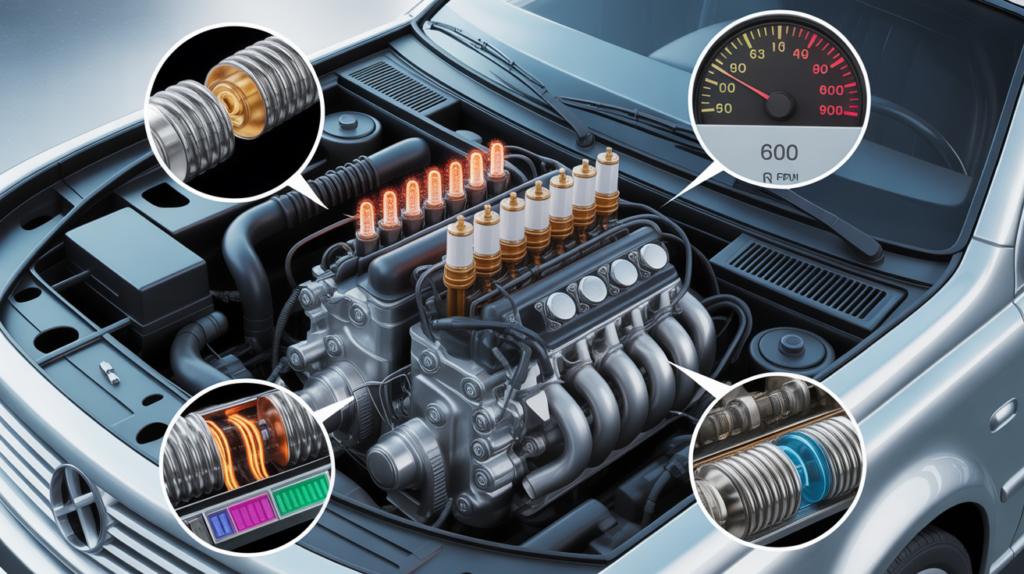
If you’re trying to figure out what causes engine misfire at idle, you’re not alone. Many car owners get worried when their vehicle starts shaking, idling roughly, or showing uneven RPMs—yet they’re unsure what’s actually causing it or how serious the problem might be. The challenge is that misfires can come from several different issues, and guessing often leads to wasted time and money.
This guide makes it simple. In this article, you’ll learn the exact reasons engines misfire at idle, the most common causes to check first, how to diagnose the issue correctly, and what repairs actually fix the problem. You’ll also find clear explanations, expert tips, and practical advice to help you understand your car better and avoid costly mistakes.
Table of Contents
2. What Is an Engine Misfire at Idle?
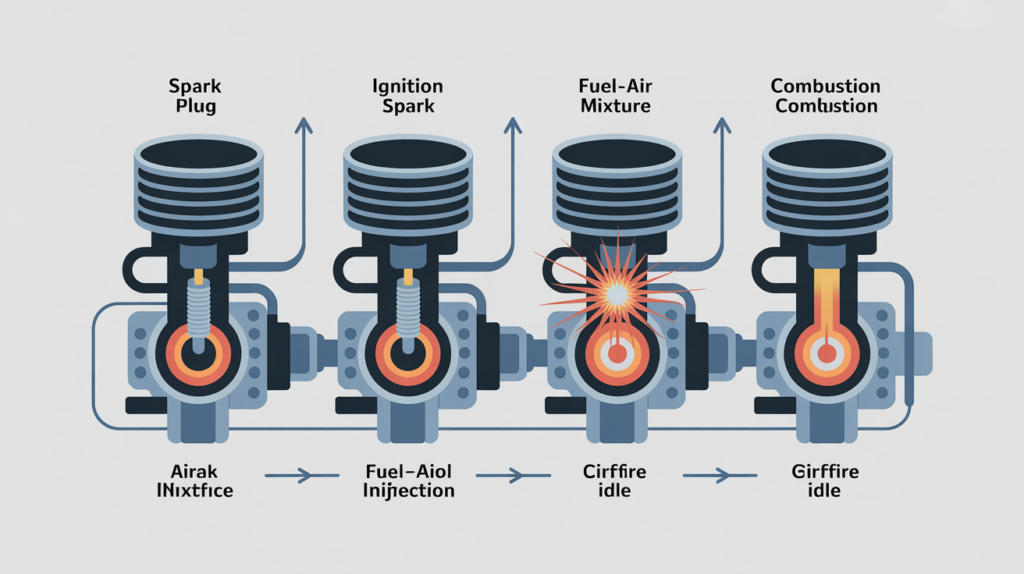
An engine misfire at idle happens when one or more cylinders fail to fire properly while the vehicle is sitting still, causing the engine to run unevenly instead of smoothly. At idle, the engine should maintain a steady rhythm and consistent RPM, but a misfire disrupts this balance and leads to symptoms like rough idle, a shaking engine, uneven RPM, and noticeable engine stumbling. This usually occurs due to poor combustion caused by issues in the ignition system, fuel delivery, air intake, or internal mechanical components. In simple terms, a misfire at idle means the engine isn’t burning fuel the way it should, creating vibrations and instability that even beginners can easily recognize.
3. Main Causes of Engine Misfire at Idle
An engine misfire at idle can stem from several common issues, most of which affect how the engine creates proper combustion. Understanding these causes helps you diagnose why your car might be shaking, running unevenly, or showing inconsistent RPM. Here are the main reasons a misfire happens while idle:
1. Faulty Spark Plugs
Worn or damaged spark plugs can’t create a strong spark, leading to a weak spark and poor combustion. When a plug fails to ignite the air-fuel mixture correctly, the engine may develop a rough idle or stumble during idle.
2. Weak Ignition Coils
Ignition coils supply the high voltage needed for the spark plugs. If a coil is weak or failing, the cylinder won’t fire reliably, causing misfires, vibration, and inconsistent RPM—especially noticeable at idle.
3. Dirty or Clogged Fuel Injectors
Fuel injectors must deliver a precise amount of fuel. When they become dirty or clogged, the cylinder may run too lean or too rich. Such conditions can create fuel delivery issues, lean misfire, and unstable idle performance.
4. Vacuum Leaks
A vacuum leak allows unmetered air to enter the engine, causing an air-fuel imbalance. This often results in a lean misfire, shaking, and rough running when the engine is idling.
5. Low Fuel Pressure
A weak fuel pump, clogged fuel filter, or faulty pressure regulator can reduce fuel pressure, preventing proper fuel flow. Low pressure leads to poor combustion, hesitation, and misfires—especially noticeable at idle when the engine requires steady, controlled fueling.
6. Faulty EGR Valve
If the EGR valve sticks open, it allows too much exhaust gas into the intake at idle. This dilutes the air-fuel mixture, causing rough running, engine stumbling, and frequent misfires.
7. Dirty or Failing MAF Sensor
A contaminated or failing Mass Air Flow (MAF) sensor sends incorrect airflow data to the engine computer. This causes an inaccurate air-fuel mixture, resulting in a rough idle, hesitation, and misfires.
8. Engine Mechanical Problems (Low Compression)
Issues such as worn piston rings, damaged valves, or head gasket leaks can lead to low compression. When compression drops in one or more cylinders, the mixture cannot ignite properly, causing severe misfires and constant engine shaking at idle.
Altogether, these problems disrupt normal combustion and can lead to a noticeable engine misfire at idle, especially when the engine is most sensitive to changes in fuel, air, and spark.
4. How to Diagnose an Engine Misfire at Idle
Proper diagnosis is important because a misfire at idle can come from many different systems (ignition, fuel, air, or mechanical). Finding the root cause quickly saves time and money and prevents further damage. Below is a practical, step-by-step approach any car owner or beginner mechanic can follow to track down an engine misfire at idle. Use basic safety: park on level ground, set the parking brake, work in a well-ventilated area, and let the engine reach normal operating temp before testing.
1) Reproduce & Observe
- Start the engine and let it idle.
- Note symptoms: rough idle, inconsistent RPM, shaking engine, or engine stumbling.
- Listen for which side of the engine sounds worse (may hint at a particular cylinder bank).
2) Scan OBD-II Codes
- Use an OBD-II scanner. Read stored and pending codes.
- Common misfire codes: P0300 = random/multiple cylinder misfire; P0301–P0308 = misfire in cylinder 1–8.
- Record freeze-frame data and fuel trims—they give clues about lean/rich conditions and which cylinder(s) to focus on.
3) Visual Inspection (quick, often revealing)
- With ignition off, remove the ignition coil boots or spark plug wires. Look for cracks, corrosion, oil, or carbon tracking.
- Pull the spark plugs and inspect for fouling, heavy carbon, oil, or worn electrodes—signs of poor combustion or oil control problems.
- Check wiring and connectors for ignition coils and injectors for loose or damaged plugs.
4) Ignition System Checks
- Swap the ignition coil (or spark plug) from the suspected bad cylinder to a known good cylinder. If the misfire follows the coil/plug, you have found the problem (weak coil, bad plug, or bad wire).
- Check spark strength if you have the right tool (spark tester). A weak spark will cause misfires, especially noticeable at idle.
5) Fuel Delivery & Injector Inspection
- Inspect fuel injectors for leaks or heavy carbon. You can listen with a mechanic’s stethoscope—a healthy injector clicks regularly.
- Consider a professional injector cleaning, or use an injector cleaner if injectors are dirty. Dirty injectors often cause fuel delivery issues and lean misfire at idle.
- Test fuel pressure with a gauge and compare to the vehicle’s factory spec—low pressure from a weak pump or clogged filter causes poor combustion.
6) Check for Vacuum Leaks & Air Intake Problems
- With the engine idling, spray a small amount of carb cleaner or starter fluid around intake boots, vacuum lines, and the throttle body (keep a safe distance). If RPM changes, you likely found an intake/vacuum leak.
- Inspect vacuum hoses, intake manifold gaskets, and PCV lines. A leak causes unmetered air and an air-fuel imbalance (a common cause of rough idle).
7) Test MAF Sensor & EGR Valve
- MAF sensor: check for heavy contamination or incorrect readings (live data on scanner). A dirty/failing MAF will cause incorrect airflow calculation and a rough idle.
- EGR valve: if it’s stuck open at idle, it can let too much exhaust gas in and cause engine stumbling. Clean or replace if malfunctioning.
8) Compression or Leak-Down Test (mechanical check)
- If ignition, fuel, and air checks don’t find the issue, perform a compression test on all cylinders. Low compression in one or more cylinders points to mechanical problems (worn rings, burned valves, blown head gasket).
- A leak-down test is more precise; it pinpoints where compression is escaping (valve, piston rings, or head gasket). Mechanical faults often cause persistent misfires at idle.
9) Analyze Results & Narrow Down
- Use the combination of OBD codes, swap tests, fuel pressure, vacuum checks, and compression results to pinpoint the root cause.
- Example patterns:
- Misfire follows coil/plug swap → ignition fault (weak coil or bad plug).
- Misfire with high short-term fuel trim and vacuum leak found → air leak (lean).
- Multiple cylinders misfiring + low fuel pressure → fuel delivery issue.
- One cylinder, low compression → mechanical problem.
10) When to Get Professional Help
If tests point to internal engine damage (low compression, head gasket), or if you don’t have the tools/time to carry out the checks safely, take the car to a qualified technician. Persistent misfires can damage catalytic converters and other components.
Following these steps will help you methodically diagnose an engine misfire at idle—identify whether it’s caused by ignition (weak spark), fuel delivery issues, air-fuel imbalance, sensors (MAF/EGR), or mechanical problems—so you can fix the right thing and restore a smooth idle.
5. How to Fix an Engine Misfire at Idle
Fixing an engine misfire at idle starts with properly identifying the cause. Misfires happen for many reasons—weak spark, fuel delivery issues, air-fuel imbalance, or mechanical failure—so guessing can lead to wasted money and unnecessary repairs. Once you’ve confirmed the root cause through diagnosis, use the guide below to fix the issue safely and effectively. These steps are beginner-friendly but thorough enough for car owners who want to handle basic repairs.
1. Fix Ignition-Related Problems
Ignition issues are among the most common causes of rough idle, shaking engine, and uneven RPM.
Replace Faulty Spark Plugs
- If a plug is fouled, worn, or damaged, replace it.
- Always replace all plugs as a set unless only one is very new.
- Use the correct gap and heat range recommended by your vehicle manufacturer.
- Cost: Low to moderate (usually $10–$40 per plug).
Swap or Replace Weak Ignition Coils
- If a coil failed your diagnostic “swap test,” replace it.
- Coils are usually plug-and-play and easy to install on modern cars.
- A weak coil produces a weak spark, causing misfires, especially at idle.
- Cost: Moderate ($30–$150 per coil, depending on vehicle).
2. Fix Fuel System Problems
Fuel delivery issues can cause lean misfires, hesitation, and poor idle quality.
Clean or Replace Clogged Fuel Injectors
- Try a quality fuel injector cleaner first (cheap and easy).
- If the injector is severely clogged, remove and clean it professionally or replace it.
- Dirty injectors lead to air-fuel imbalance and unstable idle.
- Cost: Cleaner: $10–$20; replacement injector: $40–$200 each.
Restore Proper Fuel Pressure
- Replace a clogged fuel filter if pressure is low.
- Check the fuel pump and pressure regulator; replace if worn or weak.
- Low pressure creates fuel delivery issues and misfires at idle.
- Cost: Fuel filter: $15–$40; pump: $100–$400.
3. Fix Air Intake and Vacuum Issues
Unmetered air entering the engine can create a lean condition and misfire at idle.
Repair Vacuum Leaks
- Replace cracked vacuum hoses, loose PCV lines, or intake gaskets.
- Fix leaks found during carb cleaner or smoke test checks.
- A vacuum leak causes a noticeable rough idle and uneven RPM.
- Cost: Usually low unless gaskets are involved.
Clean or Replace the MAF Sensor
- Remove the MAF sensor and clean it with MAF-specific cleaner. Do not use brake cleaner or water.
- If cleaning doesn’t fix the issue, replace the sensor.
- A dirty or failing MAF misreads airflow, creating an air-fuel imbalance.
- Cost: Cleaning: $10; replacement: $80–$300.
4. Fix EGR System Problems
A stuck-open EGR valve disrupts combustion at idle.
Clean or Replace a Faulty EGR Valve
- Remove carbon buildup using throttle-body or EGR cleaner.
- Ensure the pintle moves freely.
- Replace the valve if cleaning does not restore function.
- A faulty EGR can cause engine stumbling and misfires.
- Cost: Cleaning: cheap; replacement: $70–$250.
5. Fix Mechanical Problems
If diagnostics show low compression, mechanical repairs are needed. These are more advanced and may require a professional.
Low Compression Repairs
Low compression means the air-fuel mixture can’t burn effectively, leading to misfires at idle and at higher RPM. Common fixes include:
Worn Piston Rings
- Requires engine disassembly and replacement of rings.
- Often done during a full engine rebuild.
- Cost: High ($1,000+).
Burned or Leaking Valves
- Requires cylinder head removal and valve repair/replacement.
- Cost: Moderate to high, depending on labor.
Blown Head Gasket
- Requires gasket replacement and inspection of head warping.
- Cost: High ($800–$2,000 depending on vehicle).
Mechanical issues are serious, so if you’re not experienced, it’s best to leave this part to a trusted shop.
6. Clear Codes & Test Drive
After making repairs:
- Clear OBD-II codes.
- Restart the engine and let it idle.
- Listen for improvements—less shaking, smoother RPM, and no misfire counts.
- Take a short test drive to ensure the issue is fully resolved.
Safety Tips
- Disconnect the battery when working on ignition or fuel systems.
- Avoid working on a hot engine when removing sensors or coils.
- Use the proper tools to avoid damaging connectors or spark plugs.
Final Thoughts
Fixing an engine misfire at idle becomes much easier once you’ve correctly identified the cause. Addressing the specific problem—whether it’s ignition, fuel, air, or mechanical—will restore smooth idle, prevent further damage, and keep repair costs under control. With these clear steps and safety tips, even beginners can approach the repair confidently.
6. Can You Drive With an Engine Misfire at Idle?
You can sometimes drive with an engine misfire at idle, but it’s generally not recommended—and in some situations, it can be unsafe or damaging to the engine. A mild misfire may allow the car to move, but the risks increase the longer you continue driving without fixing the issue.
Why Driving With a Misfire Is Risky
A misfiring engine creates several potential problems:
1. Catalytic Converter Damage
Unburned fuel from a misfiring cylinder can overheat and destroy the catalytic converter. This is one of the most expensive and common forms of misfire damage.
2. Increased Engine Wear
Poor combustion, weak spark, and inconsistent firing put stress on pistons, rings, and valves. Over time, this leads to faster engine wear and reduced performance.
3. Overheating & Reduced Lubrication
Misfires can cause the engine to run hotter or create hotspots in the cylinders. In severe cases, the engine may overheat while driving.
4. Poor Fuel Economy
A misfire wastes fuel, especially when caused by air-fuel imbalance, clogged injectors, or ignition problems.
When It Becomes Unsafe to Drive
You should avoid driving if you notice any of the following:
- Severe rough idle or constant vibration
- Frequent engine stumbling
- Strong fuel smell from the exhaust
- Uneven RPM or RPM dropping suddenly
- The engine feels like it may stall at stops.
- Lack of power or hesitation during acceleration
These symptoms mean the misfire is significant and could cause the engine to stall in traffic or fail to respond when you need power.
What to Do if the Misfire Happens While Driving
- Pull over safely if the engine begins shaking heavily or loses power.
- Avoid hard acceleration—gentle driving reduces stress on the engine.
- If the check engine light flashes, stop driving immediately. A flashing light indicates active catalytic converter damage risk.
- Restarting the engine may temporarily smooth things out, but the misfire will return until repaired.
When to Seek Professional Help
If the misfire persists for more than a few minutes, happens repeatedly, or comes with loud noises, stalling, or strong shaking, get the vehicle inspected by a qualified technician. Quick attention can prevent expensive repairs.
Bottom line: Driving with an engine misfire at idle is possible but not safe for long. If symptoms worsen or the engine becomes unstable, stop driving and get the car checked immediately.
7. How to Prevent Engine Misfires in the Future
Preventing misfires is mostly about regular maintenance. With a few simple habits, you can avoid rough idle, shaking engine, and uneven RPM, and reduce the chances of an engine misfire at idle.
1. Maintain Spark Plugs & Coils
- Replace spark plugs on schedule.
- Inspect ignition coils for cracks or weak spark.
- Use quality parts to keep combustion strong.
2. Keep the Fuel System Clean
- Use injector cleaner regularly.
- Replace the fuel filter when recommended.
- Use good-quality fuel to avoid fuel delivery issues.
3. Maintain Air Intake Sensors
- Clean the MAF sensor every 15k–30k miles.
- Replace dirty air filters.
- Clean the throttle body if the idle becomes unstable.
4. Check Vacuum Hoses & PCV Lines
- Look for cracks or loose hoses.
- Fix leaks quickly to prevent air-fuel imbalance.
5. Service the EGR System
- Clean the EGR valve to avoid carbon buildup that can cause a rough idle.
6. Follow Factory Maintenance Schedules
- Keep up with oil changes, coolant service, timing belt/chain intervals, and tune-ups.
7. Monitor Mechanical Health
- Check compression during major services.
- Fix overheating, coolant leaks, or oil burning early.
Bottom line: Regular maintenance and early attention to small symptoms are the best ways to prevent an engine misfire at idle and keep your engine running smoothly.
8. Conclusion: What causes engine misfire at idle
An engine misfire at idle means one or more cylinders aren’t firing correctly, causing rough idle, shaking, and unstable RPM. Most misfires come from ignition problems, fuel delivery issues, vacuum leaks, or faulty sensors. With proper diagnosis—like scanning OBD codes, checking spark plugs and coils, inspecting injectors, and testing air-fuel balance—you can quickly find the exact cause. Fixing the issue early protects the catalytic converter, improves fuel efficiency, and restores smooth engine performance. With regular maintenance and fast attention to small symptoms, you can prevent future misfires and keep your engine running reliably for the long term.
9. FAQs
1. What does an engine misfire at idle feel like?
An engine misfire at idle usually feels like a rough idle, a shaking engine, or uneven RPM. You may also notice engine stumbling, vibration in the cabin, or a fluctuating idle speed.
2. Can an engine misfire at idle go away on its own?
Sometimes a minor misfire may disappear temporarily, but it will always return until the underlying issue—such as a weak spark, clogged injector, vacuum leak, or sensor problem—is fixed. Misfires rarely resolve permanently on their own.
3. Is it safe to drive with an engine misfire at idle?
It’s possible to drive short distances, but it’s not recommended. Driving with a misfire can damage the catalytic converter, increase engine wear, waste fuel, and cause stalling. If the engine shakes heavily or the check engine light flashes, stop driving immediately.
4. What is the most common cause of an engine misfire at idle?
The most common causes include faulty spark plugs, weak ignition coils, dirty fuel injectors, vacuum leaks, and MAF or EGR issues. These problems disrupt proper combustion and lead to misfires, especially at idle.
5. How much does it cost to fix an engine misfire at idle?
Costs vary depending on the cause. Spark plug replacements may cost $50–$150, ignition coils $100–$300 each, injector cleaning $80–$200, and mechanical repairs much more. Diagnosing the issue first will help you avoid unnecessary spending.
If you’re looking for the best cup holder expander for a car, don’t miss our full guide. It covers top-rated expanders, key features, pros and cons, and expert recommendations to help you choose the perfect one.
Want to discover the best backseatorganizer with a tray? Check out our detailed review where we compare top models, highlight essential features, and help you pick the ideal organizer for your needs.

