
Introduction
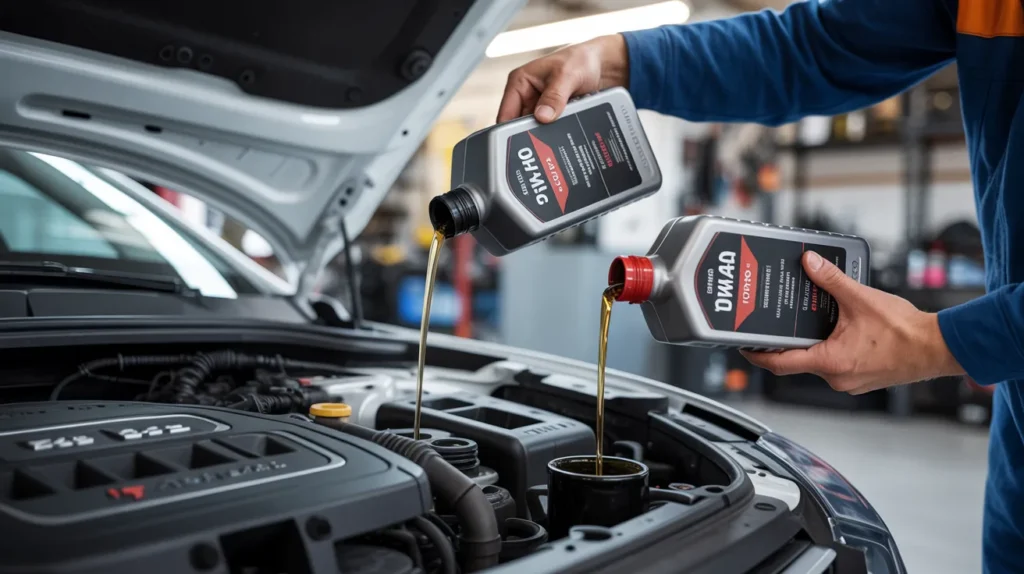
Ever wondered if using thicker oil than recommended could give your engine extra protection—or secretly cause damage? Many drivers face this dilemma, especially with high-mileage engines, minor oil consumption issues, or hot weather conditions.
Choosing the right engine oil isn’t always straightforward. Viscosity numbers, manufacturer specifications, and conflicting advice online can make it confusing to decide whether switching to a thicker grade is a smart move or a costly mistake. The wrong choice can affect engine protection, fuel economy, performance, and even warranty coverage.
This guide breaks everything down in simple terms. You’ll learn how oil viscosity works, the real pros and cons of going thicker, when it might make sense, and when it could harm your engine. We’ll also compare common oil grades, explain expert recommendations, and help you make a confident, informed decision for your vehicle.
Table of Contents
What Happens When You Use Thicker Oil Than Recommended?
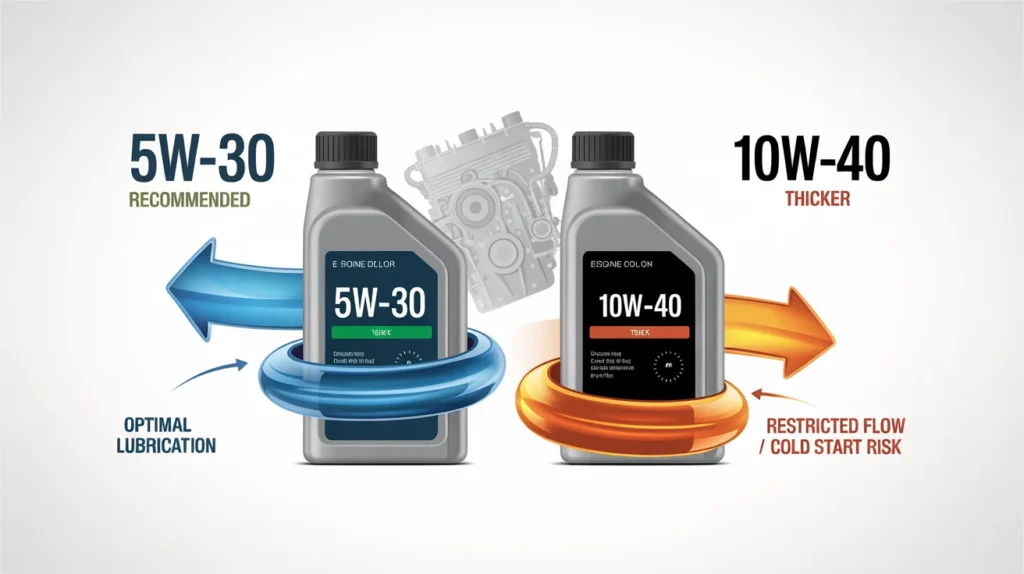
Using thicker oil than recommended may seem like a safer choice, but it can negatively affect how your engine performs. Modern engines are designed for a specific oil viscosity, and changing it can disrupt proper lubrication and efficiency.
Cold Start Problems
One of the biggest risks of using thicker oil than recommended is delayed lubrication during cold starts. Thick oil moves slowly in low temperatures, increasing the chances of cold start damage. Critical components may run dry for a few seconds, leading to early wear.
Reduced Oil Flow
Higher viscosity reduces the oil flow rate, especially through narrow passages in modern engines. Restricted circulation can cause engine lubrication issues and uneven cooling. When oil doesn’t flow properly, internal temperatures may rise.
Increased Engine Wear
Thicker oil can create misleading oil pressure problems. While pressure may appear higher, it doesn’t guarantee effective lubrication. If oil cannot reach tight-clearance parts quickly, friction increases, and long-term engine wear becomes more likely.
Fuel Economy Drop
Heavier oil increases internal resistance, forcing the engine to work harder. This added strain reduces efficiency and can lead to noticeable fuel economy loss over time.
Choosing the correct viscosity is essential to protect performance, efficiency, and engine longevity.
Does Thicker Oil Improve Engine Protection?
Many drivers assume thicker oil always means stronger engine protection. However, viscosity must match engine design. Simply increasing thickness does not automatically improve durability and may even reduce efficiency.
Myth vs. Reality
It’s a common belief that heavier oil provides better cushioning between parts. In reality, modern engines rely on precise oil flow. Using thicker oil than recommended can restrict circulation, disturb cooling, and, in some cases, contribute to engine knocking instead of preventing it.
High-Mileage Engine Cases
In worn engines, especially those with minor internal gaps, switching to a slightly heavier or specialized high-mileage engine oil may reduce small leaks. It can also help manage oil consumption problems by slowing oil burn. However, this is a wear-management strategy—not a universal protection upgrade.
When Thicker Oil Might Be Okay
Thicker oil may be suitable in extremely hot climates or in engines specifically designed for higher viscosity. It should only be used when approved by the manufacturer or a qualified mechanic. Otherwise, extra thickness may increase drag and reduce performance.
The safest protection always comes from following your engine’s recommended oil grade.
Effects on Fuel Economy & Performance
Oil viscosity plays a critical role in how efficiently an engine operates. Even small changes in thickness can affect lubrication speed, friction levels, and fuel usage. That’s why using thicker oil than recommended can directly influence both performance and economy.
Increased Engine Drag
Thicker oil creates a heavier lubricating film between moving parts. This increases internal resistance, forcing the engine to work harder during operation. Over time, this added strain can contribute to noticeable engine performance issues, especially in engines designed for lower-viscosity oils.
Lower MPG
Heavier oil takes more energy to circulate through tight engine passages. This creates a measurable oil viscosity impact on MPG, as the engine must burn additional fuel to overcome the resistance. The result is gradual fuel efficiency loss, particularly in stop-and-go traffic.
Sluggish Acceleration
When oil flow slows, engine response can suffer. Reduced circulation during startup and acceleration limits optimal lubrication timing. Drivers may notice sluggish acceleration and less responsive throttle performance.
Using the correct viscosity ensures better fuel economy, smoother acceleration, and long-term engine efficiency.
When (If Ever) Should You Use Thicker Oil?
Thicker oil is not always a mistake, but it must align with engine design and operating conditions. Oil viscosity is carefully chosen based on temperature range, internal tolerances, and performance needs. In certain situations, using thicker oil than recommended may be justified—but only with proper reasoning.
Hot Climate Conditions
In extremely hot environments, oil naturally becomes thinner as temperatures rise. A slightly higher SAE oil rating may help maintain stable lubrication under heavy heat stress. However, drivers should always confirm guidance in the oil grade chart before making changes, as modern engines are calibrated for specific viscosity ranges.
Worn Engines
High-mileage engines with internal wear sometimes benefit from a marginally heavier grade. When comparing 5W-30 vs 10W-40, the thicker option may reduce minor leaks or oil burning. This does not repair worn components but can improve sealing and reduce consumption.
Mechanic Recommendation
A professional mechanic may advise a heavier oil after diagnosing measurable wear or pressure concerns. The decision should be based on engine condition—not assumptions. Switching viscosity without proper evaluation can create performance issues.
In most cases, sticking to the manufacturer’s specified oil grade remains the safest and most effective choice.
Risks of Ignoring Manufacturer Recommendations
Automakers design engines around precise lubrication standards. Choosing the wrong viscosity can create serious performance and financial risks. Using thicker oil than recommended can lead to warranty complications, long-term engine damage, and overheating issues.
Warranty Issues
Failing to follow the car owner’s manual oil type can jeopardize an engine warranty claim. Manufacturers often require proof of proper maintenance with approved oil grades. Damage caused by thicker-than-recommended oil may not be covered, leaving owners financially responsible.
Long-Term Engine Damage
Engines depend on exact oil viscosity specifications for balanced lubrication and cooling. Thicker oil may circulate inefficiently through narrow passages, increasing internal stress and accelerating wear. Over time, this can shorten engine lifespan and reduce reliability.
Overheating Risk
Incorrect oil viscosity can impair heat dissipation. When oil is too thick, it may trap heat instead of transferring it away from critical components. This reduced thermal efficiency can raise operating temperatures, especially under heavy driving conditions.
Following the manufacturer’s recommended oil grade is the safest way to maintain performance, durability, and warranty coverage.
Conclusion
Using thicker oil than recommended might seem like a way to protect your engine, but it can often cause more harm than good. Incorrect viscosity can reduce proper lubrication, lower fuel economy, and lead to performance issues such as sluggish acceleration or increased engine strain. Over time, it may also accelerate wear and create warranty complications if manufacturer specifications are ignored.
While high-mileage engines or extreme climates may occasionally justify minor adjustments, oil choice should always follow engineering guidelines. For consistent performance, efficiency, and long-term engine durability, stick to the oil grade recommended by your vehicle’s manufacturer.
FAQs
1. Can using thicker oil than recommended damage my engine?
Yes. Using thicker oil than recommended can restrict proper flow through tight engine passages, especially in modern vehicles. Over time, reduced lubrication efficiency may increase internal wear and shorten engine lifespan.
2. Does thicker oil affect fuel economy?
Often, yes. Thicker oil creates more internal resistance, making the engine work harder. This extra drag can lead to noticeable fuel efficiency loss, particularly during city driving or cold starts.
3. Will using thicker oil impact engine performance?
It can. Thicker oil slows circulation, which may result in sluggish acceleration, reduced responsiveness, and minor engine strain—especially in colder temperatures or low-viscosity engines.
4. Can using thicker oil void my vehicle’s warranty?
Possibly. If engine damage occurs and records show the wrong viscosity was used, it could affect a warranty claim. Manufacturers require owners to follow the specified oil grade for proper coverage.
5. When is it acceptable to use thicker oil?
Thicker oil may be suitable for high-mileage engines or in extremely hot climates, but only if recommended by the manufacturer. Always consult the owner’s manual or a qualified mechanic before changing oil viscosity.
Looking for the best engine oil for your BMW 3 Series? Check this article for top picks, viscosity tips, and expert recommendations to boost engine performance.
Confused about the right engine oil for petrol cars? This guide covers the best options, recommended grades, and tips to improve fuel efficiency and engine life.

