
Introduction – Why Oil Specifications by Vehicle Matter
Oil specifications by vehicle can be confusing, especially when standing in front of the oil aisle or scrolling through countless online options. Many car owners ask, “Which oil is truly right for my engine?” Using an incorrect oil type or viscosity can harm engine performance, decrease fuel efficiency, and accelerate engine wear.
In this guide, we’ll simplify everything. You’ll learn how oil requirements differ by engine type—petrol, diesel, turbocharged, or hybrid—and why following manufacturer-recommended oil is essential. We’ll also share expert tips, highlight common mistakes, and show practical ways to find the right oil for your vehicle.
By the end, you’ll clearly understand oil specifications by vehicle and know which oil keeps your engine running smoothly, efficiently, and safely. manufacturer-recommended
Table of Contents
What Are Oil Specifications? (Simple Explanation)
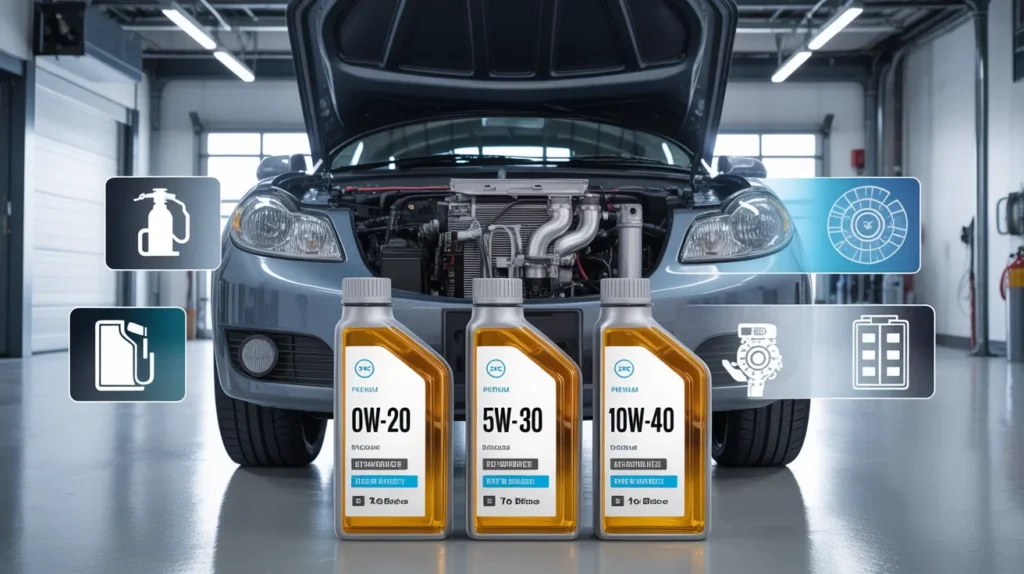
Oil specifications by vehicle define the exact type of engine oil your car needs to run safely and efficiently. They include viscosity grade, oil type, and performance standards recommended by the manufacturer.
Viscosity grades, like 0W-20 or 5W-30, indicate how thick or thin the oil is at different temperatures. Thinner oils flow easily during cold starts, while thicker oils protect better under heat and load.
Oil types—synthetic, semi-synthetic, or conventional—affect engine cleanliness, durability, and stress protection. Fully synthetic oils handle extreme heat and heavy loads, while conventional oils suit older engines.
Performance standards, such as API, ACEA, or ILSAC, certify that oil meets minimum quality levels and supports your vehicle-specific oil requirements.
Following the correct engine oil specifications ensures optimal engine performance, reduces wear, and extends engine life.
How Oil Specifications Differ by Vehicle
Oil specifications by vehicle differ because every engine is engineered to operate under unique mechanical, thermal, and regulatory conditions. Automakers design engines with specific tolerances, materials, and performance targets, which directly define the required engine oil specifications.
Vehicle make, model, and model year play a major role in determining the correct oil. Newer vehicles often specify low-viscosity oils such as 0W-20 to improve fuel efficiency and reduce internal friction, while older engines typically rely on thicker oils like 5W-30 for improved sealing and wear protection. This is why following the manufacturer’s recommended oil is critical for long-term engine health.
Engine size and design further influence vehicle-specific oil requirements. Smaller, high-revving engines generate more heat and depend on oils that offer better thermal stability, whereas larger engines are designed to handle higher loads and stress. Petrol and diesel engines also have different needs—diesel engines require oils with enhanced cleaning and dispersant properties due to higher soot production.
Turbocharged engines place additional stress on oil because of extreme heat and pressure, making advanced formulations essential compared to naturally aspirated engines. In addition, modern emission and performance regulations require oils that protect catalytic converters, turbo components, and emission systems while supporting longer service intervals, ultimately defining the correct oil grade by vehicle.
Oil Specifications by Vehicle & Engine Type
Oil specifications by vehicle and engine type differ because each engine operates under different temperatures, pressures, and usage patterns. These differences directly affect engine oil specifications and determine the correct oil for performance and engine protection.
Petrol engines usually require lighter viscosities such as 0W-20 or 5W-30. They commonly use synthetic or synthetic-blend oils to improve fuel efficiency, reduce friction, and support modern engine technologies. Petrol engine oil requirements mainly focus on cleanliness and smooth operation.
Diesel engines operate under higher compression and produce more soot, which is why they need stronger formulations. Common diesel engine oil specifications include 5W-30 or 5W-40 with enhanced additives for wear protection and contaminant control.
Turbocharged engines generate extreme heat and place extra stress on oil. Turbo engine oil needs typically call for fully synthetic oils that resist heat breakdown and protect turbo components.
Hybrid engines experience frequent start-stop cycles, making fast oil flow essential. Vehicle-specific oil requirements for hybrids often recommend low-viscosity synthetic oils like 0W-16 or 0W-20.
Following the manufacturer’s recommended oil ensures the correct oil specifications for the vehicle and engine type.
How to Find the Correct Oil Specifications for Your Vehicle
Finding the correct oil specifications by vehicle is easy if you use reliable sources. The best starting point is the owner’s manual, which lists the manufacturer-recommended oil, including viscosity, oil type, and any special requirements for your engine. This ensures you follow specifications tailored to your exact vehicle.
You can also check the oil cap or under-hood label, where many vehicles display the required oil grade directly. This is helpful when you wonder, “What oil does my car need?” during a routine oil change.
For extra accuracy, visit the manufacturer’s website. Many automakers provide VIN-based lookup tools that show vehicle-specific oil requirements for your model, engine, and year. Using these sources prevents engine damage, maintains performance, and ensures your vehicle runs as designed.
Common Mistakes When Choosing Oil by Vehicle
One of the most common engine oil mistakes is using the wrong viscosity. Oil that is too thick or too thin reduces lubrication efficiency, leading to wear and lower engine performance—classic wrong engine oil effects.
Ignoring the manufacturer-recommended oil is another frequent error. Automakers specify grades and standards based on precise engine design, and deviating from these vehicle-specific oil requirements can impact reliability and emissions.
Mixing different oil types can also cause problems. Combining synthetic, blend, or conventional oils may dilute additive performance and reduce protection, especially in modern engines.
Overlooking climate and driving conditions is another mistake. Extreme temperatures, short trips, or towing demand oil that matches real-world use.
Finally, assuming one oil works for all vehicles is costly. Following oil specifications by vehicle protects the engine, maintains efficiency, and prevents long-term damage.
Conclusion – Choose Oil Based on Vehicle, Not Guesswork
Choosing the right engine oil isn’t about habit—it’s about matching oil specifications by vehicle. Every engine is designed with precise tolerances, performance goals, and emission requirements, making it essential to follow manufacturer-recommended oil and vehicle-specific oil requirements.
Using the correct oil grade and type ensures proper lubrication, improves fuel efficiency, and protects your engine from premature wear and costly repairs.
Before your next oil change, check your owner’s manual, under-hood label, or manufacturer resources. A few minutes of verification ensures your engine runs smoothly, efficiently, and reliably for years to come.
FAQs – Oil Specifications by Vehicle
1. What does “oil specifications by vehicle” mean?
It refers to the exact oil viscosity, type, and performance standards an engine needs based on the vehicle’s make, model, engine type, and year.
2. What oil does my car need?
The correct oil is listed in your owner’s manual, on the oil cap, or through manufacturer tools that provide vehicle-specific oil requirements and the recommended oil.
3. Can I use the same oil for different vehicles?
Not always. Different engines have unique designs and tolerances, so manufacturer-recommended oil may vary even between similar models.
4. What happens if I use the wrong engine oil?
Using the wrong oil can reduce engine protection, lower fuel efficiency, and cause increased wear or long-term engine damage—classic wrong engine oil effects.
5. Do oil specifications change over time?
Yes. As vehicles age or engine technology evolves, updated oil specifications by vehicle may be issued. Always follow current manufacturer guidance to ensure optimal engine performance.
If you want to know the exact engine oil type, viscosity grade, and manufacturer-recommended options for the Toyota Corolla 1.8 petrol engine, make sure to check out our detailed guide on the best engine oil for the Toyota Corolla 1.8 petrol.
To learn more about the correct oil specifications, viscosity ratings, and top oil recommendations for the Honda Civic 1.5 Turbo engine, read our complete guide on the best engine oil for Honda Civic 1.5 Turbo.

