
Introduction
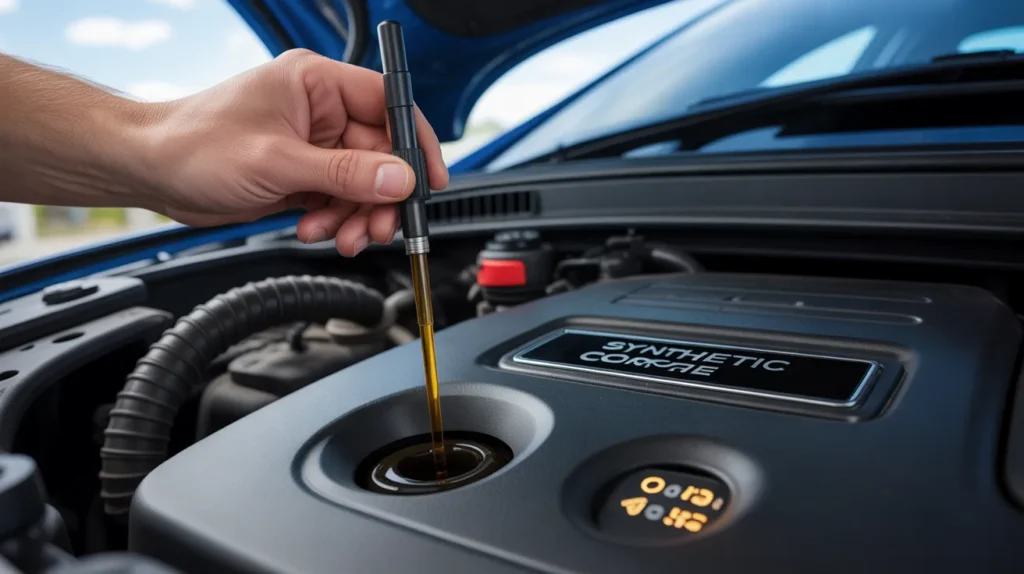
Ever wonder how often you should actually change your oil? Many car owners struggle to understand the oil change interval for synthetic oil, especially with modern engines and extended-life formulas. With so many claims about long-lasting performance, it’s easy to be unsure when a change is truly necessary.
Choosing the wrong interval can reduce engine protection, waste money, or even lead to costly repairs. That’s why following the right schedule is essential to keep your vehicle running smoothly and efficiently.
In this guide, you’ll discover how synthetic oil compares to conventional oil, the key factors that affect its lifespan, warning signs that indicate it’s time for a change, and tips for following your manufacturer’s recommendations. By the end, you’ll have a clear, practical plan for maintaining your engine and getting the most out of synthetic oil.
Table of Contents
What Is the Recommended Oil Change Interval for Synthetic Oil?
The recommended oil change interval for synthetic oil typically ranges between 5,000 and 15,000 miles. However, the exact timing depends on your vehicle’s design, engine type, and the manufacturer’s recommended interval listed in the owner’s manual.
Compared to the synthetic vs conventional oil interval, synthetic oil lasts significantly longer because it resists heat breakdown and sludge formation. Many modern vehicles are engineered to support an extended drain interval, especially when using high-quality full synthetic oil.
Still, mileage alone doesn’t tell the full story. Driving habits such as frequent short trips, stop-and-go traffic, towing, or extreme temperatures can shorten oil life. That’s why most newer vehicles rely on a system for monitoring oil life, which tracks real driving conditions and calculates when service is actually needed.
For the most accurate schedule, always follow your vehicle manufacturer’s guidelines instead of relying only on general mileage estimates.
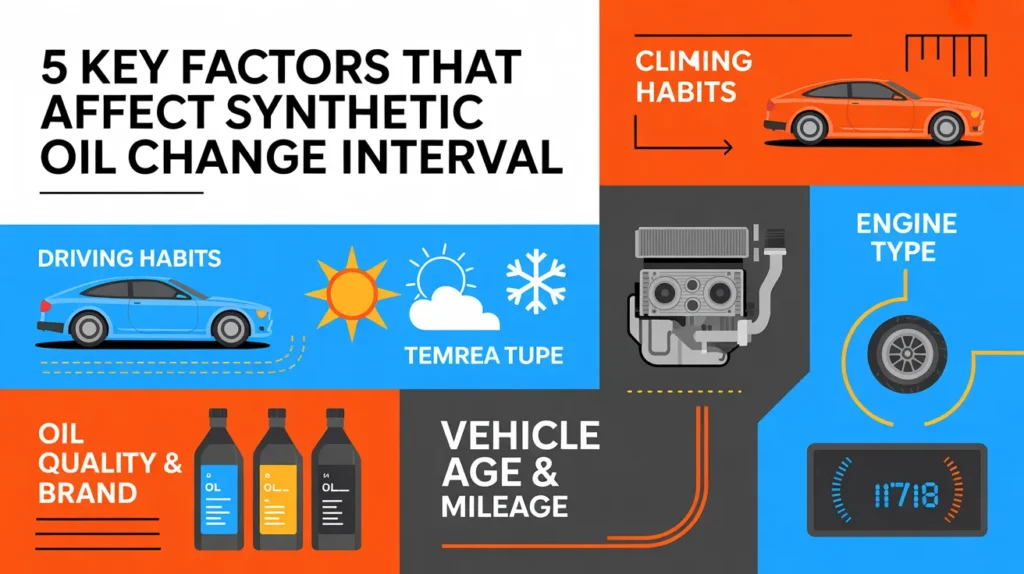
5 Key Factors That Affect Synthetic Oil Change Interval
Driving Habits
Your daily driving pattern directly affects engine oil longevity. Frequent short trips prevent the engine from reaching full operating temperature, which allows moisture and fuel residues to accumulate inside the oil. Over time, this contamination shortens how long synthetic oil can safely protect internal components.
Heavy stop-and-go traffic also increases engine stress due to constant idling and acceleration. In contrast, steady highway driving maintains consistent temperatures, helping oil last closer to the upper end of the recommended interval.
Climate & Temperature
Environmental conditions play a critical role in determining when to change synthetic oil. In extremely hot climates, higher engine temperatures accelerate oxidation and oil breakdown, reducing protection faster than expected.
Cold weather presents a different challenge. During cold starts, oil thickens and flows more slowly, increasing engine wear—especially if trips are short. Both temperature extremes can require adjustments to your synthetic oil maintenance schedule.
Engine Type
Engine design significantly impacts oil life. Turbocharged engines operate under higher heat and pressure, which can degrade oil more quickly than naturally aspirated engines.
Similarly, high-performance engines demand stronger lubrication due to aggressive acceleration and higher RPM operation. In such cases, following a more conservative synthetic oil maintenance schedule helps maintain reliability.
Oil Quality & Brand
Not all synthetic oils perform equally. Full synthetic oil offers superior thermal stability, better resistance to breakdown, and longer service capability compared to a synthetic blend.
Choosing a high-quality, fully synthetic formula can extend protection, while lower-tier blends may require shorter intervals depending on driving conditions.
Vehicle Age & Mileage
As engines age, internal wear and minor oil consumption can influence optimal service timing. High-mileage engines may experience increased clearances, which can slightly reduce oil effectiveness over time.
If your vehicle has accumulated significant mileage, monitoring oil levels regularly and adjusting your maintenance interval can help maintain consistent engine performance.
Synthetic Oil vs Conventional Oil: Interval Comparison
Choosing between synthetic and conventional oil directly impacts how often you need an oil change and how well your engine is protected over time. Understanding the difference in service intervals helps vehicle owners make smarter maintenance decisions.
| Feature | Synthetic Oil | Conventional Oil |
|---|---|---|
| Average Interval | 7,500–15,000 miles | 3,000–5,000 miles |
| Heat Resistance | High | Moderate |
| Engine Protection | Better | Basic |
The key difference lies in formulation. Synthetic oil is engineered to withstand higher temperatures and resist breakdown, which slows its oil degradation rate and supports longer service intervals. This improved stability is one of the main synthetic oil benefits for modern engines.
Conventional oil has a shorter conventional oil lifespan because it breaks down more quickly under heat and stress. As a result, it generally requires more frequent changes to maintain consistent lubrication.
In practical terms, synthetic oil often means fewer oil changes per year and stronger protection in demanding conditions such as extreme temperatures, towing, or extended highway driving. Conventional oil can still perform adequately for light-duty use, but it typically requires closer monitoring to maintain reliability.
Signs You Should Change Synthetic Oil Earlier
Even high-quality synthetic oil doesn’t always last the full recommended interval. Recognizing oil change warning signs early can prevent serious engine performance issues and costly repairs.
The oil life warning light is the clearest indicator. Modern vehicles use sensors to monitor oil condition, so when the alert appears, the oil’s protective ability has already declined—regardless of mileage.
Dirty or excessively dark oil is another red flag. While oil naturally darkens over time, a thick, gritty, or sludgy texture suggests contamination that reduces lubrication efficiency.
Unusual engine noise, such as ticking or knocking, often points to reduced lubrication. These sounds can also accompany low oil level symptoms, especially if the oil has degraded faster than expected.
A noticeable drop in fuel efficiency may signal increased internal friction. When oil loses its viscosity and stability, the engine works harder, consuming more fuel.
Finally, a burning smell from the engine bay can indicate overheated or leaking oil. This requires immediate attention to prevent long-term damage.
Paying attention to these warning signs helps you determine when an earlier oil change is necessary—protecting performance and extending engine life.
How to Check Your Car’s Exact Oil Change Interval
To determine your car’s exact oil change interval, always follow the vehicle maintenance schedule. Your owner’s manual provides the recommended service interval based on mileage, time, and driving conditions, following strict OEM guidelines.
Many modern vehicles feature an oil life monitoring system, which tracks engine use and driving habits to give precise notifications for the next oil change. This method is often more accurate than relying solely on mileage.
For additional verification, visit the manufacturer’s website for model-specific service recommendations. A VIN lookup can also provide maintenance details unique to your vehicle, including the correct oil type and interval.
By using these reliable methods, you can stay on top of your vehicle maintenance schedule, ensure proper lubrication, and protect long-term engine performance.
Conclusion
Maintaining your engine with the correct oil change interval for synthetic oil is key to long-term performance and durability. While synthetic oil lasts longer than conventional oil, it still requires timely replacement to ensure proper lubrication and prevent engine wear.
Consider factors like driving conditions, vehicle age, and oil warning signs, and always follow the manufacturer-recommended interval. Using your owner’s manual or an oil life monitoring system provides precise guidance tailored to your car.
Regular, on-schedule oil changes help your engine run smoothly, improve fuel efficiency, and reduce the risk of costly repairs. Prioritizing synthetic oil maintenance today ensures reliable performance and protects your engine for years to come.
FAQs
How often should I change synthetic oil?
A: Most vehicles can run between 7,500 and 15,000 miles on synthetic oil, but always check your vehicle maintenance schedule or oil life monitoring system for the most accurate timing.
Can I switch from conventional to synthetic oil?
A: Yes. Switching to synthetic oil provides better engine protection, improved performance, and support for a longer oil change interval compared to conventional oil.
How can I tell if synthetic oil needs changing sooner?
A: Watch for warning signs such as dark or gritty oil, unusual engine noise, burning smells, or the oil life warning light—these indicate that your synthetic oil maintenance may need to be adjusted.
Does synthetic oil really last longer than conventional oil?
A: Yes. Synthetic oil resists degradation, maintains stable viscosity, and performs better under high temperatures or heavy engine loads, which extends its effective lifespan.
Is it safe to extend the oil change interval for synthetic oil?
A: Only follow the interval recommended in your owner’s manual or by the oil life monitoring system. Extending it without guidance can reduce engine protection and increase wear.
Looking for the best spark plugs for your Ford Explorer? This guide breaks down the top options, performance tips, and installation advice to keep your engine running smoothly. If you want to boost efficiency, prevent misfires, and choose the perfect spark plug for your Explorer, this article is a must-read.
Need the ideal spark plugs for your Ford Ranger? Discover the top-rated spark plugs, how they improve performance, and expert tips for installation. If you want your Ranger’s engine to run at peak efficiency and avoid common issues, check out this comprehensive guide.

