Introduction
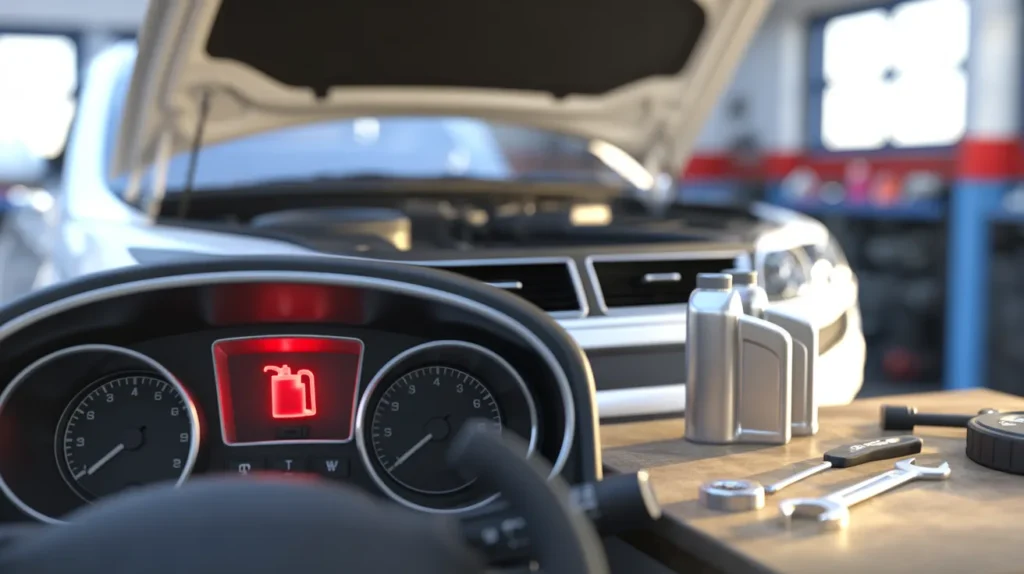
Ever finished an oil change only to see the oil pressure light on after oil change staring back at you from the dashboard? It’s a frustrating moment that leaves many drivers wondering if something went wrong—or worse, if their engine is at risk.
Oil pressure warnings can stem from several causes, ranging from simple service mistakes to sensor faults or real lubrication issues. For most car owners, it’s hard to know whether it’s safe to drive, what to check first, or when to call a professional.
This guide clears the confusion. You’ll discover the most common reasons behind the warning, how serious each one can be, and quick fixes you can try before visiting a mechanic. We’ll also cover practical troubleshooting steps, key warning signs to watch for, and expert tips to help protect your engine and avoid costly damage.
Table of Contents
Why Is My Oil Pressure Light On After Oil Change?
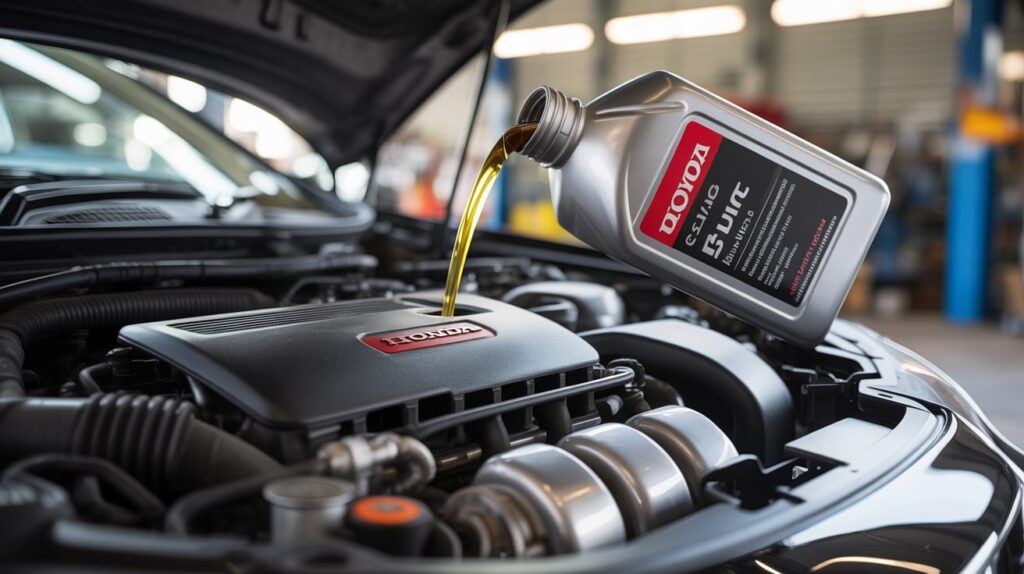
Seeing the oil pressure light on after an oil change can be frustrating, especially when you expected the service to improve performance rather than create a new problem. In many cases, the cause is something simple but important. An incorrect oil fill is one of the most common issues. If the engine oil level is too high, the oil can become aerated and lose its ability to build proper pressure. On the other hand, too little oil can immediately trigger a low oil pressure warning after startup.
Another common oil change mistake is using the wrong oil grade. Choosing the wrong viscosity, such as 5W30 instead of 10W30 (or vice versa), can prevent the oil from flowing and pressurizing correctly, especially during cold starts.
In some situations, the problem is circulation-related. Oil may not move properly if the filter wasn’t primed or installed tightly or if air is trapped in the oil system. When oil fails to circulate smoothly, pressure drops until the system stabilizes. The key is identifying the exact cause quickly before it leads to serious engine damage.
Common Mistakes During an Oil Change
It’s surprisingly common for the oil pressure light to turn on after a service, not because of internal engine damage, but because of a small mistake during the oil change. One of the most frequent problems is a loose or double oil filter gasket. If the old gasket sticks to the engine and a new filter is installed over it, oil can leak out quickly, causing an oil leak after an oil change and a sudden pressure drop. Even a slightly loose filter can create an oil filter issue by allowing oil to seep out or air to enter the system.
The drain plug is another common source of trouble. If it isn’t tightened correctly or the sealing washer is worn, oil may slowly escape while driving. Over time, this reduces pressure and may trigger a warning light. Using a cheap or bad oil filter can also restrict proper oil flow or fail internally. In some cases, drivers mistake this for an oil pressure sensor problem when the real cause is simply poor installation or low-quality parts.
Before assuming major engine damage, a careful inspection of these service-related areas is essential.
Can the Oil Pressure Sensor Be the Problem?
It’s frustrating when the oil pressure light stays on after an oil change, even though the oil level is correct and there are no visible leaks. In these situations, the problem may not be mechanical at all—it could be electrical. A faulty oil pressure sensor is one of the most common reasons for a false warning. Over time, the sensor can wear out, become clogged with debris, or send inaccurate readings, making the system believe pressure is low when it isn’t.
Wiring issues can cause similar confusion. A loose connector, corroded terminal, or damaged wire may interrupt communication between the sensor and the vehicle’s computer. When this happens, the system may trigger the dashboard warning light even if the engine is properly lubricated. In some cases, the issue may resemble an oil pressure switch failure or a broader engine sensor malfunction when the real cause is simply a faulty signal.
Because electrical problems can mimic serious engine trouble, scanning for diagnostic codes and verifying sensor data is the safest next step before assuming internal damage.
Is It Safe to Drive With Oil Pressure Light On?
When the oil pressure light comes on — especially after an oil change — it’s not something you should ignore. A steady light usually means pressure is below normal and needs attention soon, while a flashing light often signals a more urgent engine damage risk. In both cases, the engine may not be getting enough lubrication to safely protect internal components.
Driving with low oil pressure can quickly lead to serious problems. Without proper oil flow, metal parts begin rubbing together, which often results in engine knocking. If ignored, this can cause bearing damage as crankshaft and connecting rod bearings overheat and wear down. In more severe cases, the issue may be linked to oil pump failure symptoms, meaning oil isn’t circulating through the engine at all.
If the warning appears while driving — especially along with knocking noises or rising temperature — you should pull over and shut the engine off immediately. Continuing to drive even a short distance can turn a minor pressure issue into a major engine failure.
How to Fix Oil Pressure Light After Oil Change (Step-by-Step)
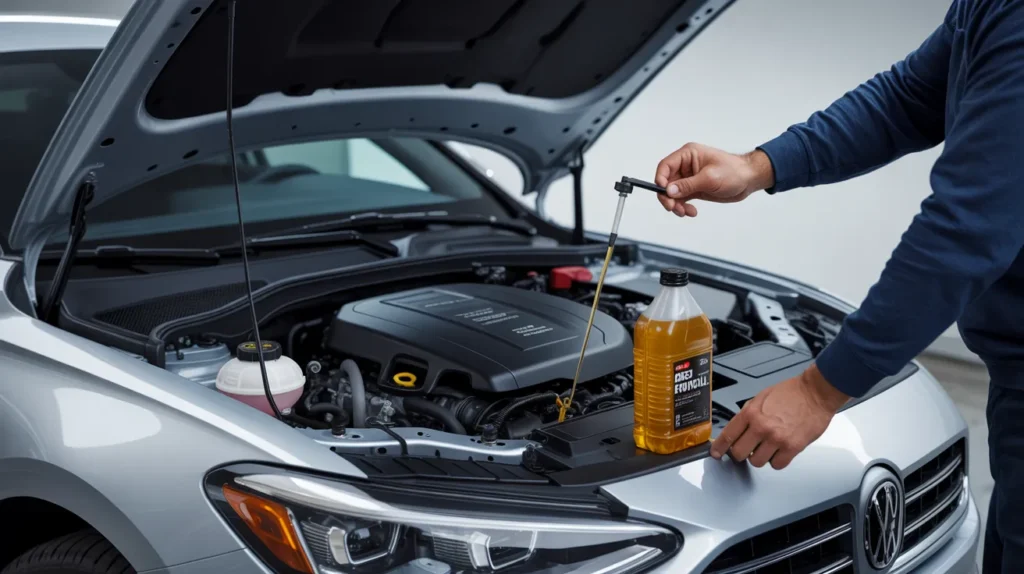
If the oil pressure light comes on after an oil change, the good news is that many causes can be checked quickly without special tools. Start by verifying the oil level the right way: park on level ground, switch off the engine, wait a few minutes, and then read the dipstick carefully. Too much or too little oil can trigger warnings, and this simple check often solves the problem.
Next, inspect the oil filter. Make sure it’s snug but not overtightened, and check for a pinched or double gasket, which can cause pressure loss. While inspecting, look around the filter housing and drain plug for any fresh drips or wet spots suggesting a small oil leak, which can gradually affect pressure.
If the mechanical checks are fine, try resetting the oil pressure light through the vehicle’s system, if your model allows it. Some temporary faults clear after a reset or short drive. If the warning persists, an OBD scanner to check engine oil pressure and stored codes can reveal sensor or wiring issues. Persistent alerts, unusual noises, or fluctuating readings may indicate the need for a deeper oil pump inspection.
When basic checks don’t resolve the issue, a professional evaluation is the safest move. A mechanic’s diagnosis cost is small compared to ignoring a real pressure problem, and early action can save your engine from serious damage.
Conclusion
Seeing the oil pressure light on after an oil change can be alarming, but in most cases, the cause is manageable once you know where to look. Common issues like incorrect oil level, filter problems, trapped air, or sensor faults are often easy to diagnose. The most important step is not ignoring the warning, since low oil pressure can quickly cause serious engine wear or failure. Start with the basics—verify the oil level, inspect for visible leaks around the filter and drain plug, and check the filter—then move on to scanning for fault codes if the light persists. If anything feels uncertain, having a trusted mechanic inspect your car is the safest choice. Prompt action now protects your engine and gives you peace of mind on the road.
FAQs
Why did my oil pressure light come on right after an oil change?
It’s often caused by an incorrect oil level, a loose oil filter, or trapped air in the system. Start by rechecking the dipstick and inspecting around the filter and drain plug for leaks.
Can I drive with the oil pressure light on if the engine seems normal?
It’s risky. Low oil pressure can damage bearings even before noise appears. Stop, check the oil level, and confirm there’s no leak or filter issue before continuing.
Could a bad oil filter trigger low oil pressure?
Yes. A clogged, cheap, or incorrectly installed oil filter can restrict flow or leak internally, reducing pressure. Replacing it with a quality filter often resolves the issue quickly.
How do I know if the oil sensor is the problem?
If the oil level and filter look fine, but the oil pressure light stays on, the sensor or wiring may be faulty. Scanning for fault codes helps confirm whether the warning is electrical.
What should I check first when the oil pressure light appears?
Start with the basics: verify the oil level on level ground, inspect for leaks, and check the oil filter tightness. These quick checks solve many pressure warnings without major repairs.
Looking to improve engine performance and protect your synthetic oil? Check out our top picks for the best oil additives for synthetic oil and learn which products can keep your engine running smoothly.
Not sure which engine oil is ideal for your Toyota Corolla 1.8 Petrol? Discover our expert-recommended best engine oils to ensure optimal performance and long-lasting engine protection.