
Introduction
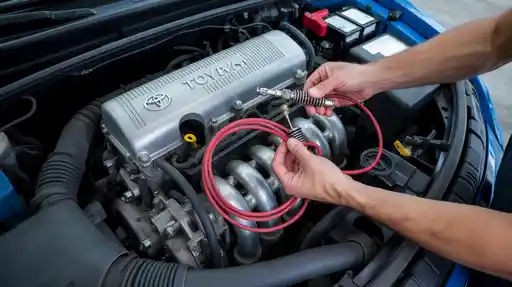
Are you experiencing engine misfires, rough idling, or poor acceleration in your Toyota Camry? These common issues often point to worn ignition components and may mean it’s time for a Toyota Camry spark plug wires replacement. Many Camry owners feel unsure about when to replace spark plug wires, which ones are compatible, or how to install them correctly.
This guide explains the process in a simple, beginner-friendly way. You’ll learn how spark plug wires work, how to spot warning signs, and how to choose the right replacement for your Camry. We’ll also cover step-by-step DIY instructions, common mistakes to avoid, cost differences between DIY and professional service, and helpful maintenance tips.
By the end of this article, you’ll clearly understand how to handle Toyota Camry spark plug wire replacement safely and confidently—whether you decide to do it yourself or visit a mechanic.
Table of Contents
How Spark Plug Wires Work in Your Engine
Spark plug wires are flexible, insulated cables that play a key role in your vehicle’s ignition system. Their main function is to carry high-voltage electricity from the ignition source—such as a distributor or ignition coil—to the spark plugs.
When you start the engine, the ignition system generates a powerful electrical charge. Spark plug wires safely deliver this electricity to each spark plug at the correct time. Once the charge reaches the spark plug, it creates a spark that ignites the air-fuel mixture inside the engine. This process, known as engine combustion, is what allows the engine to produce power.
Properly working spark plug wires are essential for smooth performance. If the wires are worn or damaged, electrical flow can be disrupted, leading to engine misfires, rough idle, poor acceleration, and reduced fuel efficiency. Maintaining good spark plug wires helps ensure reliable and efficient engine operation.
Spark Plug Wires vs Ignition Coils: What Your Toyota Camry Uses
Spark plug wires and ignition coils are both essential parts of the ignition system, but they work differently. Spark plug wires are insulated cables that carry high-voltage electricity from a single ignition source to each spark plug. Ignition coils, however, generate and deliver that electrical power directly.
Older Toyota Camry models typically use spark plug wires along with a distributor or coil pack. These wires transfer electricity to the spark plugs to start engine combustion. Many newer Camry models use a coil-on-plug (COP) ignition system, where each spark plug has its own ignition coil mounted directly on top. Since the coil sits on the spark plug, traditional spark plug wires are no longer required.
To quickly identify which system your Camry uses, open the hood. Visible thick rubber wires indicate spark plug wires, while individual ignition coils attached to each spark plug indicate a COP system.
Bad Spark Plug Wires Symptoms You Shouldn’t Ignore

Worn or damaged spark plug wires can significantly affect your Toyota Camry’s performance. One of the most common signs is an engine misfire, causing the engine to run unevenly or jerk during acceleration. A rough idle is another warning, where the engine shakes or vibrates while stopped.
Poor acceleration may also occur, with a sluggish response when pressing the gas pedal. Faulty spark plug wires can reduce fuel efficiency because the engine isn’t combusting fuel properly. In some cases, ignition issues caused by bad wires can trigger the check engine light. You might also notice engine hesitation or occasional stalling, especially in cold or damp conditions.
Replacing spark plug wires on time helps maintain smooth engine performance, prevents further ignition problems, and avoids costly repairs in the future.
What Happens If You Delay Spark Plug Wires Replacement?
Delaying spark plug wire replacement on your Toyota Camry can cause several issues. Worn or damaged wires disrupt the ignition system, leading to engine misfires, rough idling, poor acceleration, and reduced fuel efficiency.
Old spark plug wires also put extra stress on other components like spark plugs and ignition coils, causing them to wear faster. In severe cases, persistent misfires can damage the catalytic converter, resulting in costly repairs.
Ignoring replacement increases the risk of long-term engine problems. Following a preventive maintenance schedule and replacing spark plug wires on time ensures smooth driving, reliable engine performance, and better fuel economy, helping you avoid unnecessary expenses and headaches.
When Should You Replace Spark Plug Wires on a Toyota Camry?
The typical spark plug wire lifespan for a Toyota Camry is between 60,000 and 100,000 miles, or roughly 5 to 7 years, depending on driving conditions. While manufacturer recommendations provide a baseline, real-world factors—like frequent stop-and-go traffic, extreme temperatures, or high humidity—can cause wires to wear out sooner.
Early replacement may be needed if you notice engine misfires, rough idle, poor acceleration, or decreased fuel efficiency. These signs indicate the ignition system isn’t delivering electricity effectively to the spark plugs.
Following your Toyota Camry maintenance schedule and inspecting spark plug wires periodically helps maintain reliable engine performance. Timely replacement prevents misfires, reduces stress on other components, and keeps your Camry running smoothly, avoiding costly repairs in the long run.
Tools, Parts, and Safety Preparation
Before starting a DIY spark plug wire replacement on your Toyota Camry, it’s essential to gather the right tools. Basic tools include pliers, a socket wrench, and a spark plug wire puller if needed. A clean rag and dielectric grease can also make installation easier.
Choosing the correct spark plug wires is crucial. Check your Camry’s model year and engine type, then select wires that match those specifications. OEM wires from Toyota ensure a perfect fit, while aftermarket options are more affordable but can vary in quality.
Always follow safety precautions. Ensure the engine is turned off and has fully cooled before you begin. Wear gloves to protect your hands and avoid touching hot engine parts. Taking these steps ensures a safe and successful spark plug wire replacement.
Step-by-Step Toyota Camry Spark Plug Wires Replacement Guide
1. Prepare the engine.
Park your Toyota Camry on a flat surface, turn off the engine, and allow it to cool completely. Open the hood, locate the spark plug wires, and wear gloves for safety. Keep loose clothing away from engine components.
2. Label the spark plug wires.
Before removing any wires, label each one or take a clear photo. This helps maintain the correct firing order, which is essential for proper engine operation.
3. Remove old wires one at a time.
Remove spark plug wires one at a time by gripping the boot—not the wire itself. This prevents wire mix-ups during Toyota Camry spark plug wire replacement.
4. Inspect ignition components.
Check the spark plugs and nearby ignition system parts for wear, oil, or damage. Replace spark plugs if necessary.
5. Install new spark plug wires.
Match each new wire to the old one by length. Press the wire firmly onto the spark plug and ignition source until it clicks securely.
6. Check routing and connections.
Ensure the wires follow the original path and avoid contact with hot or moving parts.
7. Start the engine and test
Start the engine and check that it runs smoothly at idle. Proper installation restores engine performance and completes this DIY car maintenance task.
Common Mistakes to Avoid During Spark Plug Wire Replacement
One of the most common DIY car maintenance mistakes is removing all spark plug wires at once. This often leads to mixing up the firing order, which can cause engine misfires or even prevent the engine from starting. Replace each spark plug wire individually to avoid confusion.
Another common mistake is pulling on the wire itself instead of the boot. Doing so can damage the cable and weaken the connection in the ignition system. Always grip and gently twist the boot before removing it.
Incorrect wire routing is also an issue. Wires placed too close to hot engine parts or moving components can melt, wear out quickly, or cause misfires. Make sure the new wires follow the original routing path.
Finally, ensure each wire boot is fully seated. Loose connections interrupt electrical flow, and reusing cracked or oil-soaked wires can quickly undo your repair work.
Spark Plug Wire Replacement Cost Breakdown
DIY Spark Plug Wire Replacement Cost
For Toyota Camry models that use spark plug wires, DIY replacement is usually affordable. The main expense is the spark plug wire set, along with basic supplies such as gloves or dielectric grease. Since this is a simple DIY car maintenance task, there are no labor charges, making it the most cost-effective option for many owners.
Mechanic or Dealership Replacement Cost
Professional replacement includes both parts and labor, which increases the overall Toyota Camry repair cost. Labor charges vary based on local rates, engine layout, and whether you choose an independent mechanic or a dealership. Dealership service typically costs more but may offer added peace of mind. Professional replacement is a good option if you’re unsure about the firing order, lack tools, or prefer guaranteed workmanship.
Overall, costs vary by model and wire quality, but DIY replacement can save a noticeable amount compared to professional service.
How Spark Plug Wires Affect Engine Performance
Spark plug wires play a crucial role in engine performance by delivering electrical power through the ignition system to the spark plugs. When the wires are in good condition, they provide a strong, consistent spark that allows smooth and complete engine combustion.
Worn or damaged wires weaken this electrical flow, often leading to engine misfires. These misfires can cause rough idle, hesitation, and poor acceleration, making the vehicle feel sluggish or unstable. Incomplete combustion also forces the engine to work harder, which can reduce fuel efficiency.
As spark plug wires age, cracks or internal wear may interfere with proper ignition timing. Replacing them on time restores reliable spark delivery, improves engine smoothness, and enhances throttle response. Timely replacement also reduces strain on other ignition components, helping the engine run efficiently and consistently over the long term.
Tips to Extend Spark Plug Wire Lifespan
Proper spark plug wire care helps keep your Toyota Camry’s engine running smoothly and reduces future repairs. Start with correct installation—push wire boots firmly onto the spark plugs and ignition source until secure. Loose connections can weaken the ignition signal.
Keep wires clean and dry. Oil, dirt, or moisture can damage insulation and affect engine performance. Wipe them gently with a clean cloth during routine inspections.
Ensure wires are routed correctly and kept away from hot engine parts or moving components. Heat and friction can shorten wire life. Regular visual inspections help catch cracks, brittleness, or wear before problems arise.
Pairing spark plug wire replacement with spark plug maintenance supports overall ignition system care, extending wire lifespan and ensuring consistent performance with fewer ignition-related issues over time.
Conclusion
Proper Toyota Camry spark plug wires replacement is essential for keeping your engine running smoothly and efficiently. Worn or damaged wires can disrupt the ignition system, causing engine misfires, rough idle, poor acceleration, and reduced fuel efficiency. Timely replacement restores consistent engine performance and reduces unnecessary stress on other ignition components.
Whether you tackle the replacement as a DIY project or hire a professional, following the steps and tips in this guide makes the process straightforward and reliable. Regular inspection and preventive maintenance are small efforts that yield long-term benefits. By staying proactive with spark plug wire care, you ensure dependable performance, smoother driving, and improved overall engine health for your Toyota Camry.
FAQs
1. How do I know if my Toyota Camry uses spark plug wires?
Open the hood and look at the ignition system. If you see thick rubber wires running from a distributor or coil pack to each spark plug, your Camry uses spark plug wires. If each spark plug has its own ignition coil mounted directly, it uses a coil-on-plug system without traditional wires.
2. What are the signs of bad spark plug wires?
Common signs include engine misfires, rough idle, poor acceleration, hesitation during throttle input, and reduced fuel efficiency. Worn or damaged wires can also trigger the check engine light, especially in damp or cold conditions.
3. When should spark plug wires be replaced?
Most Toyota Camry spark plug wires last between 60,000 and 100,000 miles. Early replacement may be necessary if you notice misfires, rough idle, or poor acceleration before the recommended interval.
4. Are Toyota Camry spark plug wire replacements DIY-friendly?
Yes, it’s beginner-friendly if you replace wires one at a time, follow the correct firing order, and ensure proper routing. Proper tools and safety precautions make the process easier.
5. Can worn spark plug wires affect engine performance?
Absolutely. Worn or damaged wires weaken the ignition system, leading to misfires, rough idle, sluggish acceleration, and decreased fuel efficiency. Timely replacement helps restore smooth engine performance.
If you want a reliable solution for battery emergencies, check out our guide on the Best Battery Charger and Jump Starter Combo in 2025 to see top picks and key features.
To protect your leather seats from daily wear and spills, explore our article on the Best Car Seat Protectors for Leather Seats for the best options and buying tips.