Introduction
Are you noticing your car feels sluggish or hesitates when you press the gas? You might be wondering, do spark plugs affect acceleration, and could they be the reason your vehicle isn’t performing at its best? Many drivers overlook spark plugs until issues like slow pickup, misfires, or poor fuel efficiency become noticeable.
Understanding how spark plugs impact engine performance can be confusing, especially with so many types and brands on the market. This guide will help you identify the signs of failing spark plugs and show practical solutions to restore smooth acceleration.
In this article, you’ll learn how spark plugs influence horsepower, fuel efficiency, and throttle response. We’ll cover symptoms of bad spark plugs, causes of acceleration problems, expert maintenance tips, and recommendations for the best plugs to improve performance. By the end, you’ll know exactly how to keep your engine running strong and responsive.
Table of Contents
Understanding the Role of Spark Plugs in Engine Performance
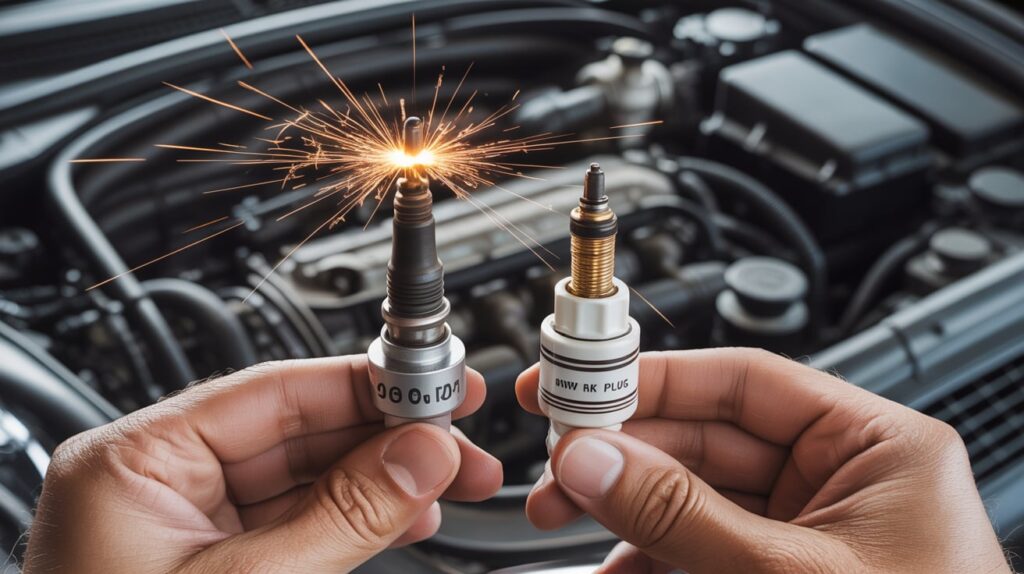
Spark plugs may be small, but they play one of the most important roles in how your engine runs. Every time you press the accelerator, your engine depends on the spark plugs to ignite the air–fuel mixture at the perfect moment. This tiny spark is what starts the combustion process, and without it, your engine cannot create power. That’s why understanding spark plugs and engine performance is essential for any driver.
What Spark Plugs Do Inside the Engine
Inside each cylinder, fuel and air mix together. The spark plug sits at the top of the combustion chamber and delivers a high-voltage spark that ignites this mixture. This explosion pushes the piston down, generating engine power.
This process happens thousands of times per minute, so spark plugs must deliver a consistent spark for the engine to run smoothly.
How Spark Plugs Support Smooth Combustion and Power Delivery
Good spark plugs help ensure that every ignition cycle happens cleanly and on time. When the spark is strong and consistent, the engine maintains smooth combustion. This results in:
- Steady idling
- Balanced engine operation
- Strong and reliable power output
Because combustion happens efficiently, the engine doesn’t need to work harder than necessary, which also improves fuel efficiency.
How Spark Strength Affects Acceleration and Throttle Response
Acceleration depends heavily on how quickly and cleanly the engine can burn fuel. If the spark plug produces a strong, precise spark, the air–fuel mixture burns completely. This leads to:
- Better throttle response
- Faster pickup when accelerating
- More consistent engine performance under load
This is why fresh or high-quality spark plugs often make the vehicle feel more lively and responsive.
Why Weak or Worn Spark Plugs Reduce Performance
Over time, spark plugs wear out. The electrode can erode, carbon may build up, and the spark gap may widen. When this happens, the plug produces a weaker spark. A weak spark causes:
- Engine misfires
- Shaky or rough idling
- Sluggish acceleration
- Poor fuel economy
- Difficulty starting the engine
Because the combustion process becomes incomplete or delayed, the engine loses efficiency and power. In severe cases, the vehicle may hesitate, jerk, or fail to accelerate properly.
In simple terms, healthy spark plugs are essential for strong engine performance, smooth ignition, and good fuel efficiency. If your spark plugs are worn or weak, they can easily disrupt the entire ignition system—leading to poor acceleration, misfires, and reduced mileage.
Do Spark Plugs Affect Acceleration? (Short, Clear Answer)
Yes—spark plugs directly affect acceleration. If they aren’t firing properly, your engine can’t produce the power needed for quick, smooth pickup.
Spark plugs play a key role in acceleration because they ignite the air–fuel mixture that creates engine power. When the spark is strong and timed correctly, combustion happens efficiently, leading to better throttle response and improved engine performance. But when spark plugs are worn, dirty, or weak, they produce a weak spark that can’t burn the fuel completely.
This weak or delayed ignition causes common acceleration problems such as hesitation, slow pickup, rough running, and even misfire under load. On the other hand, good spark plugs help maintain clean combustion, consistent power delivery, and smoother acceleration—especially during hard acceleration, climbing, or merging onto highways.
In simple terms: healthy spark plugs = stronger acceleration. Worn spark plugs = sluggish performance.
Symptoms of Bad or Failing Spark Plugs
When spark plugs begin to wear out, the engine quickly shows noticeable signs. The most common bad spark plug symptoms include slow or weak acceleration, where the vehicle struggles to pick up speed because the spark isn’t strong enough to ignite the fuel properly. Drivers may also experience a rough idle or shaking, especially when stopped, due to inconsistent firing.
Another major sign is frequent engine misfire, which can cause jerking, hesitation, or poor performance under load. Failing plugs also lead to poor fuel economy, as unburned fuel gets wasted during incomplete combustion. In many cases, drivers may face hard starting, or the check engine light may turn on due to misfire-related error codes.
If you notice any of these symptoms, inspecting or replacing the spark plugs is the quickest and most effective fix.
Causes Behind Acceleration Problems Linked to Spark Plugs
Several spark-plug-related issues can lead to noticeable acceleration problems. The most common cause is worn or old spark plugs, which produce a weaker spark and fail to ignite the air–fuel mixture properly. This results in hesitation, slow pickup, and reduced engine responsiveness.
Another major factor is an incorrect spark plug gap. If the gap is too wide or too narrow, the spark becomes inconsistent, leading to misfires and poor acceleration. Carbon-fouled plugs or oil-coated plugs also disrupt combustion by blocking the spark, especially during hard acceleration. Lastly, using the wrong type of spark plug—whether the heat range or design doesn’t match your engine—can cause weak spark, rough performance, and persistent acceleration issues.
Fixing these spark plug problems is an easy way to restore smooth, strong acceleration.
How to Diagnose Spark-Plug-Related Acceleration Issues
Diagnosing spark-plug-related acceleration problems is simple if you know what to look for. Start with a visual spark plug inspection—remove the plugs and check for carbon buildup, oil fouling, worn electrodes, or a damaged tip. These signs often point to weak spark symptoms that affect acceleration.
Next, pay attention to how the car feels while driving. If you notice shaking, hesitation, or jerking during acceleration, you may be experiencing an engine misfire, especially under load. For a quick confirmation, use an OBD2 scanner to check for misfire codes (such as P0300–P0304), which strongly indicate bad spark plugs or ignition issues.
If the symptoms continue after basic checks—or if you’re unsure—visit a mechanic for a full engine misfire diagnosis. A professional can inspect ignition coils, fuel injectors, and other components that may contribute to acceleration problems.
How Spark Plugs Affect Horsepower and Fuel Efficiency
Spark plugs play a direct role in both horsepower and fuel efficiency because they control how effectively the engine burns fuel. When spark plugs are weak or worn, they create a small or inconsistent spark, leading to incomplete combustion. This results in horsepower loss, sluggish acceleration, and overall reduced engine performance.
Upgraded or high-quality spark plugs deliver a stronger, cleaner spark, which improves combustion quality and helps the engine generate power more efficiently. This leads to smoother acceleration and more consistent power delivery, especially under load.
Better combustion also means less wasted fuel. When the air–fuel mixture burns completely, the engine becomes more efficient, improving mileage. In simple terms, strong spark plugs boost horsepower while also supporting better fuel efficiency.
Best Spark Plugs for Better Acceleration
Choosing the right spark plug type can make a noticeable difference in better acceleration and overall engine response. Iridium spark plugs are the top choice for strong ignition and performance because iridium tips create a powerful, consistent spark. This leads to faster throttle response and smoother acceleration, especially in modern engines.
For everyday driving, platinum spark plugs are a great balance of performance and durability. They offer reliable ignition, good fuel efficiency, and a longer lifespan than copper plugs.
Copper spark plugs provide the strongest spark of all types, which can improve acceleration in some engines. They have a shorter lifespan and must be replaced more often. Performance-focused drivers sometimes use performance spark plugs designed to enhance ignition strength and power delivery.
In short, iridium plugs deliver the best acceleration boost, platinum plugs suit daily drivers, and copper plugs offer a strong spark but short longevity.
When to Replace Spark Plugs
Knowing when to replace spark plugs is key to keeping your engine running smoothly. In most vehicles, the spark plug replacement interval depends on the plug type: copper plugs last around 20,000–30,000 miles, platinum plugs last 50,000–60,000 miles, and iridium plugs can last 80,000–100,000+ miles.
Replace your spark plugs immediately if you notice warning signs like engine misfires, poor acceleration, rough idling, hard starting, or a sudden drop in fuel economy. These symptoms often mean the plugs are worn, fouled, or no longer sparking correctly.
Timely replacement prevents misfires, protects engine components, and restores full power and fuel efficiency—making your car run smoother and stronger.
Fixing Acceleration Problems Caused by Spark Plugs
Restoring smooth acceleration often starts with addressing spark plug issues. The first step is to replace old or worn spark plugs with the correct type for your engine. After replacement, check the spark plug gap and adjust it if needed to ensure a strong, consistent spark for better combustion.
Next, inspect and clean or replace the air filter to maintain proper airflow, which helps the engine burn fuel efficiently. Performing fuel system cleaning can also remove deposits that hinder performance. Finally, resetting the ECU after spark plug replacement allows the engine to adapt to the new plugs, optimizing engine performance and improving throttle response.
By following these simple steps, most spark-plug-related acceleration problems can be quickly resolved.
Preventive Maintenance Tips to Avoid Acceleration Loss
Preventing acceleration problems starts with regular spark plug maintenance and simple engine care habits. Using high-quality fuel ensures cleaner combustion, which supports consistent engine power and better fuel efficiency. Always follow the vehicle’s recommended maintenance schedule to replace spark plugs, filters, and fluids on time.
Regularly inspect ignition components like coils and wires to catch issues before they affect engine performance. Keep air and fuel delivery systems clean, and make sure sensors are functioning properly to maintain smooth acceleration. These simple steps help avoid misfires, weak spark, and slow pickup, keeping your engine running efficiently and responsively.
Expert Tips for Maximizing Acceleration & Engine Performance
To achieve better acceleration and optimal engine performance, start by selecting the correct spark plug type for your vehicle. Replace spark plugs at the recommended intervals to ensure consistent combustion and prevent misfires. When changing plugs, also inspect ignition coils, as worn coils can reduce spark strength and throttle response.
Using OEM-quality spark plugs guarantees reliable performance and longevity. Additionally, maintain clean fuel and air delivery systems to support efficient combustion. Following these simple practices keeps your ignition system in top shape, helping your engine deliver smooth power and responsive acceleration.
Conclusion
Spark plugs play a crucial role in engine performance, directly affecting acceleration, horsepower, and fuel efficiency. Worn or faulty plugs can cause acceleration problems, engine misfire, rough idling, and reduced mileage, making your car feel sluggish and less responsive.
By performing timely spark plug replacement or upgrading to high-quality plugs, drivers can restore smooth combustion, stronger power delivery, and improved throttle response. Maintaining healthy spark plugs is one of the simplest and most effective ways to keep your engine running efficiently and ensure consistent, reliable performance on the road.
FAQs
Q1: Can spark plugs really cause slow acceleration?
Yes. Worn or faulty spark plugs produce a weak spark, causing engine misfire, hesitation, and slow acceleration.
Q2: How do I know if my spark plugs are bad?
Common spark plug symptoms include rough idling, poor throttle response, engine misfires, and reduced fuel efficiency.
Q3: Will new spark plugs improve fuel efficiency?
Yes. Replacing old plugs ensures complete combustion, which improves fuel efficiency and restores smooth engine performance.
Q4: Do spark plugs affect horsepower?
Absolutely. Strong, properly functioning spark plugs optimize combustion, helping maintain engine horsepower and better acceleration.
Q5: How often should I replace spark plugs to avoid acceleration problems?
Follow your vehicle’s recommended interval, typically 20k–30k miles for copper, 60k miles for platinum, and 80k–120k miles for iridium plugs. Timely replacement prevents misfires and sluggish performance.
If you’re looking for a powerful handheld vacuum that traps dust, allergens, and fine particles with a true HEPA filter, then don’t miss this guide. Check out this article to see the best handheld vacuums with HEPA filters for cleaner air and better home hygiene.
If you want to upgrade your vehicle with advanced safety features like lane assist, blind-spot alerts, and forward-collision warnings, this guide is for you. Check out this article to explore the best aftermarket ADAS systems that can instantly boost your driving safety.