
Introduction
Have you ever noticed your engine oil turning dark just weeks after an oil change and wondered, why engine oil turns black quickly? Many car owners face this issue and often aren’t sure whether it’s normal or a sign of a bigger problem.
Engine oil naturally darkens as it traps dirt and carbon, but poor oil quality, engine issues, or driving habits can make it turn black faster. Choosing the right oil and maintaining it properly is key to keeping your engine healthy.
In this guide, we’ll explain the main reasons your oil darkens quickly, the potential problems caused by dirty or contaminated oil, and practical tips to prevent issues. You’ll also learn how to check oil condition, pick the right oil, and keep your engine running smoothly.
Table of Contents
Is It Normal for Engine Oil to Turn Black Quickly?
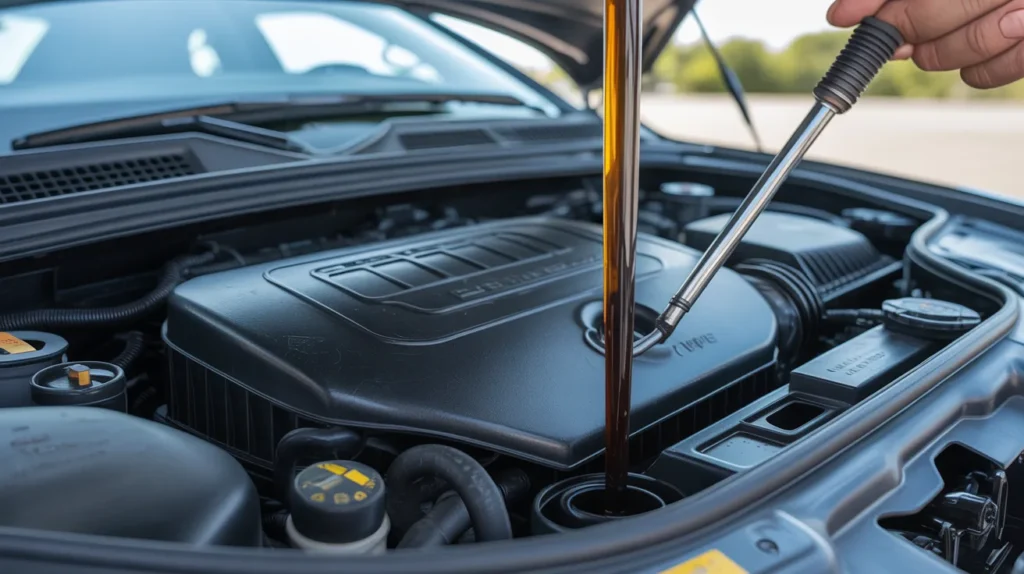
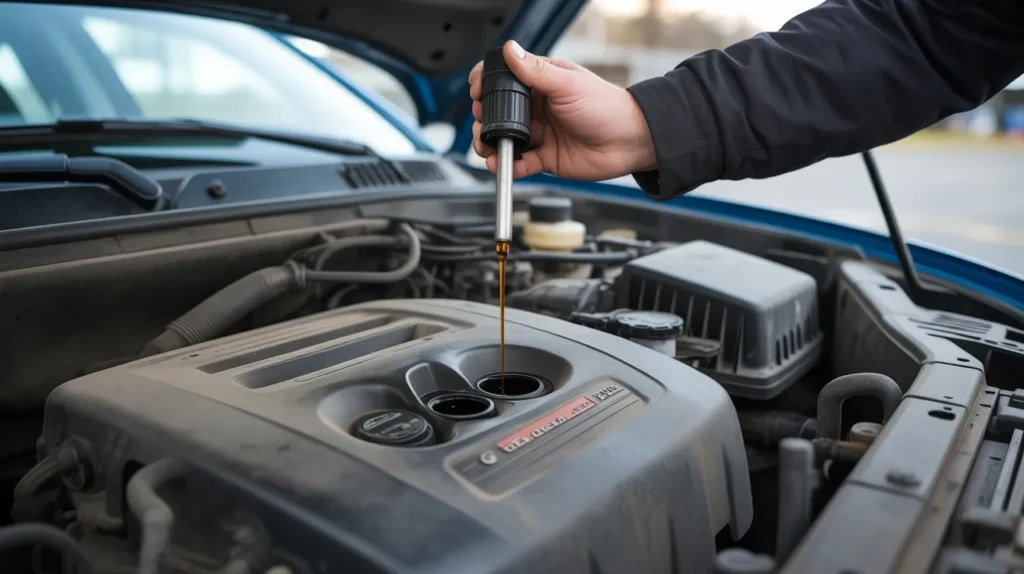
Yes, it is usually normal for engine oil to turn black quickly. Fresh engine oil typically starts with a light amber color, but as soon as the engine begins running, the oil starts collecting carbon particles and combustion byproducts. This color change is a normal part of how engine oil works and often shows that the oil is doing its job properly.
During the combustion process, tiny carbon deposits mix with the oil as it circulates through the engine. Modern engine oils contain detergent additives that trap dirt, sludge, and contaminants to prevent buildup on engine components. When these additives work effectively, the oil may darken faster, which helps explain the true engine oil color, meaning that many drivers misunderstand.
The difference between fresh and dirty engine oil is not based on color alone. Dark or black oil can still protect the engine if it remains smooth and flows easily. However, oil may become a problem if it turns thick and gritty, develops a burnt smell, or starts affecting overall engine performance.
Main Causes Why Engine Oil Turns Black Quickly
Engine oil ka jaldi black hona aksar normal hota hai, lekin iske peeche ke causes samajhna zaroori hota hai. Jab drivers ko pata hota hai ke oil color change kis wajah se ho raha hai, to wo asaani se decide kar sakte hain ke ye normal condition hai ya kisi mechanical issue ki warning sign.
Carbon and Dirt Buildup
Engine ke andar fuel burn hone ke dauran carbon particles generate hote hain. Ye tiny carbon deposits aur road dust engine oil ke sath mix ho jate hain, jis se oil ka color dark ho jata hai. Ye reasons engine oil gets dirty fast me sab se common factor mana jata hai, especially older engines me jahan carbon buildup zyada hota hai.
Poor Combustion Process
Agar engine me fuel properly burn nahi hota, jaise weak spark plugs, clogged injectors, ya incorrect air-fuel mixture ho, to extra soot oil me enter ho jata hai. Isi wajah se kai drivers oil turning black after oil change notice karte hain, jo incomplete combustion ka signal ho sakta hai.
Low-Quality or Wrong Engine Oil
Low-quality oil ya incorrect viscosity engine heat aur contaminants ko effectively handle nahi kar pati. Aisa oil jaldi degrade hota hai aur apni protective properties lose kar deta hai, jis se oil jaldi black ho jata hai.
Driving Habits and Conditions
Short trips, heavy city traffic, aggressive acceleration, or extreme temperature conditions put extra pressure on engine oil. Aisi conditions me oil contaminants properly burn off nahi hote, jis se oil jaldi dark ho jata hai.
Engine Problems or Oil Contamination
Fuel dilution, coolant leaks, and worn internal engine parts are major engine oil contamination causes me shamil hote hain. Agar oil ka texture change ho jaye, burnt smell aaye, ya oil unusual thickness show kare, to engine inspection karwana zaroori hota hai.
Does Black Engine Oil Mean You Need an Immediate Oil Change?
Black engine oil dekh kar ghabrana zaroori nahi hai. Sirf oil ka color hi uski condition decide nahi karta. Aksar oil dark is liye hota hai kyunki wo engine ke andar dirt aur carbon particles ko trap karke engine parts ko clean kar raha hota hai.
Oil Color vs. Oil Performance
Engine oil ka black hona normal ho sakta hai jab tak wo engine ko effectively lubricate kar raha ho. Modern oils contaminants ko hold karte hain, is liye color change hona hamesha problem nahi hota. Oil ka kaam sirf color maintain karna nahi, balki engine ko protect karna hai.
Signs Engine Oil Needs Changing
Oil thick, gritty feel kare, burnt smell aaye, ya engine zyada noise kare, to ye clear signs hain ke oil change ki zarurat hai. Dashboard ki oil warning light ko ignore nahi karna chahiye. Ye simple signs engine oil condition ko judge karne me sab se reliable hote hain.
Importance of Oil Change Intervals
Manufacturer-recommended oil change intervals follow karna engine health ke liye bohat zaroori hai. Late oil changes se sludge formation aur engine wear ka risk barh jata hai, jo long-term me expensive repairs ka sabab ban sakta hai.
How to Check Engine Oil Condition
Engine oil condition check karna simple hai. Dipstick use karke oil ka level aur color check karein, oil ko fingers ke darmiyan rub karke texture feel karein, aur smell notice karein. Sirf color par rely na karein; texture aur smell zyada important hote hain.
Problems Caused by Dirty or Contaminated Engine Oil
Dirty or contaminated engine oil can quietly harm your engine over time. When oil loses its ability to lubricate and clean, it causes several bad engine oil effects that affect performance, fuel efficiency, and overall engine life.
Increased Engine Wear
Clean oil forms a protective layer between moving parts. When oil gets dirty, this layer weakens, causing metal parts to rub against each other. This increases friction and wear. Louder engine noise, especially during cold starts, is a common dirty engine oil symptom.
Reduced Fuel Efficiency
Dirty oil doesn’t flow smoothly, making the engine work harder. This extra effort burns more fuel, so many drivers notice reduced mileage when the oil condition worsens. Poor fuel economy is often an early warning sign.
Higher Risk of Engine Overheating
Engine oil helps control heat. Contaminated or broken-down oil can’t carry heat away efficiently, raising engine temperature and increasing the risk of overheating, especially in heavy traffic or hot weather.
Sludge Formation
Sludge buildup is one of the most serious problems. Engine sludge causes include infrequent oil changes and contaminated oil thickening over time. Oil sludge can clog internal passages, limit proper circulation, and eventually cause serious engine damage if left untreated.
Keeping engine oil clean and changing it on time prevents these issues, ensuring your engine runs smoothly and lasts longer.
How to Prevent Engine Oil from Turning Black Too Fast
Keeping engine oil clean for longer helps your engine perform better and last longer. Here’s how to prevent engine oil from turning black too quickly:
Use high-quality synthetic oil, which resists breakdown and keeps your engine cleaner. Change oil and filters regularly according to your car’s recommended schedule—this is one of the most important engine oil maintenance tips.
Choose the correct oil viscosity to ensure smooth flow and proper lubrication. Stay on top of routine engine maintenance, such as checking air filters and spark plugs, to reduce soot and dirt in the oil.
Finally, improve your driving habits by avoiding short trips, aggressive driving, and extreme conditions. These simple steps help your engine oil stay effective and your engine healthy.
Conclusion
Understanding why engine oil turns black quickly helps you know what’s normal and what may signal a problem. Oil naturally darkens due to carbon and dirt, but poor-quality oil, engine issues, and driving habits can speed up the process. Dirty oil can lead to increased wear, overheating, and sludge buildup.
Black engine oil isn’t always a concern, but proper maintenance is essential. Use high-quality oil, follow recommended change intervals, and stay on top of routine engine checks.
By monitoring your oil condition and driving responsibly, you can prevent engine oil problems and keep your engine running smoothly for years to come.
FAQs
Is it normal for oil to turn black fast?
Yes, engine oil naturally darkens as it traps carbon and dirt during normal engine operation. This is usually not a problem if the oil is still smooth and flowing properly.
Does dark engine oil indicate it’s time for a change?
Not always. Check the oil’s texture, smell, and performance—if it feels gritty, smells burnt, or affects engine performance, it’s time for a change.
What are the signs of dirty or contaminated oil?
Thick or gritty oil, a burnt smell, increased engine noise, and poor performance are common dirty engine oil symptoms.
Can driving habits affect how fast oil turns black?
Yes, frequent short trips, heavy stop-and-go traffic, and aggressive driving can cause oil to darken faster than normal.
How can I prevent oil from turning black too quickly?
Use high-quality oil, follow manufacturer-recommended change intervals, maintain your engine regularly, and choose the correct oil viscosity.
Wondering which engine oil is best for your petrol car? From synthetic to high-mileage options, we break down the top choices, performance benefits, and tips to keep your engine running smoothly. Read this guide to find the perfect engine oil for your vehicle and boost its lifespan!
Looking for the right oil type for your Chevy Silverado 1500 5.3? Learn the recommended engine oil, viscosity, and maintenance tips to ensure peak performance and engine longevity. Read this guide to make sure your truck gets the best care!

