
Introduction
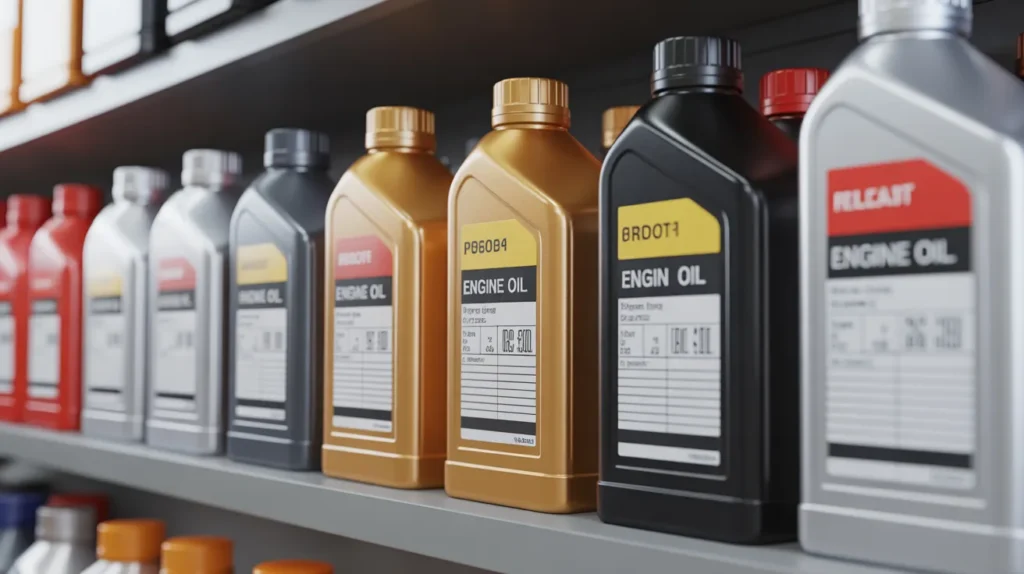
Are you wondering about your unopened motor oil bottles and asking, “How long can I safely keep them?” Understanding engine oil shelf life unopened is essential for every car owner, yet it’s often overlooked. Using old or improperly stored oil can reduce engine protection, accelerate additive breakdown, and lead to oil degradation—leaving you unsure if your oil is still safe for use.
In this comprehensive guide, we’ll cover how long conventional and synthetic oils last, the key factors that affect their longevity, and how to identify if your oil has gone bad. You’ll also find practical motor oil storage tips, expert advice on using older oil safely, and guidance on checking manufacturing dates.
By the end of this guide, you’ll have the knowledge to store, assess, and use your engine oil confidently, ensuring maximum performance and protection for your engine.
Table of Contents
What Is the Shelf Life of Unopened Engine Oil?
Average Shelf Life (Conventional vs. Synthetic)
If you’re asking how long engine oil lasts unopened, the answer depends on the oil type and storage conditions. In most cases, the conventional oil storage life is around 3 to 5 years when the bottle remains sealed and stored in a cool, dry environment.
The synthetic oil shelf life is generally longer—often 5 years or more. Synthetic formulations use highly refined base oils and advanced additives, which resist oxidation and chemical breakdown better than conventional blends.
However, manufacturer recommendations should always be your final reference point. Checking the oil expiration date or production code on the bottle helps ensure the oil will still deliver proper lubrication and performance.
Does Engine Oil Expire If Sealed?
Yes, unopened motor oil can expire over time. Even though the container is sealed, the additives inside the oil gradually lose stability. Anti-wear agents, detergents, and viscosity modifiers can slowly degrade, reducing overall effectiveness.
Most modern oils that meet API standards are engineered for long-term storage stability. Still, after several years, oxidation and minor chemical changes may affect performance.
In short, engine oil stored unopened typically lasts between 3 and 5 years—or longer for synthetic oil—but it does not last indefinitely. Always verify the date and store it properly before use.
Factors That Affect Engine Oil Shelf Life
Storage Temperature & Climate
Temperature plays a major role in proper oil storage. Excessive heat accelerates oxidation, which weakens additives and reduces overall oil stability. Over time, this can shorten the usable life of unopened oil.
Freezing temperatures usually do not permanently damage sealed oil, but repeated temperature fluctuations can create internal condensation. For ideal motor oil storage conditions, keep containers in a dry space between 40°F and 85°F (5°C to 30°C) with minimal climate changes.
Exposure to Moisture & Air
Seal integrity is critical for long-term storage. If air or humidity enters the container, oxidation and contamination can begin. Even small amounts of moisture may reduce additive effectiveness and compromise lubrication quality.
Many car owners ask, “Can motor oil go bad in garage storage?” The answer is yes—especially if the garage experiences high heat, humidity, or poor ventilation. A controlled indoor environment is always safer.
Storage Position & Packaging
Understanding how to store engine oil correctly can significantly extend its shelf life. Always store bottles upright with caps tightly secured to prevent leaks or air intrusion.
Most modern oils come in durable plastic bottles that resist rust and handle temperature changes well. Metal containers offer strength but may corrode if exposed to moisture over time.
In short, stable temperatures, dry air, and secure packaging are key factors that protect engine oil and preserve its quality for years.
How to Tell If Unopened Engine Oil Has Gone Bad
Check the manufacturing date.
Start by locating the manufacturing date or batch code printed on the bottle—usually on the bottom, cap, or back label. This date helps you estimate whether the oil is still within its recommended shelf life.
Most conventional oils remain stable for about 3–5 years, while synthetic versions may last longer. If the bottle is well past that period, performance may decline even if it has never been opened.
Changes in Color, Smell, or Consistency
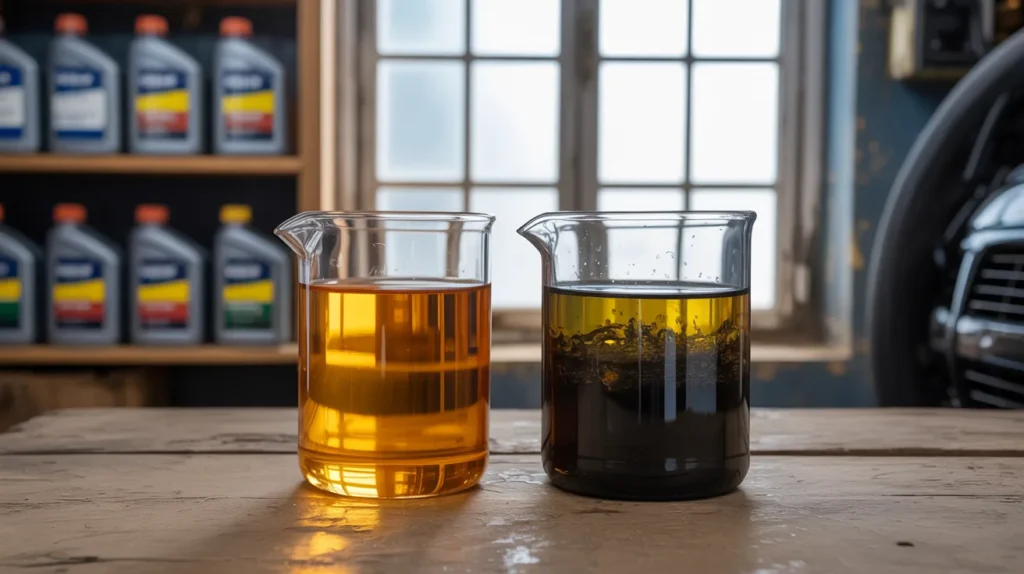
Fresh engine oil is typically clear to light amber and flows smoothly when poured. It should not have a sharp, burnt, or sour smell.
Common expired engine oil symptoms include excessive darkening, cloudiness, unusually thick texture, or a strong odor. These are clear signs that motor oil is bad and may indicate ongoing oil degradation inside the container.
Additive Separation Signs
Over time, certain additives can begin to separate from the base oil. Gently shake the sealed bottle to see if the liquid blends evenly.
If you notice clumps, streaks, or uneven consistency after shaking, the oil may no longer provide proper protection. Severe separation can increase the risk of oil sludge formation once used in an engine.
In short, checking the production date, inspecting appearance and smell, and watching for separation are the most reliable ways to detect bad oil. When in doubt, replacing old oil is always safer than risking engine damage.
Can You Use Expired or Old Unopened Engine Oil?
Is it safe for your engine?
Using old motor oil can be safe if the bottle is unopened, properly stored, and still within the manufacturer’s recommended shelf life—typically 3 to 5 years. In many cases, sealed oil remains stable for several years without major quality loss.
However, if the oil is significantly past its production date, its protective properties may no longer meet original performance standards. That’s why checking the manufacturing date before use is essential.
Performance & Lubrication Risks
Over extended storage periods, oil viscosity breakdown can occur. This means the oil may not maintain its intended thickness under engine heat and pressure.
Reduced lubrication effectiveness can increase internal friction, leading to premature wear. While minor aging may not cause immediate harm, severely degraded oil raises the risk of engine damage from expired oil—especially in modern, tight-tolerance engines.
When It’s Still Okay to Use
If the unopened oil has been stored in a cool, dry place and shows no signs of contamination, separation, or unusual odor, it is often safe to use within the normal shelf-life window.
In short, slightly old but properly stored oil is usually fine. Extremely old or poorly stored oil, however, should be replaced to avoid unnecessary engine risk.
How to Store Engine Oil Properly to Maximize Shelf Life
Ideal Temperature Range
The best temperature for storing engine oil is between 40°F and 85°F (5°C to 30°C). This stable range preserves the oil’s chemical stability and ensures optimal performance.
Extreme heat can accelerate additive breakdown, while freezing temperatures may cause separation inside the bottle. Maintaining a consistent environment helps extend oil shelf life and preserves proper viscosity for reliable engine protection.
Best Storage Location (Garage vs. Indoor)
While a garage may seem convenient, it often experiences extreme temperatures, humidity, and poor ventilation. Sunlight and fluctuating conditions can also degrade oil quality over time.
Indoor storage is the safest option. A dry shelf in a utility room or storage cabinet with a steady temperature protects the oil. Avoid placing containers near windows, heaters, or damp areas to prevent oil contamination.
Keeping the Seal Intact
Always ensure the cap is tightly closed. A secure seal protects oil from dust, moisture, and air exposure, which can compromise its performance.
Store bottles upright to prevent leaks, and only open the container when ready to use. Following these motor oil storage tips helps maintain freshness and keeps the oil ready for use for years.
In short, maintaining stable temperatures, indoor storage, and a tight seal are key to maximizing engine oil shelf life. Proper storage ensures your oil remains effective, clean, and ready to protect your engine whenever needed.
Conclusion: Engine Oil Shelf Life Unopened Explained
Understanding unopened engine oil shelf life is essential for keeping your engine safe and avoiding costly repairs. Most unopened oils remain effective for 3–5 years—longer for synthetics—but proper storage, stable temperature, and a tight seal are key to maintaining quality.
Always check the manufacturing date, inspect the oil for changes in color, smell, or consistency, and follow manufacturer recommendations before using older oil.
Store oil in a cool, dry, indoor location with the cap tightly sealed. When in doubt, it’s safer to replace old oil than risk engine damage. Following these simple steps ensures your engine stays protected and your oil performs as intended.
FAQs
How long does unopened engine oil last?
Most conventional oils last 3–5 years, while full synthetic oils can remain effective for 5 years or more if stored properly in a cool, dry place.
Is it safe to use old, unopened motor oil?
Yes, if the oil is within its recommended shelf life and properly stored, it is generally safe. Always check for changes in color, smell, or consistency before use.
What is the best way to store engine oil?
Store bottles upright, tightly sealed, away from heat, sunlight, and humidity. Proper storage helps extend oil shelf life unopened and prevents contamination.
Can motor oil expire even if unopened?
Yes. Over time, additives in the oil can degrade, reducing protective performance. Even unopened oil can eventually lose effectiveness if stored improperly.
How do synthetic and conventional oils differ in storage life?
Synthetic oils are more chemically stable and resist breakdown longer, while conventional oils may lose additives faster. Proper storage is particularly important for conventional oil to maintain quality.
If you want to find the best spark plugs for your Honda CR-V, this guide covers top options, performance tips, and expert recommendations. Check out the full article here to choose the right spark plugs for your vehicle.
Looking for the best spark plugs for your Honda Accord? This article breaks down the most reliable options, key buying tips, and performance insights. Read the complete guide here to upgrade your car’s ignition system.

