
Introduction
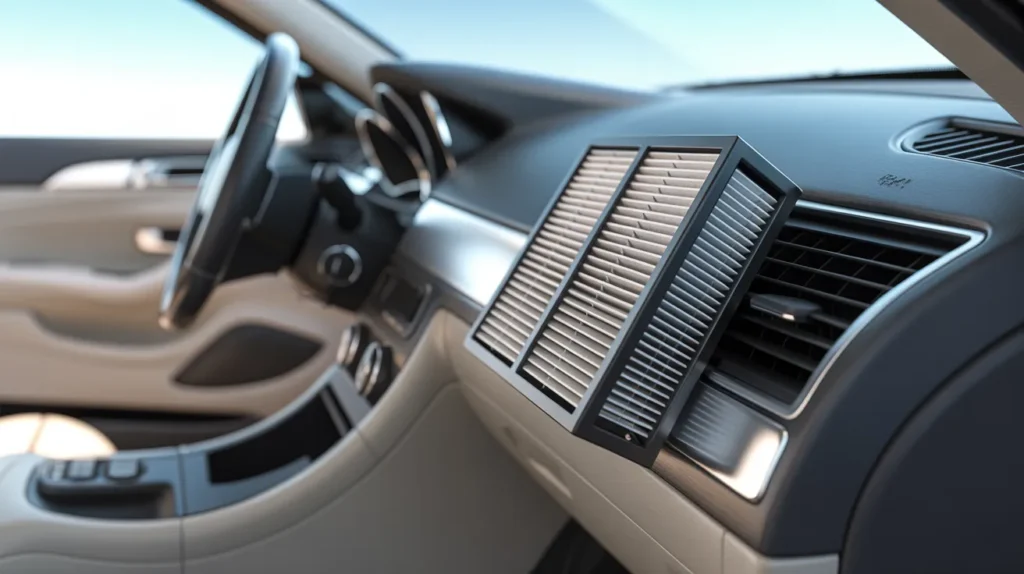
Choosing the best cabin air filter can make a big difference in the air you breathe while driving. Many drivers don’t realize that the air inside a vehicle can actually become more polluted than the air outside, especially when driving in heavy traffic, dusty roads, or urban environments.
Dust, pollen, exhaust fumes, and other airborne particles constantly enter your vehicle’s HVAC system. Without a high-quality cabin air filter, these contaminants circulate through the vents every time you turn on the air conditioner or heater.
A quality cabin air filter helps:
- Improve cabin air quality
- Increase HVAC airflow efficiency
- Reduce unpleasant odors
- Protect passengers from allergens and pollution
After reviewing several popular filters used in vehicles from major manufacturers such as Toyota, Ford, Honda, Subaru, and Lexus, we selected the top options that provide the best combination of filtration, performance, and value.
Below are our expert picks for the best cabin air filters in 2026.
Table of Contents
Quick Recommendations (Top Picks)
| Category | Product | Best For |
|---|---|---|
| Best Overall | Puroma Activated Carbon Cabin Air Filter (2 Pack) | Overall performance and value |
| Best Carbon Filter | FRAM Fresh Breeze Cabin Air Filter | Odor removal |
| Best for Allergies | Bosch 6081C HEPA Cabin Air Filter | Ultra-fine filtration |
| Best Budget | Sezfom Dual Layer HEPA Cabin Filter | Affordable filtration |
| Best Value Replacement | Puroma Cabin Air Filter CP157 | Everyday replacement |
Best Cabin Air Filters (Detailed Reviews)
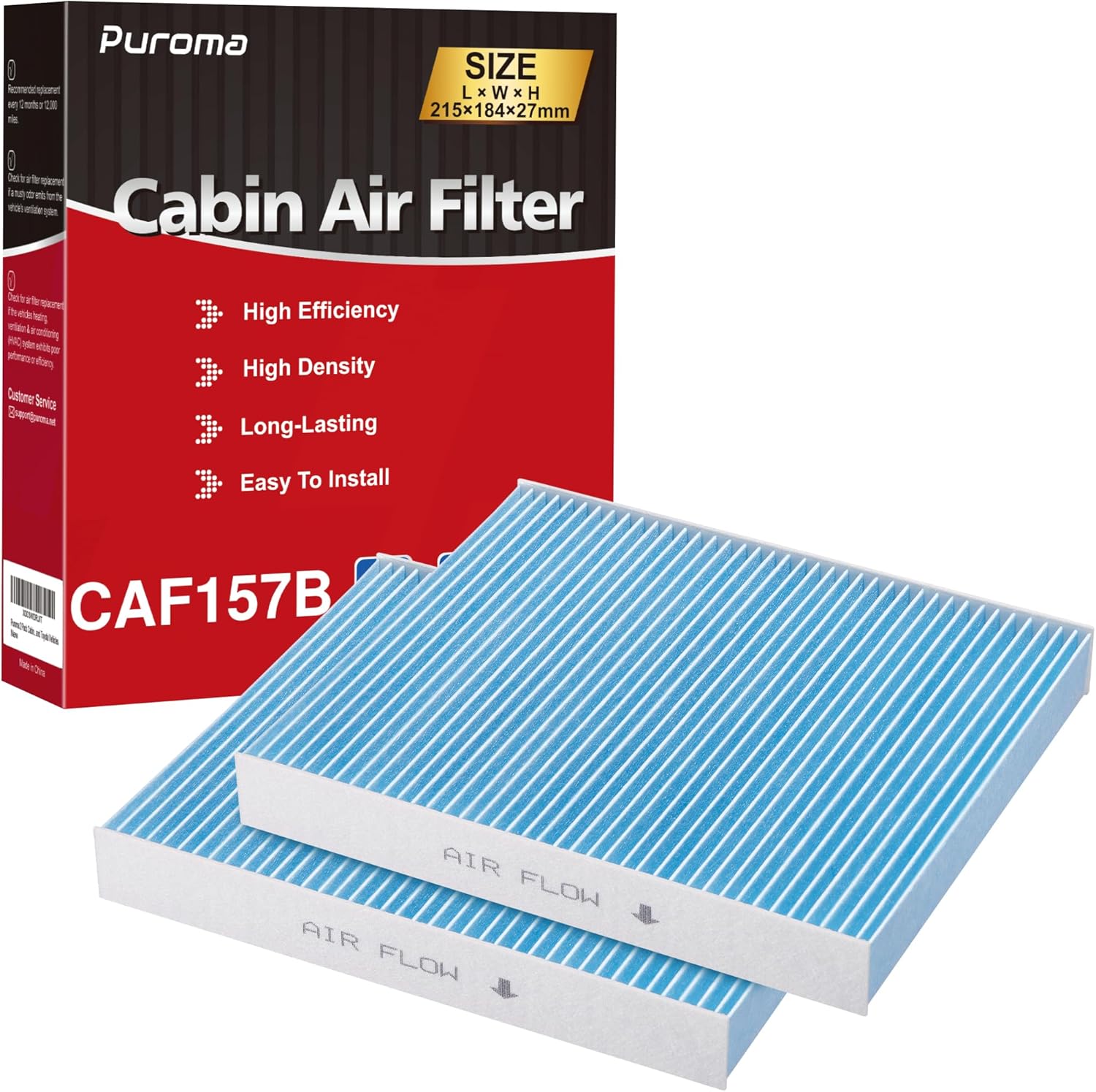
Puroma Activated Carbon Cabin Air Filter (Best Overall)
Key Features
- Activated carbon odor filtration
- Multi-layer filtration media
- Two-pack value option
- Easy DIY installation
This activated carbon filter is one of the best options for drivers looking for a reliable balance between performance and price. It combines multiple filtration layers with activated carbon to remove particles and unpleasant odors from the cabin air.
It is compatible with many popular vehicles, especially models from Toyota, Lexus, Subaru, and Mazda.
Filtration Performance
The filter traps dust, pollen, and road pollutants while also reducing odors from traffic and outside air contamination.
Pros
- Great value for a two-pack
- Improves airflow through the HVAC system
- Wide compatibility with popular vehicles
- Quick installation process
Cons
- Not a true HEPA filter
- Heavy pollution areas may require more frequent replacement
Best For
Drivers are looking for a balanced combination of filtration performance and affordability.
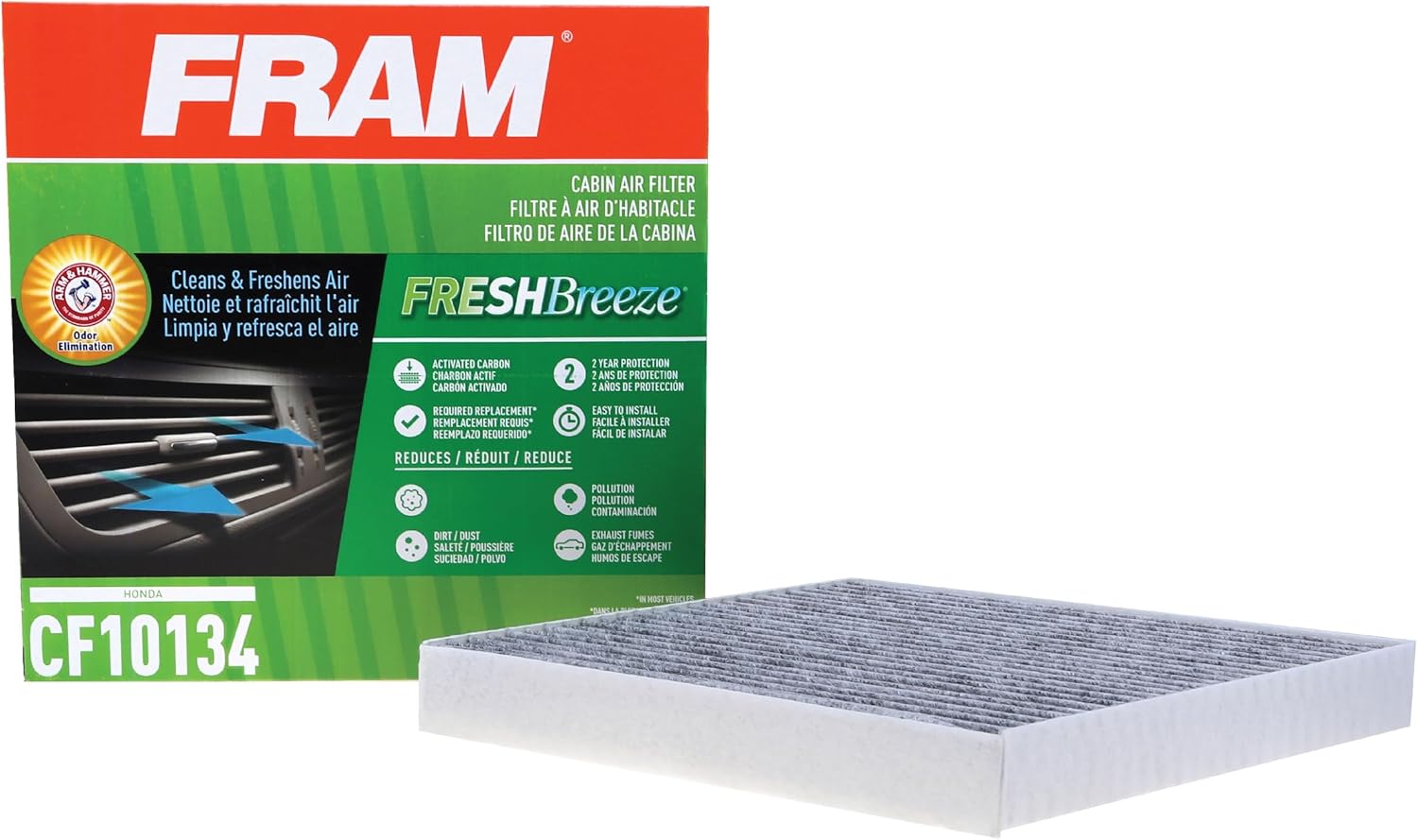
FRAM Fresh Breeze Cabin Air Filter (Best for Odor Removal)
Sub Title
- Carbon and baking soda odor neutralization
- Removes up to 98 percent of airborne contaminants
- Reliable aftermarket brand
This cabin air filter focuses on odor control by combining carbon filtration with baking soda technology. The filter is designed to neutralize unpleasant smells that enter through the vehicle’s ventilation system.
It is commonly used in many Honda and Acura vehicles.
Filtration Performance
This filter performs particularly well in reducing odors from smoke, traffic pollution, and environmental contaminants.
Pros
- Excellent odor control
- Well-known and trusted brand
- Simple installation
Cons
- Slightly more expensive than basic filters
- Not HEPA certified
Best For
Drivers who frequently deal with bad odors or city pollution.
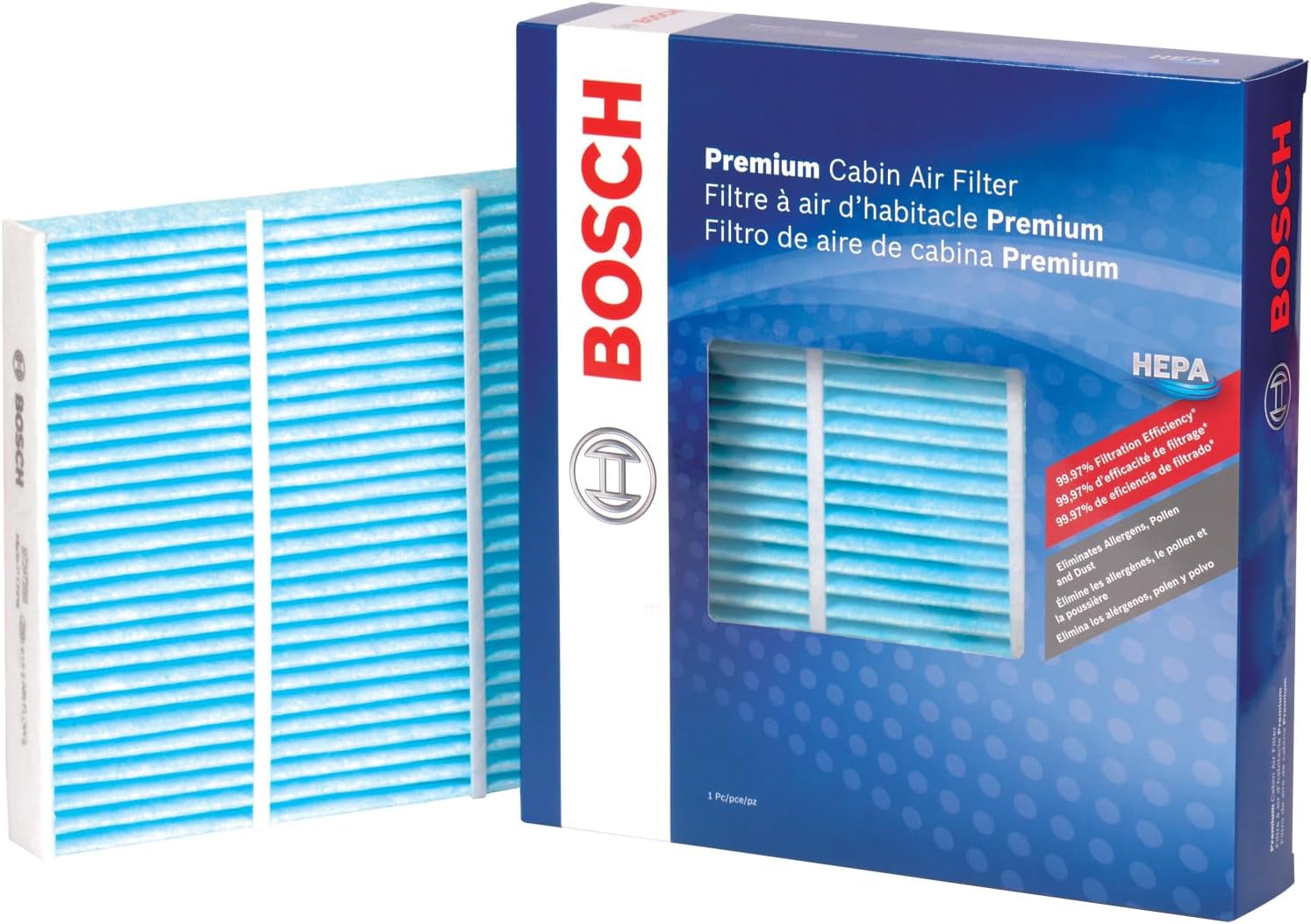
Bosch 6081C HEPA Cabin Air Filter (Best for Allergies)
Key Features
- True HEPA filtration technology
- Electrostatic filter media
- Reinforced filter structure
For drivers who want maximum air filtration, this HEPA cabin air filter is a premium option. It can capture extremely small airborne particles and improve air quality for passengers.
The filter is commonly used in certain Ford trucks and SUVs.
Filtration Performance
It captures microscopic particles such as pollen, dust, and pollution particles, making it ideal for allergy sufferers.
Pros
- Very high filtration efficiency
- Durable and well-engineered design
- Excellent for allergy protection
Cons
- Higher price compared with standard filters
- Limited compatibility depending on vehicle model
Best For
Drivers who want the highest level of air filtration.
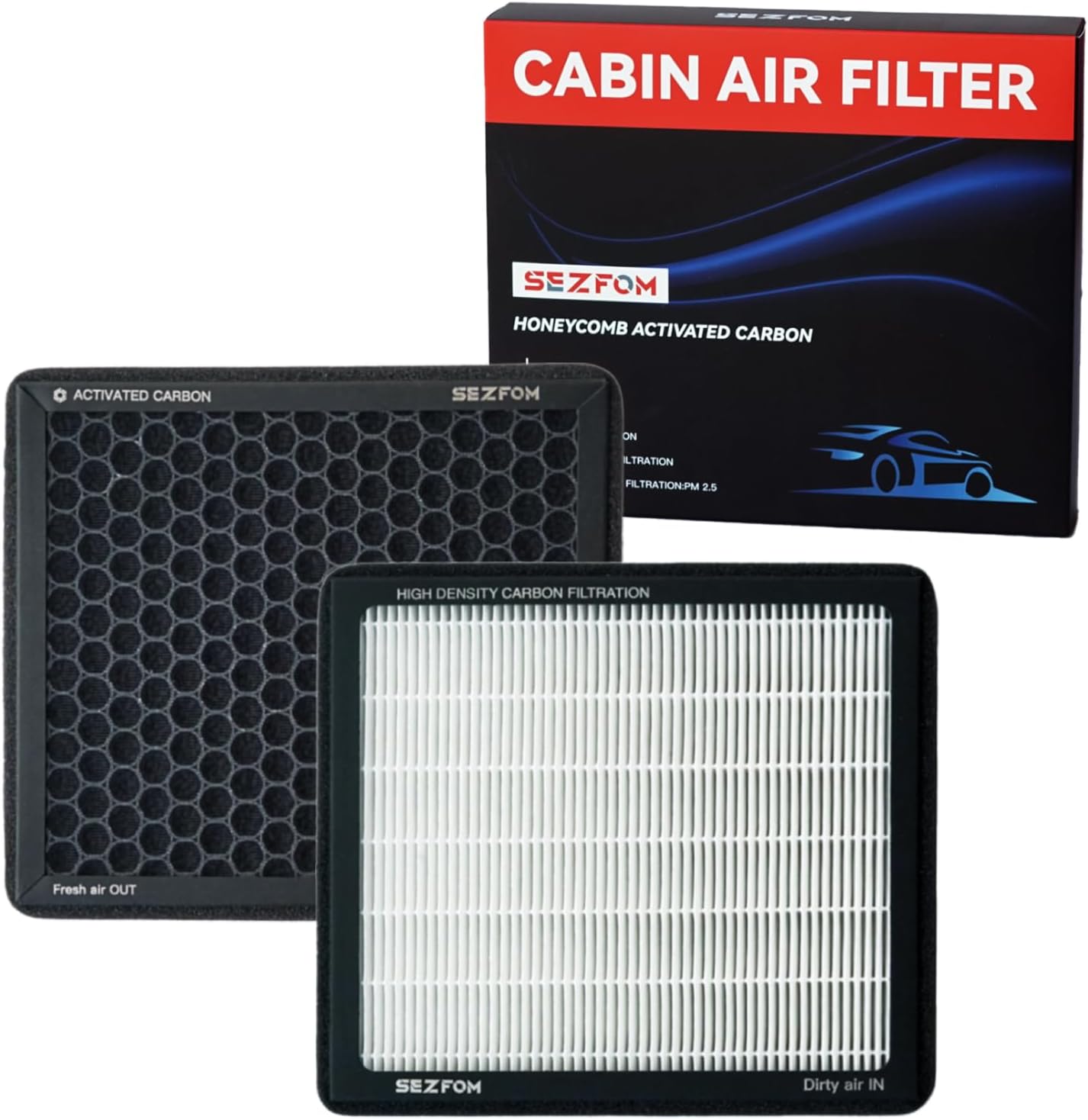
Sezfom Dual Layer HEPA Cabin Air Filter (Best Budget)
Key Features
- Dual-layer HEPA and carbon filtration
- Captures particles as small as 0.3 microns
- Durable frame design
This filter offers impressive filtration performance for an affordable price. It combines HEPA filtration with activated carbon to capture fine particles and reduce odors.
It fits many older Toyota models as well as some vehicles from Lexus and Subaru.
Pros
- Affordable price
- Effective filtration for dust and pollen
- Helps remove unpleasant odors
Cons
- Less well-known brand
- Slightly shorter lifespan compared with premium filters
Best For
Drivers looking for strong filtration performance at a lower price.
Puroma Cabin Air Filter CP157 (Best Value Replacement)
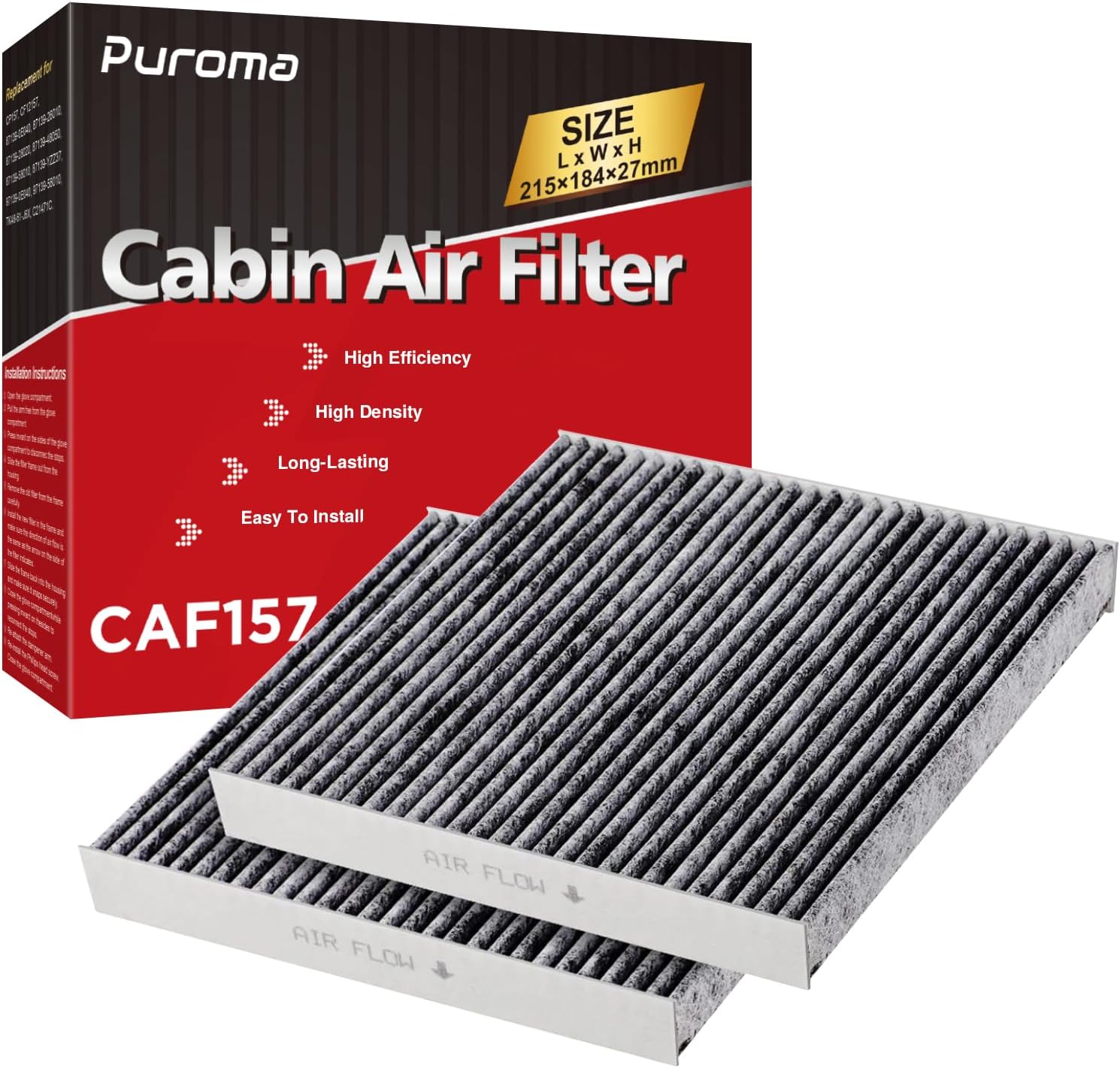
This filter focuses on airflow efficiency and basic particle filtration. It is designed as an affordable replacement option for everyday drivers.
It is compatible with several popular vehicle models.
Pros
- Budget-friendly replacement option
- Improves HVAC airflow
- Wide compatibility
Cons
- Basic filtration compared with carbon or HEPA filters
- Limited odor removal capability
Best For
Drivers need a simple and reliable replacement filter.
Cabin Air Filter Comparison Table
| Filter | Filtration Type | Odor Removal | Lifespan | Best For |
|---|---|---|---|---|
| Puroma Activated Carbon | Carbon and particle filtration | Strong | Around 12 months | Best overall |
| FRAM Fresh Breeze | Carbon and baking soda | Excellent | Around 12 months | Odor removal |
| Bosch 6081C | HEPA filtration | Moderate | 12–15 months | Allergies |
| Sezfom HEPA | HEPA and carbon | Good | 10–12 months | Budget buyers |
| Puroma CP157 | Particle filtration | Basic | Around 12 months | Value replacement |
Buyer’s Guide: How to Choose the Best Cabin Air Filter
Types of Cabin Air Filters
Particulate Filters
These filters remove large particles such as dust and pollen. They are the most widely used and budget-friendly option.
Activated Carbon Filters
Carbon filters are made to absorb odors and harmful gases. They are useful for drivers in urban areas with heavy traffic pollution.
HEPA Cabin Filters
HEPA filters provide the highest level of filtration and can capture extremely small particles, including allergens and pollution.
Signs Your Cabin Air Filter Needs Replacement
Some common warning signs include:
- Weak airflow from the vents
- Musty or unpleasant odors inside the vehicle
- Increased dust on interior surfaces
- Allergy symptoms while driving
How Often Do You Need to Change the Cabin Air Filter?
Vehicle manufacturers typically advise replacing the cabin air filter every:
12,000 to 15,000 miles or once per year
Drivers in areas with heavy dust or pollution may have to replace their cabin air filter more regularly.
How to Install a Cabin Air Filter
For many vehicles, the cabin air filter sits behind the glove box.
Basic installation steps:
- Open the glove compartment.
- Remove the access cover behind it.
- Slide out the old filter.
- Install the replacement filter according to the direction indicated by the airflow arrows.
- Put the cover back in place and close the glove box.
The process usually takes 10 to 15 minutes.
Common Mistakes When Buying Cabin Air Filters
Avoid these usual missteps when deciding on a filter:
- Ignoring vehicle compatibility
- Choosing the cheapest filter without checking quality
- Forgetting the replacement schedule
- Installing the filter backward, opposite to the airflow
FAQs About the Best Cabin Air Filter
What does a cabin air filter do?
A cabin air filter traps dust, pollen, and other airborne particles before they enter your car’s interior through the ventilation system.
When is it time to change your cabin air filter?
Most drivers should replace it every 12 months or approximately every 12,000 to 15,000 miles.
Are expensive cabin air filters worth it?
Premium filters often provide better filtration, improved airflow, and longer lifespan, which can improve overall air quality inside the vehicle.
Can a clogged cabin air filter reduce AC efficiency?
Yes. A clogged filter can reduce airflow and make the air conditioning system work harder, which can lower cooling performance
What happens if you don’t replace the cabin air filter?
A dirty cabin air filter can lead to reduced airflow, poor air quality, unpleasant odors, and extra stress on your vehicle’s HVAC system.
A cabin air filter traps dust, pollen, and other airborne particles before they enter your car’s interior through the ventilation system.
If you’re looking for a compact cleaning solution with strong filtration, check out our detailed guide on the best handheld vacuum with a HEPA filter to keep your car interior dust-free and fresh. Read the full article here:
Planning long road trips or need a reliable way to keep food and drinks cool in your vehicle? Take a look at our guide on the best portable fridge for car with battery for the top options available. Explore the full article here:

