Introduction
If you’ve ever stood in the auto aisle wondering is fully synthetic oil worth it, you’re not alone. With so many oil options, confusing labels, and different prices, choosing the right one for your car can feel overwhelming. Picking the wrong oil may lead to more frequent oil changes, reduced engine life, or unnecessary expense.
This guide clears the confusion by explaining the differences between fully synthetic and regular oil, their pros and cons, and how the cost compares to long-term value. By the end, you’ll know when fully synthetic oil makes sense for your vehicle—and when it doesn’t.
Table of Contents
What Is Fully Synthetic Oil
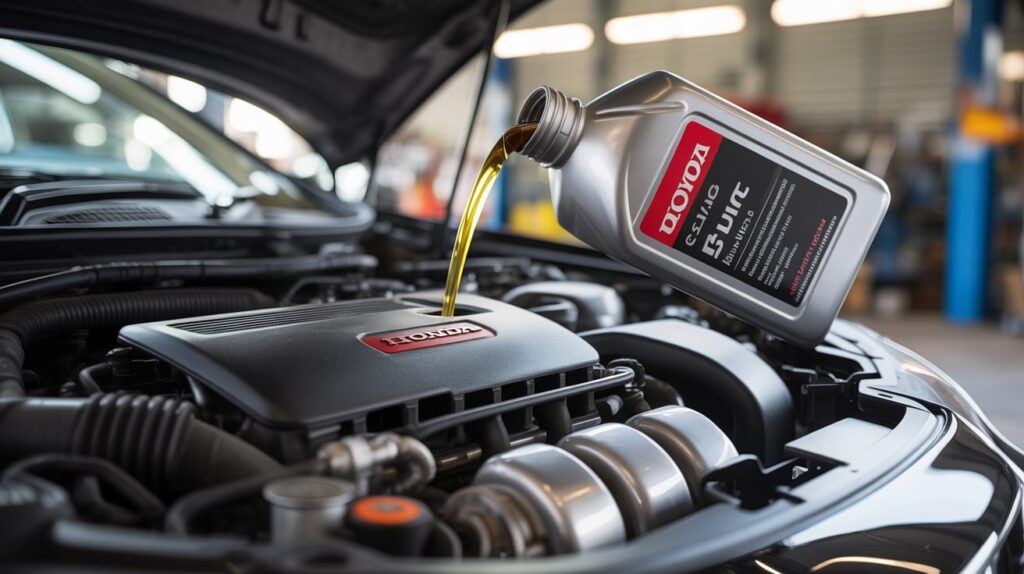
Fully synthetic oil is a type of engine oil that is manufactured in controlled conditions rather than being directly refined from crude oil. This process makes the oil cleaner, more consistent, and better suited for modern engines. Because it is precisely engineered, fully synthetic oil performs reliably in both extreme heat and cold starts.
The biggest difference compared to regular oil is stability. Conventional oil can break down faster under high temperatures and engine stress, while synthetic engine oil is designed to resist thinning, thickening, and sludge buildup. Fully synthetic oil exists because today’s engines run hotter, have tighter internal parts, and demand better lubrication. By flowing smoothly, reducing wear, and keeping engines cleaner, it helps solve common issues like rough cold starts, faster oil breakdown, and long-term engine damage.
Benefits of Fully Synthetic Oil
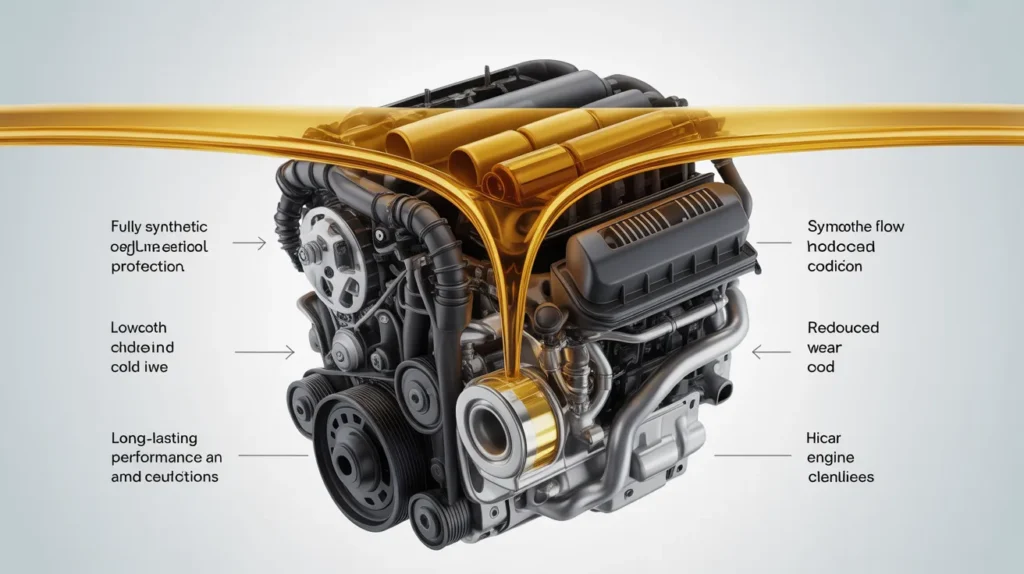
One of the biggest advantages of fully synthetic oil is how effectively it protects your engine during everyday driving. It forms a strong, reliable layer between moving parts, which helps reduce friction and slow down wear over time. This is especially useful for drivers who deal with traffic, take frequent short trips, or plan to keep their vehicle for the long term.
Another major benefit is consistent performance in all weather conditions. From cold mornings to long drives in hot temperatures, the oil continues to flow smoothly without becoming too thick or too thin. Fully synthetic oil also helps keep engines cleaner by resisting sludge and deposit buildup that can reduce performance.
Because it lasts longer than regular oil, oil changes are often needed less frequently. These practical advantages are why many drivers consider fully synthetic oil a smart choice for long-term engine care.
Pros & Cons of Fully Synthetic Oil
Pros:
- Provides longer engine protection and extends oil life
- Maintains consistent performance in hot and cold conditions
- Keeps engines cleaner and reduces sludge buildup
- Requires fewer oil changes, saving time and effort
- Improves overall engine efficiency and smoothness
Cons:
- Higher upfront cost compared to regular oil
- May not provide significant benefits for older engines with leaks or wear
- Sometimes unnecessary for occasional drivers or low-mileage vehicles
- Some car owners prefer sticking to the manufacturer’s traditional recommendations
Fully Synthetic Oil vs Regular Oil
When comparing fully synthetic oil and regular oil for everyday driving, the most noticeable difference is consistency. Synthetic oil maintains smooth performance in stop-and-go traffic, highway speeds, and short trips, while regular oil can be more affected as driving conditions change. This doesn’t make regular oil a bad choice—it simply suits lighter, less demanding use.
Oil life is another clear difference. Synthetic oil generally lasts longer before breaking down, which allows for a longer oil change interval. Regular oil needs to be changed more frequently to maintain engine cleanliness and protection.
Price is where regular oil seems more attractive upfront, as each oil change costs less. However, because synthetic oil lasts longer and delivers steadier performance, many drivers find it offers better overall value over time. This balance of cost and performance is why the synthetic vs regular oil debate matters to so many car owners.
Is Fully Synthetic Oil Worth It for Daily & Old Cars
For most drivers, fully synthetic oil is a practical choice for daily driving because it handles frequent starts, stop-and-go traffic, and mixed road conditions more smoothly than regular oil. If you rely on your car every day and want steady performance with fewer concerns between oil changes, synthetic oil can make life easier.
For older engines, some people worry that it may cause leaks or other issues. In reality, a well-maintained older engine usually runs fine on synthetic oil, especially if it’s already in good condition. However, if the engine has existing leaks, burns oil, or has always used regular oil without problems, switching may not provide significant benefits.
Synthetic oil may not be worth it for occasional short trips, very high-mileage engines with wear problems, or if keeping upfront costs low is a priority. Considering these factors can help you decide if fully synthetic oil is the right choice for your car.
Cost vs Value of Fully Synthetic Oil
At first glance, the synthetic oil cost is higher than that of regular oil, which can make it seem like an unnecessary expense. A standard oil change with regular oil is cheaper, so many drivers focus only on the upfront price. However, cost and value aren’t always the same.
Fully synthetic oil typically lasts longer, meaning you don’t need oil changes as often. This can reduce the number of service visits each year, saving both time and labor costs. It also helps the engine run smoothly and stay cleaner, which may lower wear and reduce the risk of future problems.
When considering the bigger picture, the long-term value often outweighs the higher initial cost. Spending a bit more upfront can result in fewer oil changes, less engine stress, and more predictable maintenance—key factors in deciding if fully synthetic oil is worth it.
Conclusion
Fully synthetic oil provides better engine protection and longer-lasting performance compared to regular oil, though it comes at a higher upfront cost. It is usually worth it for daily drivers, newer cars, or anyone who wants smoother performance and fewer oil changes. Its stability in all temperatures and resistance to sludge help keep engines cleaner over time.
However, for occasional drivers, older cars with wear issues, or those focused on low upfront cost, regular oil may still be sufficient. Ultimately, whether fully synthetic oil is worth it depends on your driving habits, vehicle condition, and how long you plan to keep your car. Considering both cost and long-term benefits will help you make the best choice.
FAQs: Is Fully Synthetic Oil Worth It?
1. What is the main benefit of fully synthetic oil over regular oil?
It lasts longer, protects the engine more effectively, and maintains consistent performance across all driving conditions.
2. Is fully synthetic oil worth it despite its higher cost?
For most drivers, yes. Fewer oil changes, better engine protection, and smoother performance often justify the higher upfront price.
3. Can older or high-mileage cars use fully synthetic oil?
Yes, if the engine is in good condition. Cars with leaks or excessive oil consumption may not see significant benefits.
4. Does driving style affect its value?
Absolutely. Daily driving, heavy traffic, highway use, and extreme weather benefit more than occasional short trips.
5. How often should synthetic oil be changed?
Typically, less frequently than regular oil, but always follow the car manufacturer’s recommended schedule.
Best Engine Oil for Honda Civic
Looking for the right engine oil for your Honda Civic? This guide breaks down the best options, their benefits, and what to consider for optimal engine performance. If you want to keep your Civic running smoothly and avoid costly issues, check out this article for all the details.
Best High-Mileage Oil 5W-30
Need the best 5W-30 oil for high-mileage cars? This article reviews top options that help protect older engines, reduce wear, and keep your vehicle performing well. If you want tips on choosing the right oil for long-lasting engine health, this guide is a must-read.